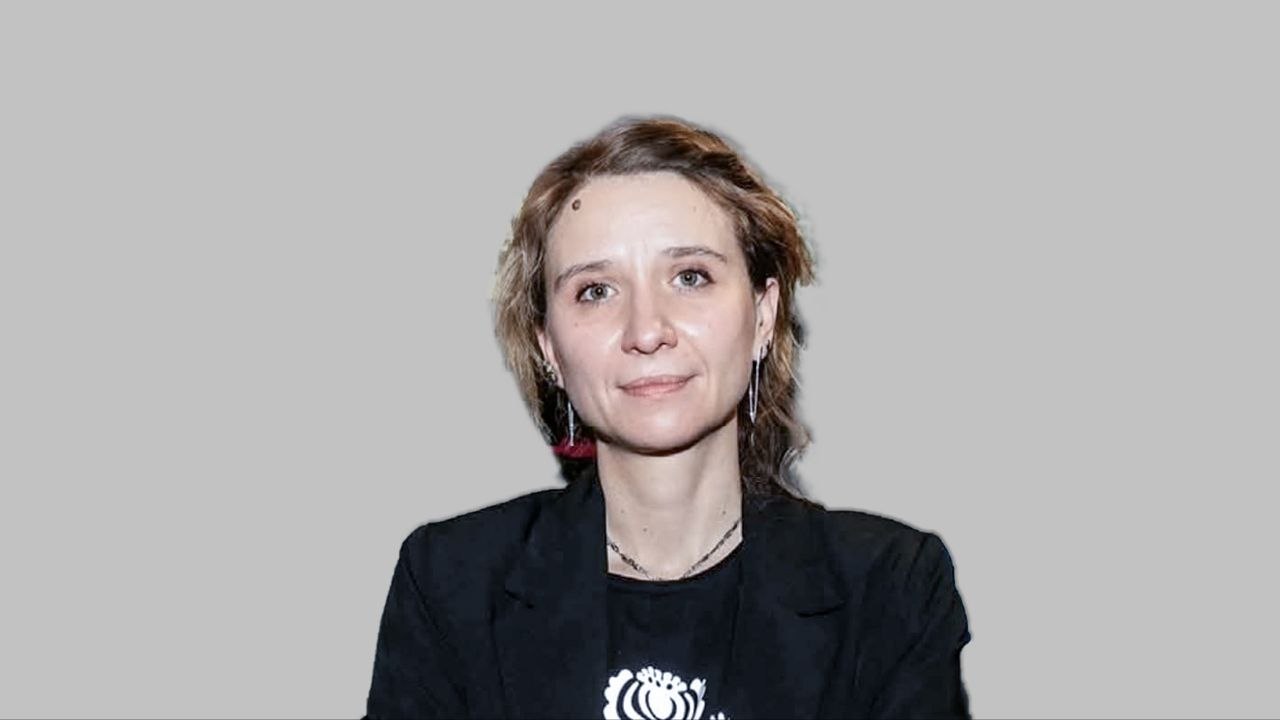
“No One Is Going to Win This War for Ukraine Except Ukraine Itself” — Elliott Ackerman
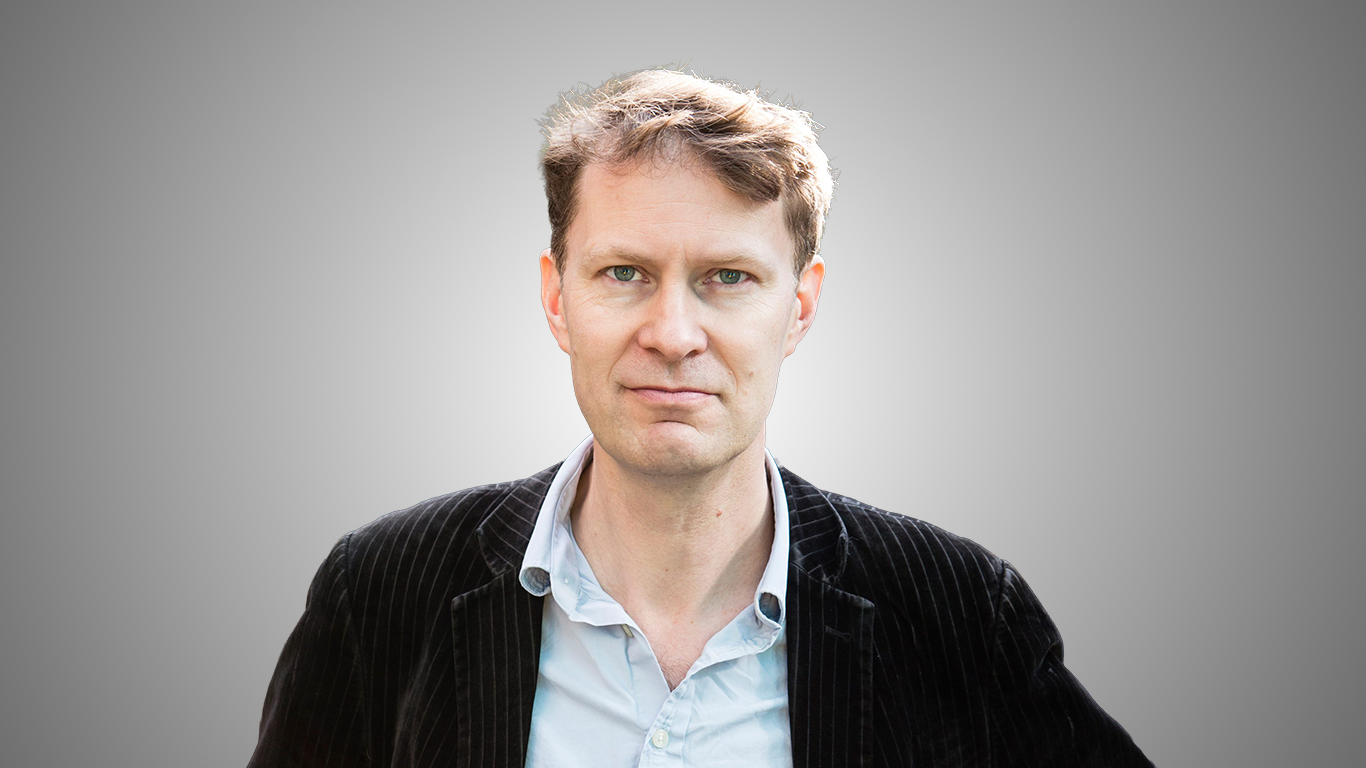
American veteran, writer and military analyst Elliott Ackerman examines wars not merely as clashes between armies, but as tests of political systems and societies. Russia’s war against Ukraine has exposed weaknesses in the established military architecture: bureaucratic systems are struggling to keep pace with technological change, and military superiority alone no longer guarantees victory. At the same time, the world order that took shape after the Second World War is changing, while the United States is increasingly retreating from its role as a global leader.
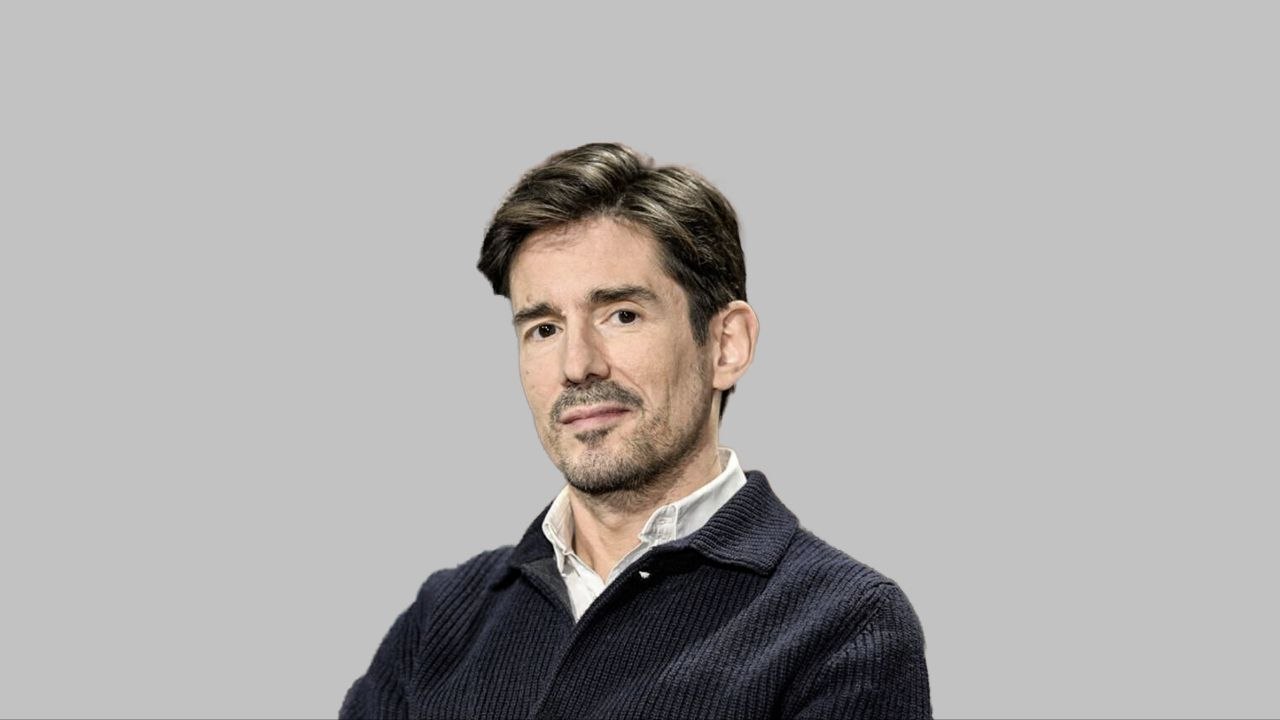
On the podcast When Everything Matters, journalist Nataliya Gumenyuk speaks with Ackerman about the limits of American military power, Russia’s terror campaign against Ukrainian civilians, and the dangers of relying on private corporations for defence technology. They also discuss the differences between the experiences of American and Ukrainian veterans, why US foreign policy is becoming less consistent, and what enables Ukraine to withstand shifting levels of international support.


Elliott, it’s a real pleasure to speak with you. I have so many questions on different topics, but let me start here. I’ve been reading your articles about Russia’s war against Ukraine since 2022, as well as your earlier work. I’m currently at an international security forum in Davos. Traditionally, the US presence here has been very prominent. There are always plenty of American representatives in the Gulf countries. But this time, there are hardly any, and representatives from the Middle East are mostly discussing how to operate without America. That is highly unusual for the region.
I was listening to a panel featuring the Chief of the General Staff of the British Army and Qatar’s defence minister. They were talking about drones. The British general described a command-and-control centre — essentially an equivalent of Ukraine’s Delta system — and stressed how important it was. The Qatari minister also mentioned Ukrainian systems. Of course, there are limits to how openly they can praise Ukraine, but they did so.
In your articles from 2022, I also came across warnings about whether the US armed forces would be able to adapt to the new conditions in time. You wrote a great deal about the decline of industrial manufacturing in the United States. And now it is striking to see how little the US seems to have learned from this war. Is that just my impression, or are the Americans genuinely failing to recognise something important?
I think the US is falling behind not so much in specific technologies as in the architecture of the system itself — particularly government defence procurement and its approach to innovation. After the Second World War, we built a military-industrial complex that worked extremely well with long-term programmes and the gradual development of existing technologies. That system helped make the United States a global security leader.
But it cannot adapt quickly enough to the conditions of high-intensity warfare and the rapid emergence of new technologies. It needs a fundamental overhaul. When I talk about this in the US, nobody disagrees. Most people readily acknowledge that our procurement and innovation systems are too slow and cumbersome, and that this has become one of our greatest weaknesses.
This is a typical problem with enormous government bureaucracies, and nobody knows how to fix it. There are people capable of leading change, but the processes move far too slowly. Often, the only thing that can get such a behemoth moving is a crisis. But nobody wants a crisis to happen.
That is how I see the current debate about national defence in the United States. Of course, we have brilliant innovative companies and initiatives. But the American military machine is so cumbersome that it simply cannot implement innovation at the speed and scale Ukraine has demonstrated over the past two or three years.
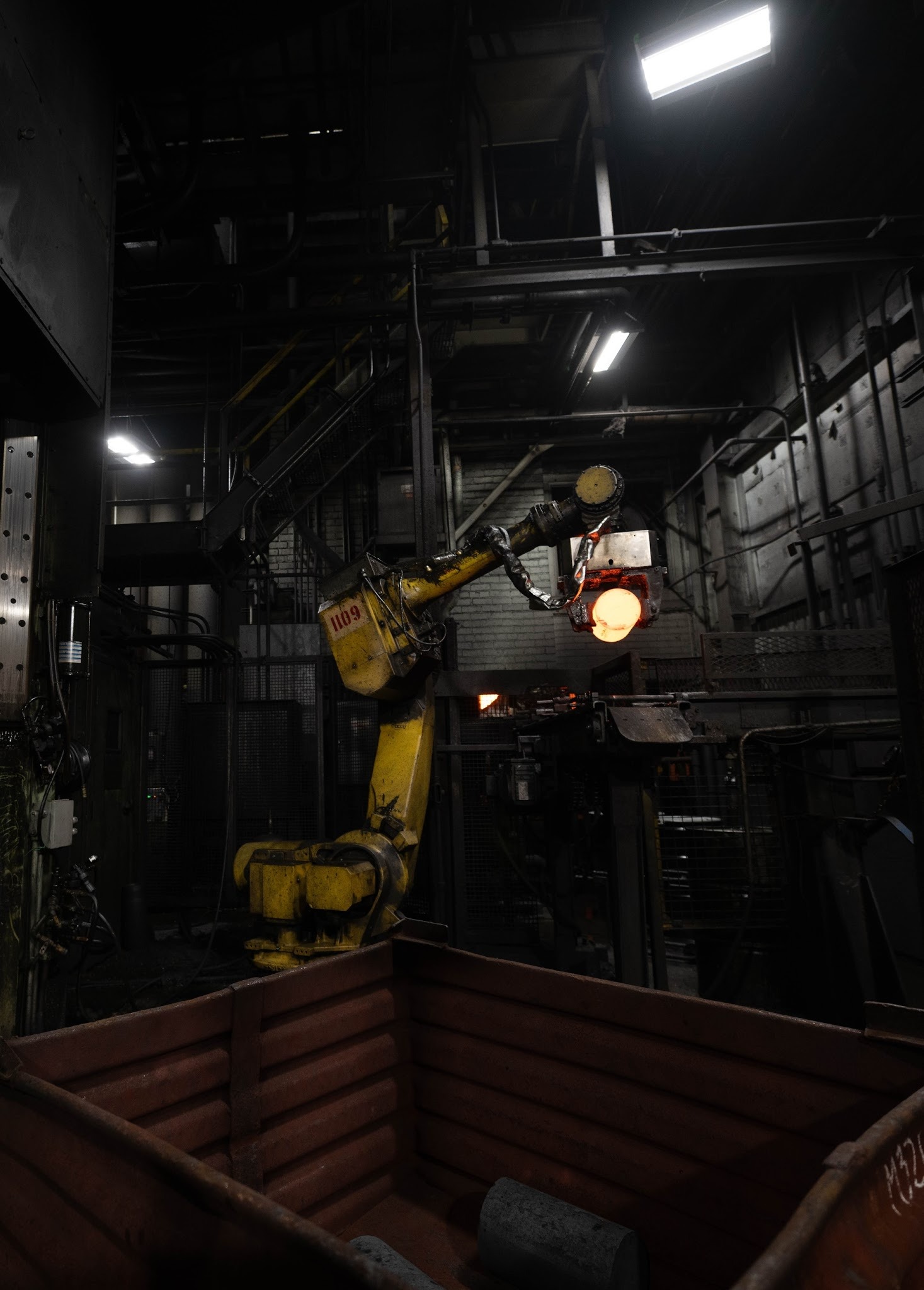
I was looking back at our 2015 interview, recorded in Lviv. It is interesting to remember its headline: “ISIS Is Very Effective at Using New Technologies.” We began that conversation with the idea that if you have a hammer in the United States, every problem looks like a nail. Looking back at those words today is almost unsettling.
We are at a very particular political moment, and the situation has changed fundamentally. Ukraine is, in effect, no longer counting on the US to remain its principal ally and provide military assistance on the scale it once did. Over the past two years, that has become a reality. But we were not prepared for the United States to start actively constraining Ukrainian advances on the battlefield or obstructing certain forms of assistance, as it has in recent weeks.
Can you explain how this mechanism works? On the one hand, there is politics — the president, the midterm elections. On the other, there is an enormous military system that once seemed to function independently of politics. How should we understand the situation now? Is there a way to make developments on the battlefield less dependent on day-to-day political shifts?
When I analyse wars, I see one thing that people in the United States often overlook. We tend to think that if a conflict breaks out, we have the strongest army in the world, so we will win. Think of Iran or Iraq: our reasoning has always relied primarily on military might.
But we forget an old truth: the strongest army does not guarantee victory. War is a continuation of politics. If your military instruments do not match your political objectives, it does not matter how sophisticated they are — you will not achieve the outcome you want.
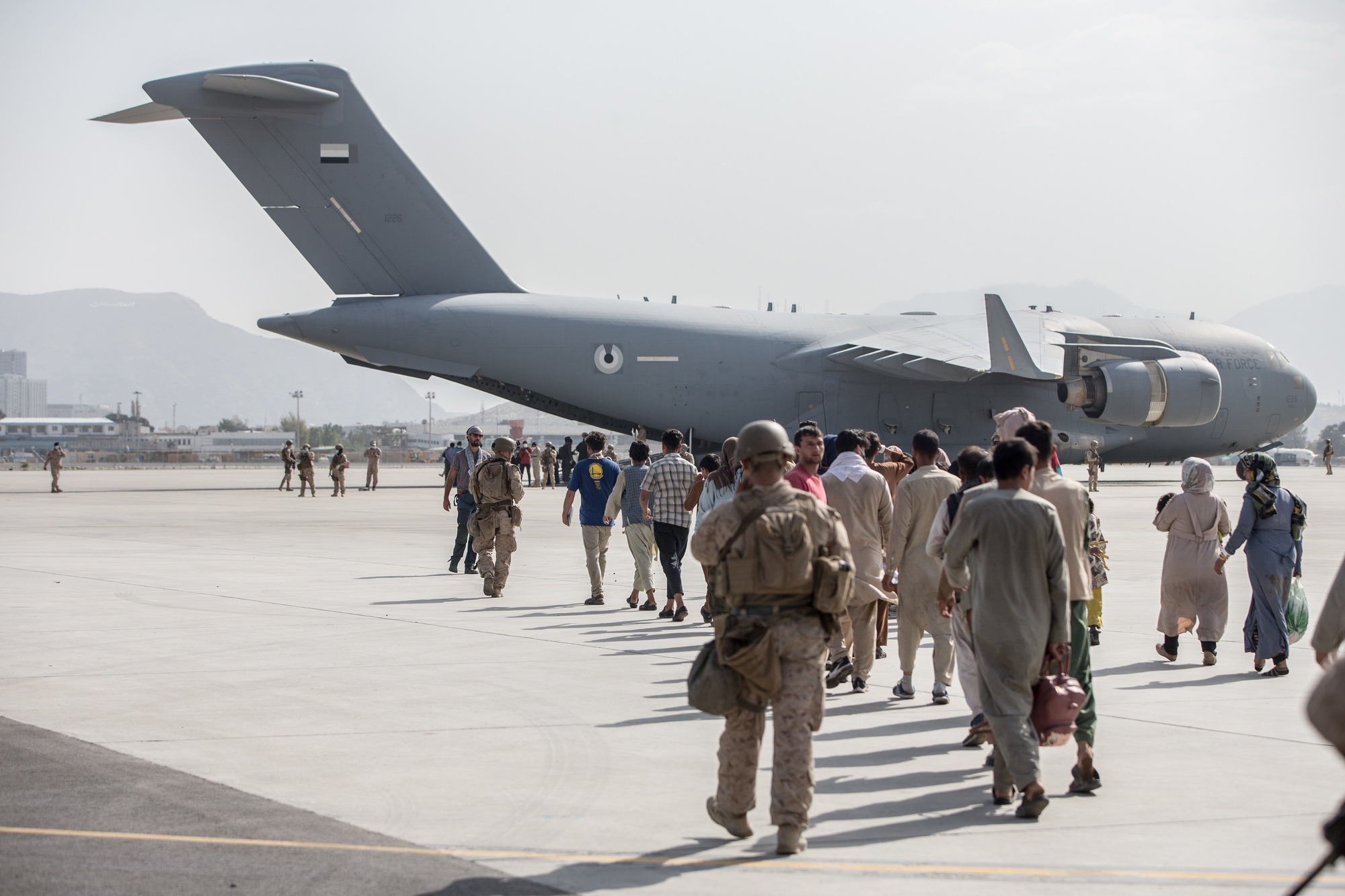
That is why, in 2014, the Islamic State was able to advance to within roughly 15 kilometres of Baghdad and push back the Iraqi army, into which we had invested resources for years. The same thing happened in Afghanistan. The Taliban captured Kabul in 2021 not because the US military was weak, but because once the US announced its withdrawal, the Afghan government’s political will to resist simply evaporated.
Every war has a political dimension, and this applies directly to Ukraine. In February 2022, practically the entire world underestimated the Ukrainians, assuming you would not withstand the Russian war machine. I am no prophet, but after my earlier trips to Ukraine, I told my friends, “I wouldn’t be so sure.” I had come away with two impressions: Ukrainians are extraordinarily resilient, and they really do dislike Russians. I remembered that you had already resisted in Crimea, and I doubted that Russia was in for an easy ride. That is how things turned out.
Despite its enormous advantage in resources and weapons, Russia has failed to achieve its objectives. So the problem with the American military is not that it is bad at fighting. On the contrary, it is still exceptionally good at tasks such as destroying a target or defeating an enemy force. But that may not be enough to win a war.
You need to make greater use of asymmetric approaches and have political leaders who can set realistic objectives. That is where the US has problems. The world is watching our wars in Iran, Afghanistan and Iraq. Yes, there were military miscalculations, but the fundamental problem was poor political leadership. We simply never had a strategy that would have allowed us to win those wars.
How would you assess the strategies of Russia and Ukraine, and how this war has changed, particularly over the past few years? You were recently in Ukraine, and back in 2024 you wrote extensively about the development of drone technology. I ask in part because I think Ukraine is doing quite well. Yet the myth that a smaller country cannot defeat Russia — that it has virtually no chance — remains deeply entrenched around the world.
I would start with the fundamentals. When analysing a war, the first thing to understand is this: if victory is a matter of existence for one side, if it faces a choice between “victory or death” or “winning or leaving your children in slavery”, then it will fight with everything it has.
If the war is existential for one side — and I am convinced that this is the case for Ukraine — while the other side has chosen to fight it, rather than fighting for its own survival, and calls it some kind of “special military operation”, there is a fundamental imbalance. No matter how enormous the second side’s military power may be, it will find it extraordinarily difficult to defeat people for whom losing would mean losing their right to exist.
In other words, when total war meets a limited war, the side for which the war is total usually wins. History repeatedly demonstrates this. Ukraine is far from the only example. Consider the US experience in Vietnam. For Vietnamese nationalists, it was a struggle for survival; for America, it was a war we had simply chosen to enter. That is why, even though we dropped more bombs on Vietnam than we had during the entire Second World War, we still failed to win. Our enormous military superiority did not prove decisive because the political conditions for victory simply were not there. We could not achieve our objectives through political means.
Why, then, does the myth of Russian military might remain so powerful? I find it astonishing.
I think it is because people do not understand the nature of war and do not know history. If you do not look to the past and analyse how people acted in similar circumstances, reality can seem completely illogical. When two countries go to war, the simplest conclusion is that the one with the stronger army will win. But things are much more complicated. Better weapons and military power are important factors, of course, but political advantages matter just as much.
I have spent time in Ukraine and have friends there. It is extremely difficult for me to imagine a world in which Russia completely absorbs Ukraine, occupies Kyiv, and peace simply follows. Based on everything I have seen, that will never happen.
But that is precisely what Russia wanted from the beginning. That was its enormous political miscalculation. If we look at Vietnam or Iraq, we see similarly monumental mistakes. The issue is not military strength but politics above all.
As for US policy, I think the Biden and Trump administrations share one characteristic: I do not believe either of them ever truly wanted Ukraine to win. Both administrations were deeply afraid of the possibility of a Ukrainian victory.
But what does victory actually mean? It is a very ambiguous concept. Perhaps it means destabilising the Russian regime to the point where it can no longer continue the war. Yet that scenario terrified both administrations. What would happen to the world? What if Russia descended into chaos?
Washington understood perfectly well that, even if this war was not a question of survival for Russian society, it had become exactly that for Putin. He cannot lose the war and remain in power, so he is now fighting for everything he has.
But cynicism often prevails in American politics. We are quite prepared to tolerate a genuine monster in power if it guarantees regional stability. Under Biden, much of the caution at the beginning of the full-scale invasion was driven by Putin’s threats to use nuclear weapons. Who knows whether Biden himself believed those threats, but at a moment when Ukraine desperately needed help, we did not act as decisively as we could have. To a large extent, this was because of fear within the administration: what would happen if Putin’s regime fell and chaos spread across Europe?
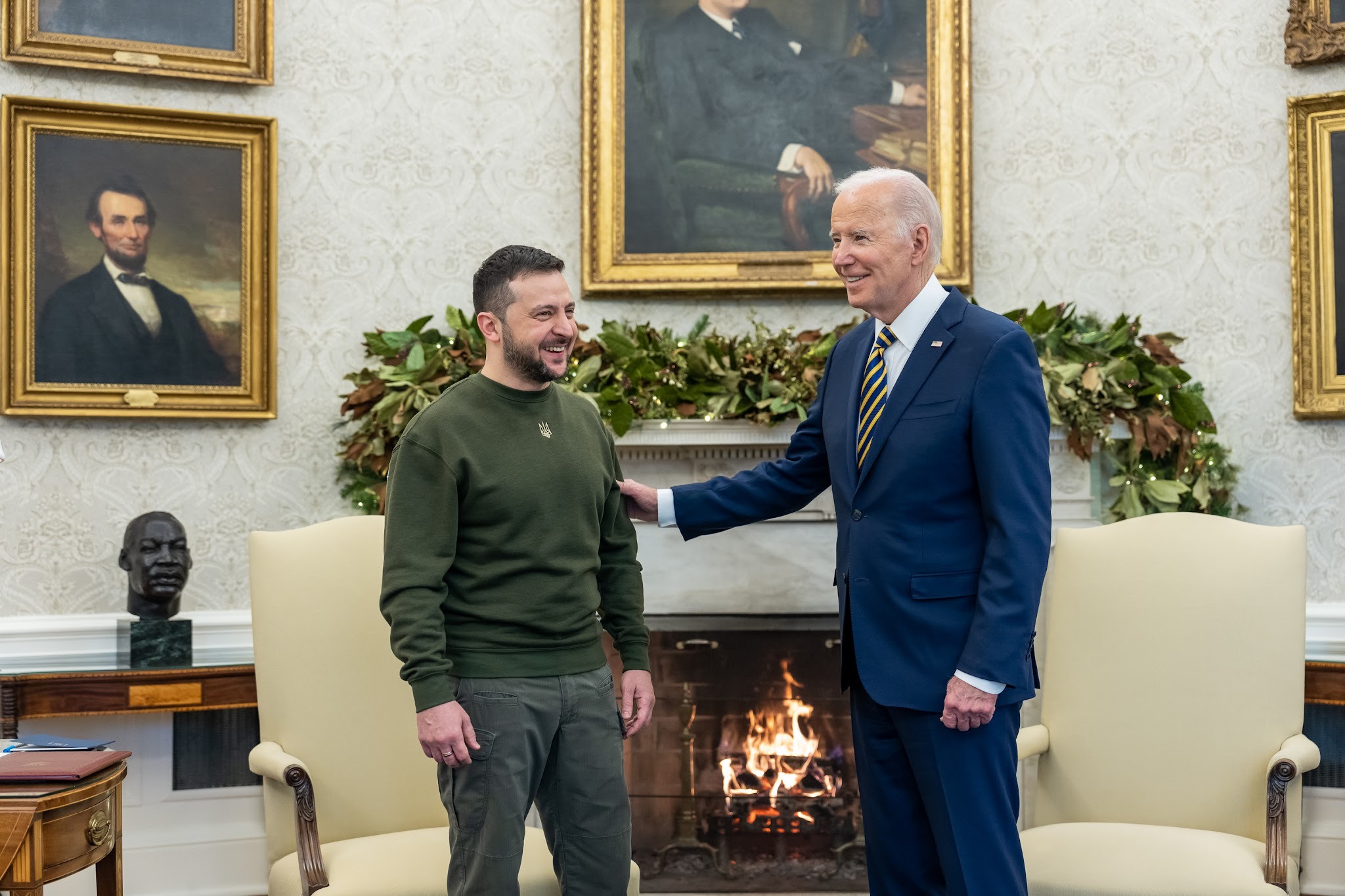
As for the Trump administration, he is acting with extreme cynicism, trying to extract as much as possible from Putin. I think he sees this confrontation as a tool for obtaining concessions from Kyiv and Moscow in turn, playing this game endlessly. Well, war is a dirty business.
So far, it does not look as though he has managed to extract any concessions from Russia.
Well, he is getting his diesel fuel. That is what I mean when I talk about concessions. He is negotiating fuel supplies to bring prices down in the United States for a few months, just ahead of the midterm elections. Perhaps he hopes this will help him limit his political losses.
Most Americans do not pay much attention to geopolitics. They look at diesel prices, and that is all they care about. Again, this is a very cynical approach to politics.
I want to talk about the terror tactics Russia is using. In one of your articles, you mentioned the Battle of Stalingrad and quoted Vasily Grossman, who wrote that what ultimately remained of the German army was shameless banditry and large-scale atrocities. That sounds very much like the way the Russians are fighting.
Ukraine has now partly regained the strategic initiative, and the Russians have been losing some ground on the battlefield. At the same time, Russia is resorting to outright terror against civilians. On the day we are speaking, a Russian missile destroyed a metro station near my home. The strikes on Kyiv increasingly resemble terrorist attacks. Sometimes the targets are data centres or drone manufacturing facilities, but above all, these attacks seem designed to put pressure on civilians, undermine Ukrainians’ will to resist and create the impression that Ukraine is on the verge of collapse. Perhaps Russia is trying to exploit a window of opportunity before the US elections.
But these actions do not give Russia a military advantage! Destroying a metro station is simply an act of organised brutality. And yet I can see that this terror strategy works to some extent. How do you explain that? Are these attacks really pointless, serving only to multiply the tragedy?
When we met in Kyiv last month, I was struck by the feeling that the city was under an even tighter siege. The shelling, the missiles, and then the attack on a train just as a diplomatic delegation was getting off it… I wrote an article arguing that these attacks were a sign of Russia’s crisis.
People commented: “That’s nonsense! They’re shooting at you, and you think that means they’re weak? Surely it shows how strong they are!” I replied, “No. It is precisely a sign of weakness.”
If we look at history and consider great conquerors such as Alexander the Great, we see a very different approach. After defeating Darius, Alexander entered Babylon and began building up the conquered kingdom, showing mercy to those he had defeated. He understood that the war was over and that it was now time to establish peace and move forward. Something similar can be said of Napoleon: despite his bloody wars, he was an outstanding organiser of state power.
When you are winning and believe you are about to conquer another people, you understand that you will have to coexist with them after the conquest. That is why I see Russian terror against civilians as the hysteria of a regime behaving like an angry child. The Russians understand that the war is approaching a decisive point, and the outcome is by no means guaranteed to favour them.
It may seem illogical, but these strikes are driven by the desperation of Putin’s regime, which the war continues to exhaust. Historically, a leader on the verge of actually conquering another people behaves differently — often showing mercy even to those he intends to subjugate.
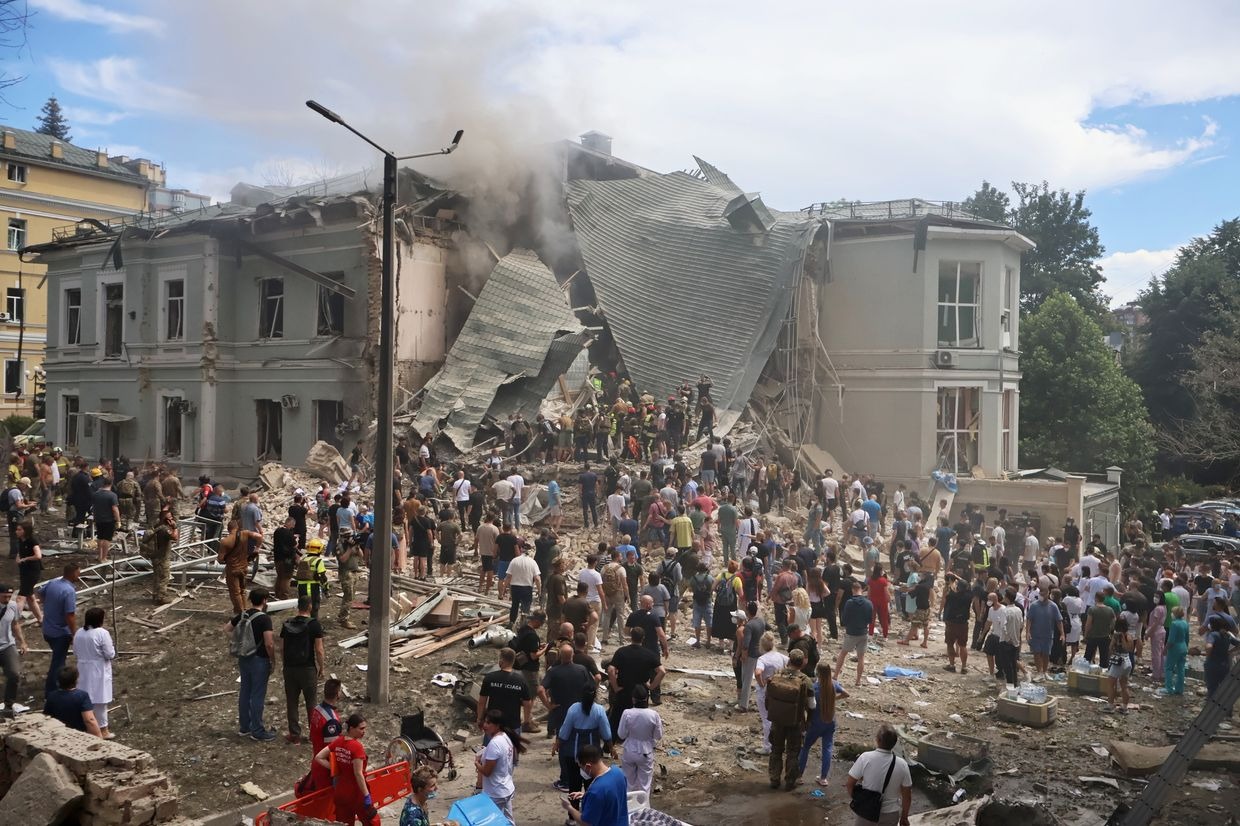
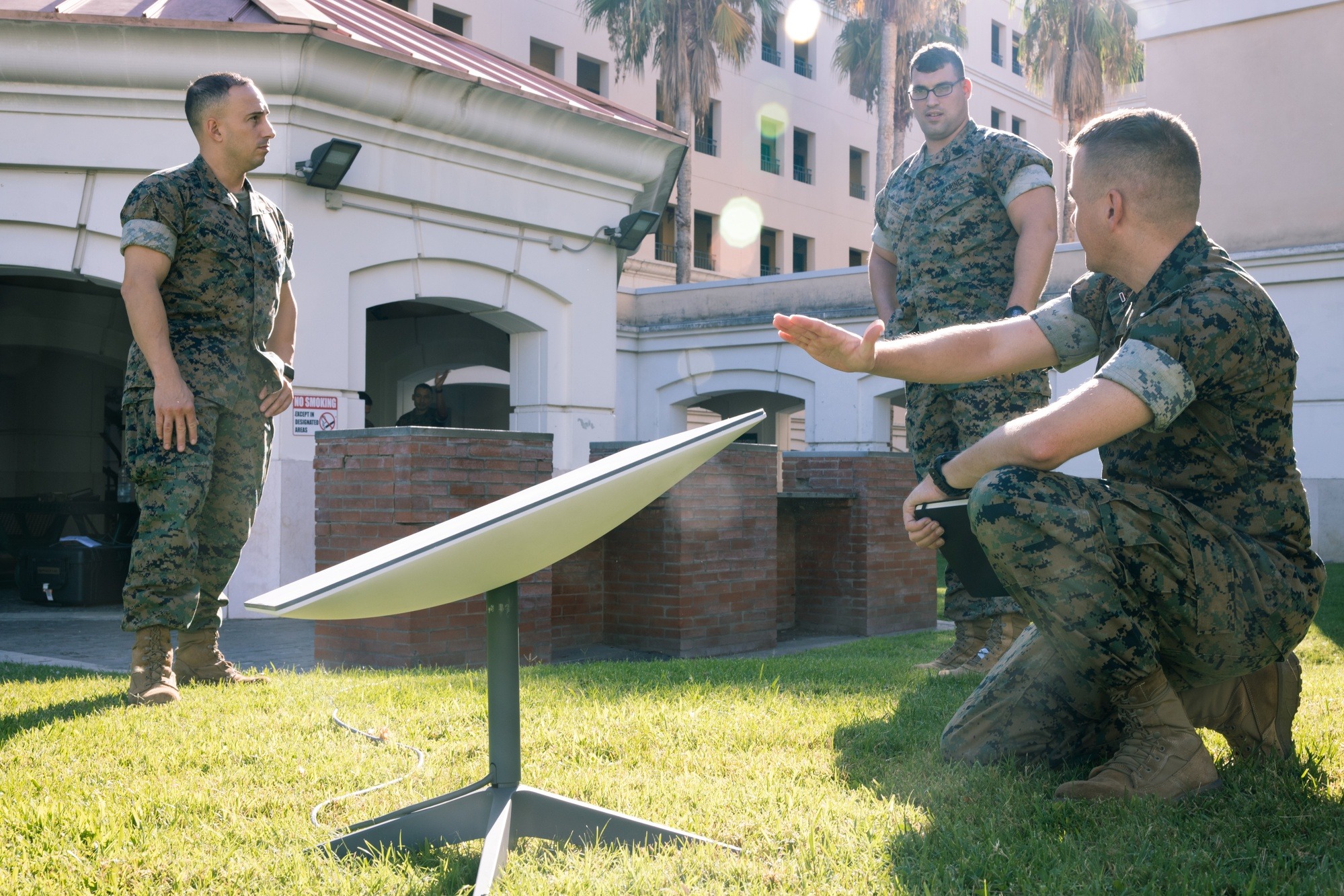
How do you assess the role of technology and private companies in defence, particularly SpaceX and Elon Musk? Ukraine has gained enormous advantages from Starlink, but we cannot use it on Russian territory. Now we have encountered unexpected restrictions on the Starshield programme as well. The parties involved are shifting responsibility onto one another — Musk, the Pentagon or Trump.
How much can we trust companies like these? Suppose India or another country wants to work with Starlink. Wouldn’t it have to ask itself whether it really needs the system if it can operate this way?
I will turn to history again, because human nature does not change. We often find ourselves in similar situations, and although the past cannot predict the future, it can help us understand it.
This applies to Starlink and to artificial intelligence as well. Many executives at American technology companies warn about the dangers of AI. Some have even resigned, arguing that the technology could lead to the deaths of billions of people — that it poses a threat comparable to nuclear weapons. All of this raises the question of how such technologies should be controlled and who should own them.
Historically, we have grown accustomed to living in nation-states: you are Ukrainian, I am American. But it was not always this way. The modern system of state sovereignty emerged after the Thirty Years’ War and the Peace of Westphalia. As citizens, we have granted the state a monopoly on the legitimate use of force. The state has the authority to raise an army and administer justice. In the Middle Ages, by contrast, any feudal lord could raise an army and attack a neighbour, creating chaos.
Now we are seeing technologies that were once controlled by the state pass into private hands. NASA used to run the space programme; now we have SpaceX. If Musk decided tomorrow to stop cooperating with the US government, the country would be left without a space programme. If he refused to help Ukraine, you could suddenly lose the ability to fight.
This is a potential return to techno-feudalism. Elon Musk resembles a medieval duke who has decided to defy the king. He has concentrated enormous power in his hands, and the state is unable to do anything about it.
The privatisation of the military sphere, defence technologies and artificial intelligence gives companies influence that can exceed the capabilities of sovereign states. This forces us to ask what role the nation-state will play in the future. Is it acceptable for one person to have enough power to influence an entire country’s foreign policy unilaterally?
At the same time, I understand that this is not so much about techno-feudalism as it is about different malicious actors. What surprises me is something else. I was working on a book about the drone revolution, and almost all the questions I was asked abroad boiled down to one thing: “What if these technologies fall into the hands of organised crime or some armed groups?”
That is, of course, a legitimate question — we have just mentioned ISIS, which used drones very effectively. But I think there is a certain double standard here. There are states such as Russia or North Korea that can use any weapon and violate every rule, while the world more or less tolerates this simply because they are major powers. Yet everyone is deeply concerned about these technologies falling into the hands of the Houthis or the mafia. Meanwhile, states are the ones with the industrial capacity to commit atrocities on an enormous scale.
We are now witnessing the breakdown of systems established after the most catastrophic war in human history. Eighty years have passed, and we have grown up in a world where these systems were taken for granted because they provided stability. It does not surprise me at all that they are breaking down now.
Historically, periods of chaos and the breakdown of the established order recur roughly every 80 years. That is about the length of a generation that remembers the previous upheavals. I did not need to convince my grandparents that the United Nations was a good thing: they had lived through the Second World War and understood why it was necessary.
In the same way, our generation does not need to be convinced of the seriousness of pandemics: we have all lived through one and do not want to experience it again. But in 70 or 80 years, people will have forgotten. So we are now living through a period in which international norms are being challenged precisely because people no longer remember the terrible consequences of dismantling them.
I want to return to your June 2022 article about the vulnerabilities created by dependence on China. For Ukraine, this was one of the most important issues last year as well. Ukrainian drone manufacturing has managed to significantly reduce its dependence on other governments: we produce most of our weapons ourselves. But the components still come from China.
Do you think European companies could quickly establish production of the things currently manufactured in China? These are not particularly sophisticated technologies. Do you see signs that Europe can rapidly develop its own manufacturing capacity and reduce this dependence?
In the US and Europe, there is a growing recognition that we need to invest in the defence industry again and rebuild our own capacity for mass production.
I remember meeting with a government official sometime around 2020 or 2021. He was promoting the CHIPS Act and public-private partnerships, one of the Biden administration’s priorities. We were discussing the defence industries of the United States and China. I told him, “China has manufacturing capacity that we do not have. But the US knows how to create highly sophisticated technologies. The iPhone is designed here, while in China it is merely assembled. The same is true of the most advanced weapons. In other words, when it comes to the final few percentage points of sophistication — moving from 97% to 100% — the Chinese cannot do it.”
He replied, “I agree. But when was the last time the US fought an adversary of comparable strength? During the Second World War. And who was developing the most advanced technologies then? Not us. Our Sherman tanks were called ‘Ronsons’ — because they lit up so easily. The best tanks, the first cruise missiles and the first jet aircraft were developed by the Germans.”
The Germans’ problem was that they could not manufacture these weapons in sufficient quantities. It was the industrial capacity of the United States and the Soviet Union that defeated Germany. My interlocutor summed it up this way: today, the US is in the position Germany occupied then, while China is in the position the United States occupied at the time.
During the Second World War, we designed our bombers and tanks around the factories available to us. We manufactured them in the same facilities that produced cars and ships because we had no other capacity. We redirected our entire industrial base towards the war effort.
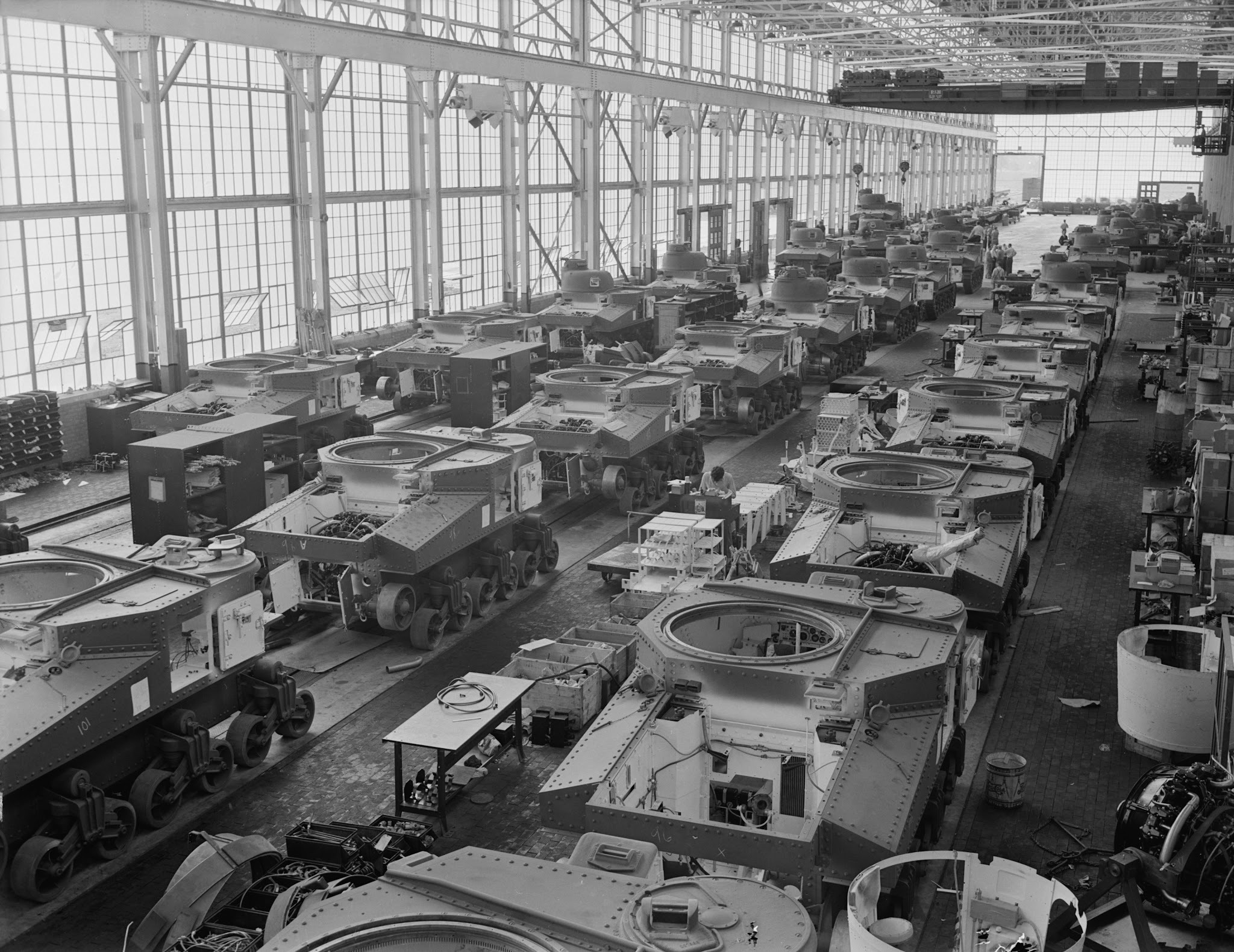
Today, we no longer have that ability because, in the early 2000s, we helped China join the World Trade Organization and moved our own manufacturing there.
The US is now genuinely trying to bring home manufacturing that is important to the defence industry. Europe may be doing the same. But this is a long and difficult process. Until it is complete, we will not have an industrial base capable of meeting defence needs — in Ukraine or anywhere else in the world. This is not just about drones, but about any other technology that will shape the next war.
In the US, people have recognised the problem, but there is no quick or easy solution.
What did you see during your most recent trips to Ukraine? What caught your attention most? You write about the war and the people you speak to, but you also look at everything through the lens of your own military experience.
At its core, every war is about politics. So the first thing I pay attention to is the overall atmosphere: what is the mood, and what are people feeling? That is usually what interests me most.
Of course, I also follow technological developments and the ways Ukraine is moving ahead of others and becoming a leader in certain areas of military innovation.
For example, I recently visited the headquarters of an army corps. The military showed us software they had developed themselves and explained, “We built this system ourselves. Representatives from Western countries want access to it, but it is entirely our own development.”
Once again, this reminded me — and I think it reminded Western militaries as well — of the extraordinary amount of combat experience Ukrainians have accumulated. It far exceeds the experience Western armies have today.
Of course, we should not assume that the West’s next war will be an exact copy of the war in Ukraine. But your knowledge and capabilities need to be put to use now, while the US and Europe are still trying to understand what warfare will look like in the future.
One other thing from that trip particularly stayed with me, and it brings us back to what we discussed earlier. I experienced first-hand the Russian attacks intended to terrorise civilians. That was something new for me. These strikes seem entirely devoid of strategic purpose. They only reinforce my impression that the Putin regime is acting with increasing desperation, trying to find some way — any way — to bring this war to an end.
You are a veteran. There is a lot of discussion in Ukraine about integrating veterans into society, but, honestly, I really dislike that term. Here, we are more likely to talk about the need for civilians to understand veterans better, because veterans are a huge part of our society. I am not even talking about what happens “after the war”, because it is difficult to imagine what that means. But it seems to me that a great deal depends on whether these are veterans of a war their country lost or one it won.
Absolutely. In fact, I am even more optimistic about the future of Ukrainian veterans. There are two reasons for that.
First, it is much easier for people who have been through a war to find some inner peace if they clearly understand what they fought for and what their comrades made sacrifices for. That helps them come to terms, at least to some extent, with what they have experienced. American veterans often struggle with the question, “What was it all for?” If you have won and defended your country, that question does not weigh on you as heavily or cast such a dark shadow over the rest of your life.
Second, virtually all of Ukraine is living through the war. Not everyone is on the front line, but the war has affected everyone. So when a Ukrainian veteran returns from the front, they do not have to spend a long time explaining what they have been through. The people around them already understand it to some extent, which makes it easier for them to accept the veteran’s place in society.
The situation in the US is different: only about 1% of the population serves in the military. Military communities often live apart from the rest of society, leaving veterans feeling isolated. Civilians simply cannot fully comprehend their experience. So Ukrainian veterans are unlikely to face the same kind of alienation, and that is a positive thing.
But they will face other challenges. Ukrainian society as a whole has experienced collective trauma on a scale that American society has never known. I certainly do not want to diminish the significance of that experience. The scale of Ukraine’s losses is staggering — utterly incomparable to what American society has experienced in our recent wars.
This brings us back to the idea that what matters is not only what you experienced on the battlefield, but also the place you occupy in society and the political circumstances you return to.
As a veteran, I have lost count of how many times I have heard people say, “Elliott, I cannot even imagine what you went through over there.” They are good people, and they mean well. They are simply trying to express their sympathy. But I have always felt that those words deepen my sense of isolation. If someone cannot imagine my experience, then they see me as someone who has been irreversibly changed. As if I went through something that altered me beyond recognition, and I can never become the person I was before the war. Which means I can never truly come home.
Those words have always made me feel alienated. I understand the intentions behind them, but I still end up feeling lonely. It is difficult for me to imagine someone in Ukraine approaching a veteran and saying, “I cannot imagine what you went through.” I think people in Ukraine can all imagine it to some extent, because you are experiencing this war together. Of course, not everyone has been on the front line, but even that difference in experience matters enormously.
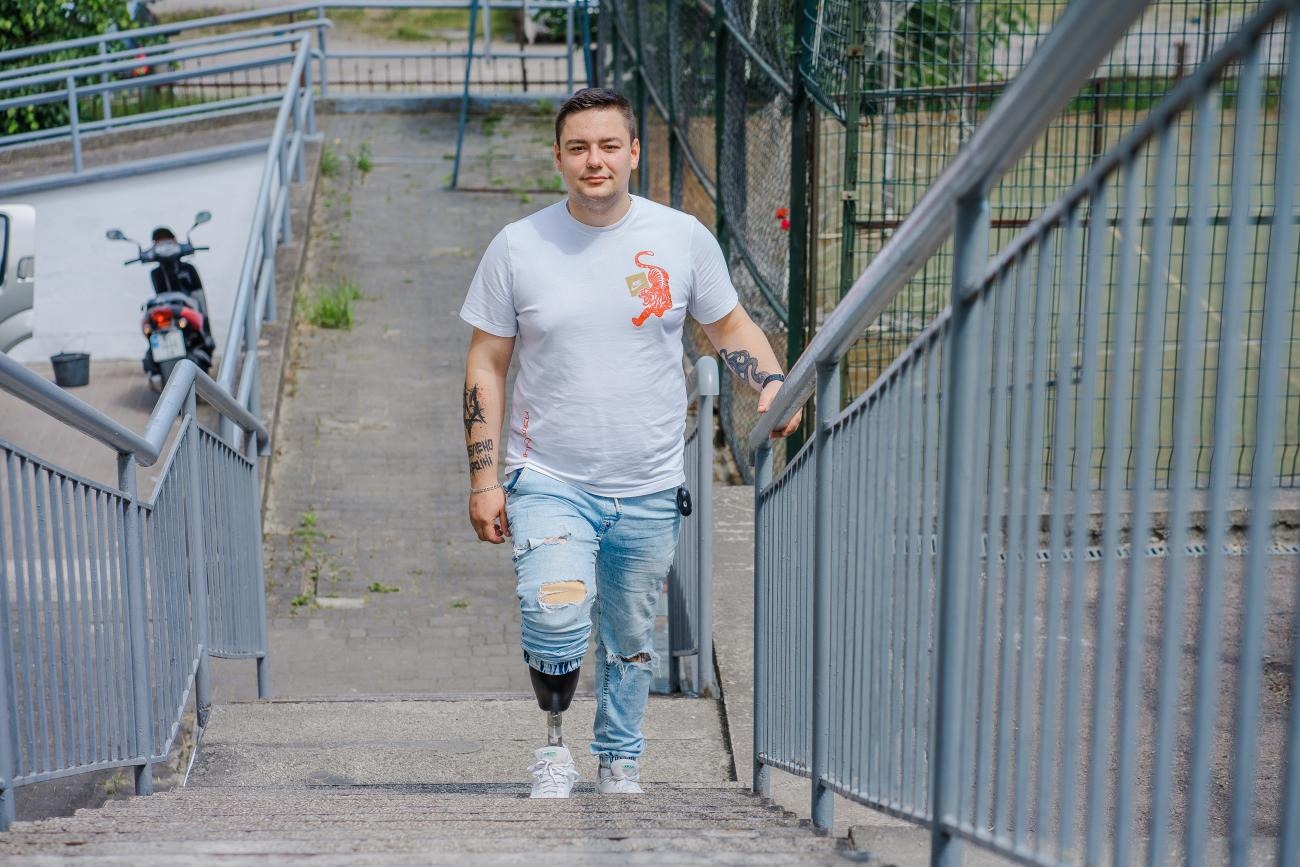
People in Ukraine understand veterans because the war has affected an entire generation. I hope Ukrainian veterans will not experience the kind of isolation that has become one of the biggest problems for American service members. Although, of course, they will face other difficulties.
I remember a conversation I had with a South Korean man. Most people there do not want to serve, but they are required to. There is no active fighting there, and avoiding conscription is almost impossible. This man was a committed pacifist, and he said to me, “You know why the military should not be entirely all-volunteer? Because then politicians can send people to war without feeling that it affects them personally.”
Recently, I heard a line on Ezra Klein’s podcast: “Then we won’t have to send our boys and girls to fight.” And I caught myself thinking: we simply do not think that way! For us, there is no division between “us” and “someone else” who gets sent to war. It affects you directly.
The very idea that you are sitting in New York while someone else makes the decision to send young people to war is understood very differently by us. So here is what I wanted to ask you. You come from a prominent intellectual family with close ties to literature. Why did you decide to join the military?
There were three reasons. I joined the military before 9/11. Of course, the attacks fundamentally changed my attitude towards military service: I joined a peacetime military and ended up in a military at war. But why did I decide to become an officer in the first place?
First, I wanted a job where my decisions would genuinely matter, and I wanted a great deal of responsibility. I thought, “At 23, I’ll become an officer and command 40 people — now that’s a real job!”
Second, I grew up abroad. I lived in Britain for six years and travelled extensively around Europe. That helped me see being American in a different light. I realised how fortunate I was, came to appreciate my country more, and wanted to serve it.
And third, I was simply a kid who had never stopped playing with toy soldiers. I had always been fascinated by the military. That was what led me to the Marine Corps.
But the war began while I was serving, and that raised a different question. Your generation finds itself facing a war, and you are able to fight. Will you go or not? It was the same for my father’s generation during the Vietnam War: everyone had to decide whether to go.
I realised what decision I wanted to make. If I was a man of draft age and there was a war going on, then the right thing to do was to serve and fulfil my duty. Would I have preferred to belong to a generation that never had to make that choice because its leaders had found a way to avoid war? Of course. I would have preferred never to face that decision. But I did, and I do not regret it.
You served at a time when we thought of the US as a global superpower. Now America is waging a full-scale war against Iran. You cannot say the current administration is avoiding international affairs — quite the opposite. And yet there is a sense that America is moving away from the idea of being a country that seeks global leadership.
I think both the Trump and Biden administrations have abandoned the idea of American leadership — the notion that the United States was founded on ideals worth defending around the world simply because those ideals have intrinsic value.
This tension has always been part of American politics: when should we promote our ideals abroad, and when should we focus on our own affairs? These periods alternate.
Our society was born out of a democratic revolution. One of the first questions facing the young republic was what to do after the French Revolution of 1789. France was our ally. In 1793, it was fighting in Europe to defend the revolution. Should the United States have supported it?
In his Farewell Address, George Washington warned against becoming entangled in foreign conflicts: we were still too weak to export our own revolution. Thomas Jefferson, by contrast, believed we had an obligation to do so.
I mention this example to show that this tension has always existed. Right now, the prevailing mood favours withdrawal from international affairs. But eventually, America will return to a more active role. I hope we will once again understand how to do the right thing — or at least how to do the right thing by Ukraine.
I am interested in how you see this personally. What do Americans in general — if it is even possible to generalise — think about this war and about Ukraine? I do not expect them necessarily to care deeply about it. I understand that some people are more concerned about diesel prices, and the war is very far away from them. But you were just talking about the fabric of American society itself.
I cannot speak on behalf of all Americans, because we are all different. But I will try to outline some general attitudes shared by enough people to be noticeable.
One feature deeply embedded in American culture is that our national identity is often defined by whom we dislike. For a very long time, there was hardly anything more American than hostility towards Russians. Think of the Cold War and films such as Red Dawn or Rocky IV, in which the main character fights a Soviet boxer.
So when Putin invaded Ukraine, many Americans immediately understood what was happening. Their reaction was: “No, you can’t do that. We’re Americans.” Those feelings are still alive. Many people in the US do not even need to be persuaded that Ukraine is in the right, because confrontation with Russia is an important part of our historical experience, especially for my generation and older ones.
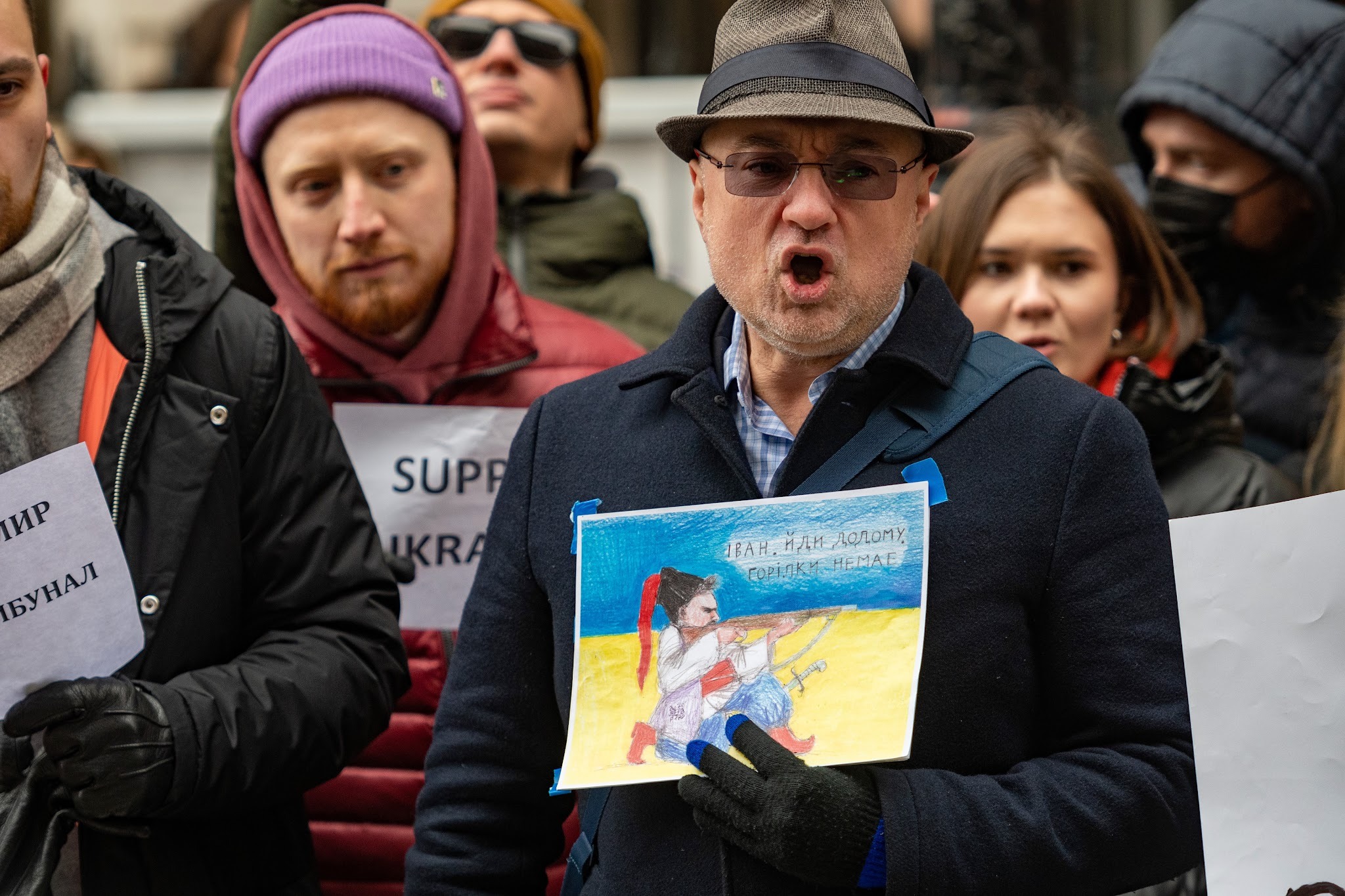
At the same time, Americans are generally inclined towards isolationism. Many people are not particularly concerned about what happens beyond our borders. There is even an old joke that Americans learn geography through wars. Before 1989, few people could have pointed to Kuwait on a map. But then Saddam Hussein invaded it, and suddenly we all learned where it was.
There is another feature: we are not just a country born out of revolution; we remain a revolutionary society. Every two years, we effectively have another revolution, as one election cycle gives way to the next. As a result, we often think in the short term.
I genuinely believe that Trump made this deal with Putin solely to bring diesel prices down for the next six weeks and gain an advantage in the elections. Of course, that is no way to build a long-term national strategy. But it is often how we operate.
At the same time, I do not think this is entirely bad. We see ourselves as a very young nation. We are not Europe or Ukraine: we do not have the same ancient history or the same attachment to the land. Think of Putin’s speech justifying the invasion: he reached back to the eighth century, to the origins of Rus. America is different. The house I am speaking to you from was built in the 1890s, and to most Americans, that is almost the oldest building they can imagine.
The paradox is that we also have a very old system of government. We have lived under it for nearly 250 years, and our Constitution is one of the oldest democratic constitutions still in force. The system has endured precisely because it offers so many ways to let off steam and give expression to public discontent.
We are both a very young and a very old nation. This contradiction often makes it difficult for us to think far ahead and maintain a long-term strategy.
I understand how exhausting this is for Ukraine, which is fighting a war. You constantly feel as though you are being pulled from side to side, forced to adapt to yet another shift in American policy. And that is indeed what is happening. But unfortunately, that is how America works. My friends from other countries are often baffled by these contradictions; they find it difficult to understand why our country makes the decisions it does.
It seems to me that Ukrainians have increasingly learned to rely on their own strength.
Exactly. And perhaps that is the best approach. The determination to rely on oneself is something Ukrainians and Americans share in how they see themselves.
Ultimately, no one is going to win this war for Ukraine except Ukraine itself. I genuinely believe that. Of course, you will receive help, and that help will matter. But let me put it another way: Ukraine has held on not because of anyone else, but above all because of Ukrainians themselves. At least, that is the conclusion I have drawn from what I have seen with my own eyes.