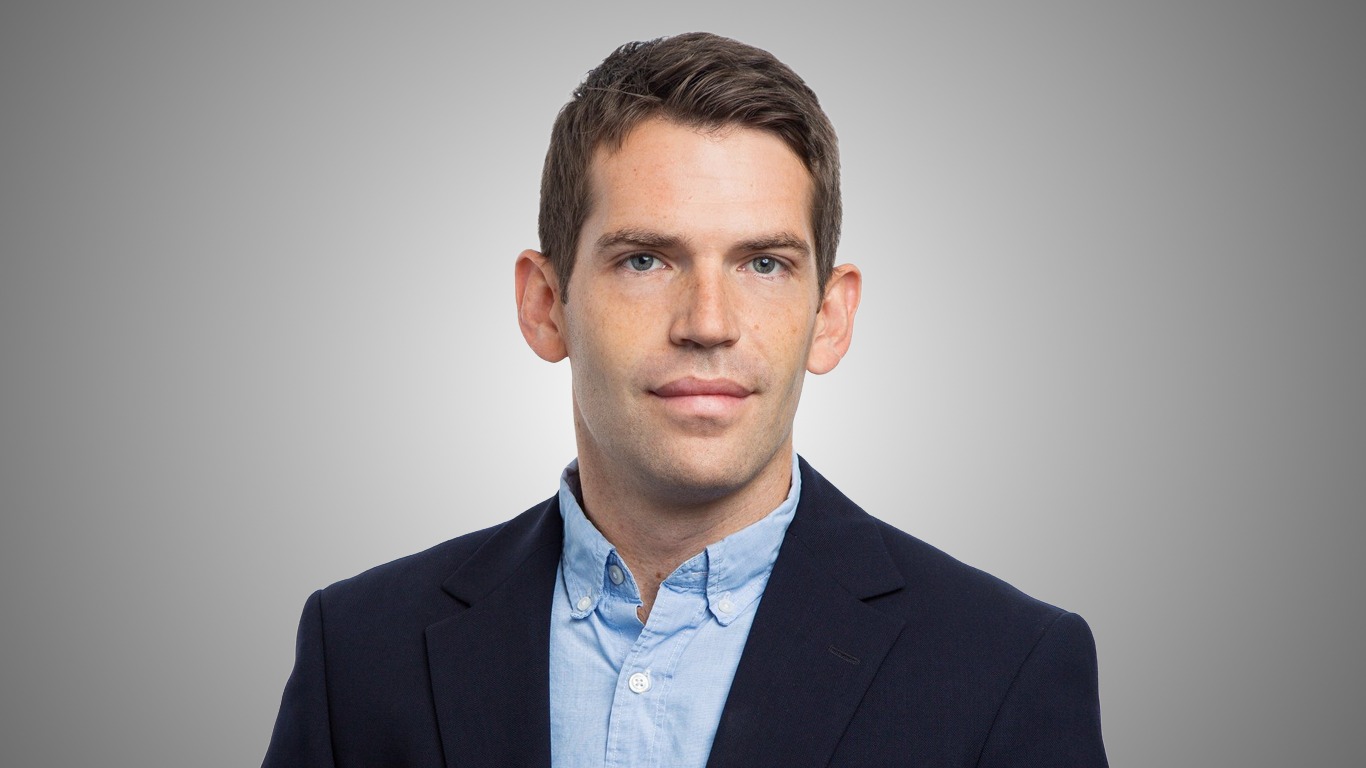
“We Need a Healthy Dose of Polarization” — Bart Brandsma
Dutch researcher and consultant Bart Brandsma has spent years studying the mechanisms behind social divisions in countries around the world, from Cambodia and African nations to Europe and Ukraine. Against a backdrop of declining trust in democratic institutions and rapid technological change, “us versus them” thinking is finding new fuel — from social media to the populist framing of “the elite versus the people.”
Brandsma believes that polarization is a natural part of democracy, but too much of it destroys the space for a moderate centre. Why do facts and fact-checking so often lose out to emotional narratives? How does artificial intelligence affect social cohesion? And why is it important for journalists to learn to listen to people caught between opposing positions? Brandsma discusses these questions with journalist Angelina Kariakina on the podcast When Everything Matters.


Bart, how would you define polarization today? Has it changed over the time you’ve been studying it? How is polarization in 2026 different from what we saw in 2004?
The definition of polarization I used ten years ago is still relevant today. It is a process in which people increasingly adopt black-and-white thinking. Polarization is as old as humanity itself: it involves thinking in terms of “us and them” and begins in the human mind. The distinction between “our own” and “outsiders” has accompanied us throughout history.
But polarization needs “fuel” to intensify. And that is where fundamental changes have taken place. The phenomenon itself remains the same, but its scale depends on how much fuel we add. That fuel often comes in the form of statements by one camp about the identity of people on the other side.
Today, there are far more tools for spreading such messages. Through social media, we continuously feed “us versus them” divisions. Imagine an activist forty years ago who wanted to intensify polarization. She would have had to print leaflets and hand them out on the streets herself. Today, she can use X, TikTok or other digital platforms to deepen a divide instantly.
Whenever new media emerge, we see a new surge in polarization. In the 1930s, the German authorities used radio to reach people directly in their homes. Radio effectively fuelled the “us versus them” divide, whether people supported Hitler or opposed him. Today, social media play a similar role.
Is there more fuel for polarization today not only on social media, but in politics as well? We see it not just in the United States, but across Europe. Why does this technique still work, and why are people susceptible to manipulation?
Polarization can occur at different levels — micro, meso and macro. We can talk about an “us versus them” divide on a global scale, such as between East and West. We can look at it within a single country, or even within a family. For example, tension between my wife’s relatives and my own family would also be a form of polarization. So it is important to clarify which conflict we are talking about: left versus right, urban versus rural, or — particularly important today — the elite versus the people.
Over the course of my career, I have seen many versions of the “us and them” divide, from tensions between Muslims and non-Muslims in Western Europe to conflicts between people who supported and opposed COVID-19 vaccination. Each has its own context, but most are rooted in the fundamental “us versus them” opposition.
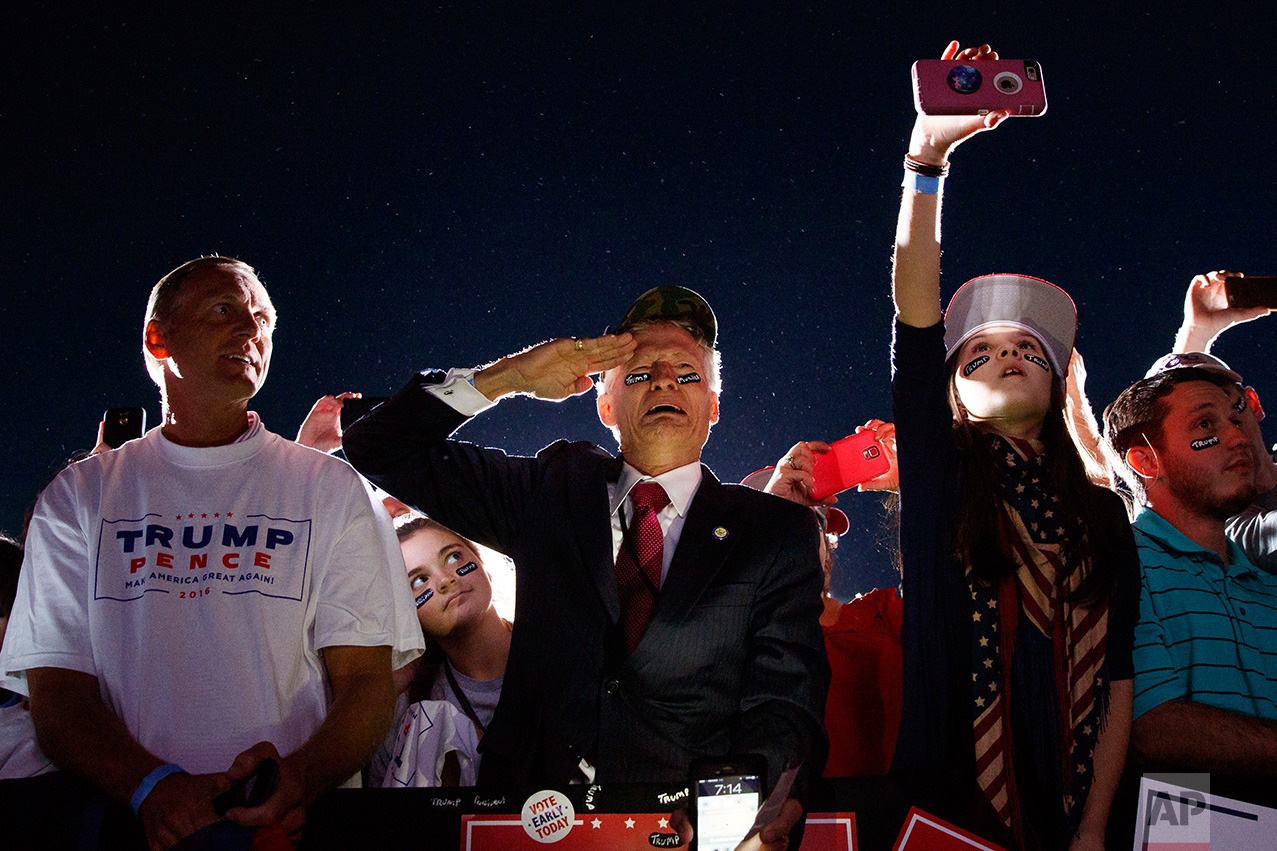
Since around 2015, the “elite versus the people” narrative has become particularly powerful. Donald Trump won elections in part because he understood how to appeal to people’s deep-seated feelings and skilfully exploit this divide. It has also become a dominant model of polarization in many European countries.
It is crucial to understand this dynamic. Meanwhile, people whose professional role requires them to remain neutral often find themselves caught between the two extremes, trying to engage with both camps. Journalists are one example: they seek to remain impartial and give both sides of a conflict a voice or airtime, because traditional journalistic ethics emphasize balance between opposing views.
The main problem, however, lies elsewhere. By devoting the lion’s share of attention to radical extremes, we completely forget about the middle. People in the centre are left entirely out of the picture in polarized societies. They do not generate clicks, and their stories do not seem sensational. Journalists trained in the traditional school of reporting are used to covering the positions at either end of the spectrum, assuming that these are the issues of greatest public interest.
How can we distinguish polarization from pluralism and healthy competition between ideas? How can public-service broadcasters cover this subject without losing sight of the fact that diversity, pluralism and competition between ideas are perfectly normal?
Polarization in itself is normal. It is a healthy process in a democracy: without it, there would be no one willing to challenge the status quo. So we need a certain dose of polarization, and we should not fight it as such.
What matters is recognizing when it becomes excessive and destructive. How can we tell? First of all, by watching the “middle” — the moderate group — shrink rapidly. People in the centre are forced to choose one of two camps: “You are either with us or against us.” All the aggressive pressure is directed at this group, while the opposing sides try to pull it towards them instead of discussing the substance of the issue constructively.
At such moments, we need to look for ways to depolarize, and journalists can play a key role. The media may not be the original cause of polarization, but they can become a powerful catalyst. When the extremes gain disproportionate influence, the media’s task is to help strengthen the moderate centre.
Politicians and activists sometimes need to create polarization to challenge the established order. Nelson Mandela, for example, intensified social confrontation, and we admire him for it. But later he was able to become president, and we can also look at his achievements through the lens of depolarization.
So I would urge people not to fight polarization as a phenomenon, but to identify their own position on the “polarization map.” Journalists need to decide when their mission is to build bridges between opposing camps and when it is to turn to people in the middle and tell the stories of their real dilemmas. What stories can these people tell? Believe me, they are fundamentally different from the loud statements made by those at the extremes.
You have worked in different countries — in Africa, Cambodia and Ukraine. What do societies with particularly strong polarization have in common? And what helps countries maintain social cohesion?
Democracy plays a crucial role. It helps society deal with polarization, a natural phenomenon rooted in human nature. Our tendency towards polarization is embedded in our biology, and it is not inherently destructive. Democracy is meant to help us manage this dynamic and accept pluralism as a natural state of affairs.
But when democratic mechanisms fail, social cohesion suffers. We can see this even in the United States, with its centuries-old democratic tradition. What has been built over generations can be lost in just a few years.
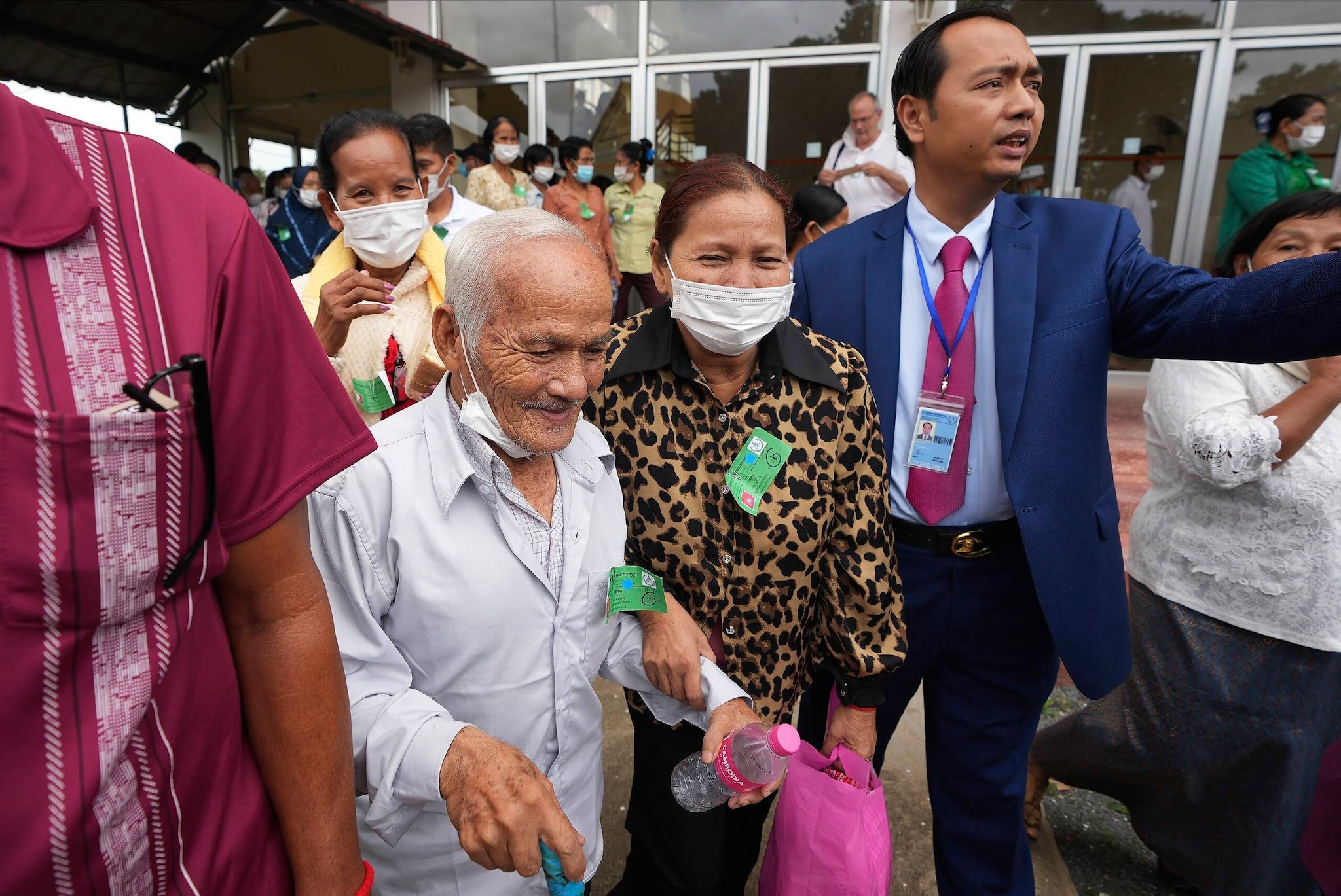
I worked in Cambodia. Mass killings took place there many decades ago, but the deep trauma is still palpable. “Us versus them” divisions also persist, including between the elite and the people. Whose side were you on? What about your parents? Such questions do not disappear, because every society has a complex history.
In Ukraine, I spoke with a group of people about the day of victory — the long-awaited day when the war will finally end, Ukraine will withstand the assault and begin rebuilding. But new fault lines may emerge afterwards: between those who left and those who stayed; between those who speak Ukrainian and those who still speak Russian. There will probably be many other sources of tension as well.
The key question is whether, by then, society will have effective democratic institutions and a healthy media environment capable of easing tensions. That will be a new challenge when society loses cohesion and people have endured severe trauma and suffering. Yet there are also times when democracy works well and society finds healthy ways to navigate such crises. That is why I believe democracy is the universal answer.
The United States, the United Kingdom after Brexit, Germany with the growing strength of Alternative for Germany — what went wrong? Why have people seemingly lost trust in basic institutions? Why have populist techniques worked? You live in the Netherlands. Do you feel the country is divided?
The situation in the Netherlands is much like that in Germany, although it is not yet as acute as in the United States. If you watch the news constantly, you might get the impression that society is deeply divided. But everyday life does not look that way: social cohesion remains fairly strong. The media simply tend to put radical positions in the foreground.
That does not mean I am unconcerned about polarization. Quite the opposite — I am seriously worried, because I understand that “us versus them” thinking is a construct created in our minds. Certain forces constantly try to feed it, including by exploiting the divide between the elite and the people. Across Europe, and especially in the United States, many people feel ignored: their voices are not heard, and their lives are not represented in the media. This creates fertile ground for populists and the far right, who step in and claim to speak for these people and their concerns.
Over the past ten years, I have noticed something that surprised me, too. Left-wing political forces have largely championed minority rights and environmental initiatives, and the media have covered these issues extensively. But many people felt, “This isn’t my story. This isn’t about my life.” People in rural areas, for example, sometimes say they no longer feel proud of who they are or where they come from.
When people feel unheard and someone suddenly says, “I know your story, and I’ll tell it out loud,” it can be incredibly effective. Donald Trump used precisely this tool. Something similar happened in Germany, including in the state of Saxony-Anhalt.
The real challenge, then, is this: can we, as journalists, reach this forgotten group in the middle and bring to light the dilemmas they face every day? I often see intellectuals explaining condescendingly, “Oh, I understand perfectly what happened to these people. They are simply afraid of change. They are upset because they are losing familiar privileges.” This is an overly intellectualized approach, in which one group decides what another group must be feeling. People reject that. And rightly so. They will say, “No, that’s not it at all! I don’t like you deciding what I’m afraid of. I’m not afraid — I’m angry!”
That is how this gulf of misunderstanding emerges. The key question for me is whether we can make room for the voices of people who face real-life dilemmas every day. There is a crucial truth here: the dilemmas of people caught between the poles can bring us together. Dilemmas unite; uncompromising positions divide.
Why are journalists still not very good at doing this? Have we fallen into the trap of a traditional narrative, covering the confrontation between left and right again and again instead of looking for new stories?
This is a classic pattern: journalists believe it is their duty to show both sides. During training sessions, colleagues often tell me, “Wow, finding people in the middle takes so much time and effort! I know exactly who is fuelling polarization, and I can easily find people who join them. But where do I start if I want to show how these events affect people in the centre?”
There are many routine barriers in modern journalism that make it difficult to work with such stories. There is another problem, too: at the end of every piece, we want to sum up how the problem can be solved and where a solution might be found. So we ask politicians, “What will you do to prevent this disaster from happening again?” In other words, we are constantly focused on finding ready-made solutions.
But people in the moderate group often face not problems with ready-made solutions, but dilemmas. Take refugees, for example. I may sincerely want to help people in need. At the same time, resources are limited and housing is scarce. How do we balance these two equally important concerns?
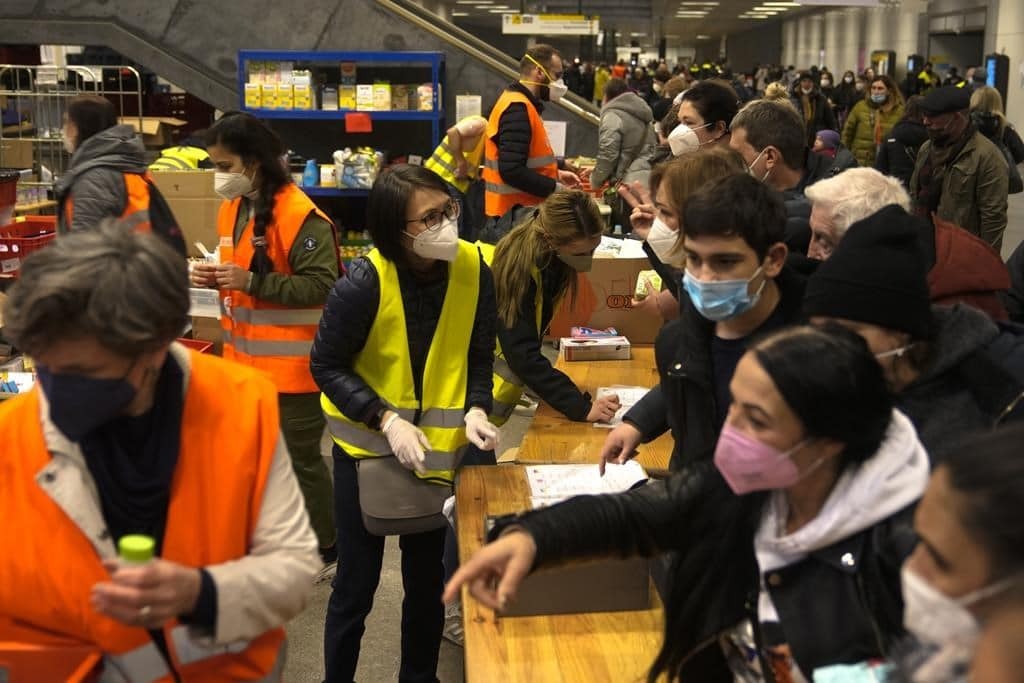
Most moderate people feel this inner conflict. There is no simple yes-or-no answer. We can learn to live with a dilemma, but we cannot resolve it with one simple decision.
Journalists should therefore deliberately seek out and tell the stories of people in the middle, without trying to offer a ready-made recipe every time. This is subtle and difficult work that takes time.
You describe polarization as an emotional process, and we can see how skilfully propaganda exploits it. The same is true of political manipulation. Yet the media still tend to believe that facts and truth are the best defence: that verified data and the clear presentation of truth should be enough. But audiences do not always seem to be looking for purely rational truth. How can the media tell the truth while also speaking to people’s instincts and emotions? Where should we start?
We must never stop checking facts or debunking disinformation. But we should not expect fact-checking alone to overcome polarization. When a society is deeply divided, it is not only what you say that matters, but also how you say it and who is saying it.
Polarization is indeed fuelled by emotional instincts. What can influence those instincts? Not dry facts or rational arguments, but narratives and stories. They have enormous power. Putin operates according to this logic; Trump uses a similar tactic, albeit in a different context. They offer people a coherent story.
That is why it is critically important for journalists to learn how to tell stories well.
So are democracies worse at telling stories than autocracies today?
Those who fuel polarization are extremely skilled at appealing to deep-seated feelings through narratives that resonate with audiences immediately.
If all you offer people are dry facts and nuance, explaining that everything is much more complicated, they may feel you are talking down to them: “You simply cannot grasp the whole picture, but I’m going to explain it all to you.” And that will push them away completely.
That is why we urgently need to learn how to tell stories well. Above all, we need to learn how to find them. We should reach out to the moderate group and look for their stories — their everyday dilemmas against the backdrop of the challenges facing the country. Then we can weave these personal stories into a broader narrative, so that people recognize their own experiences in the media.
Can you think of any successful examples of this approach?
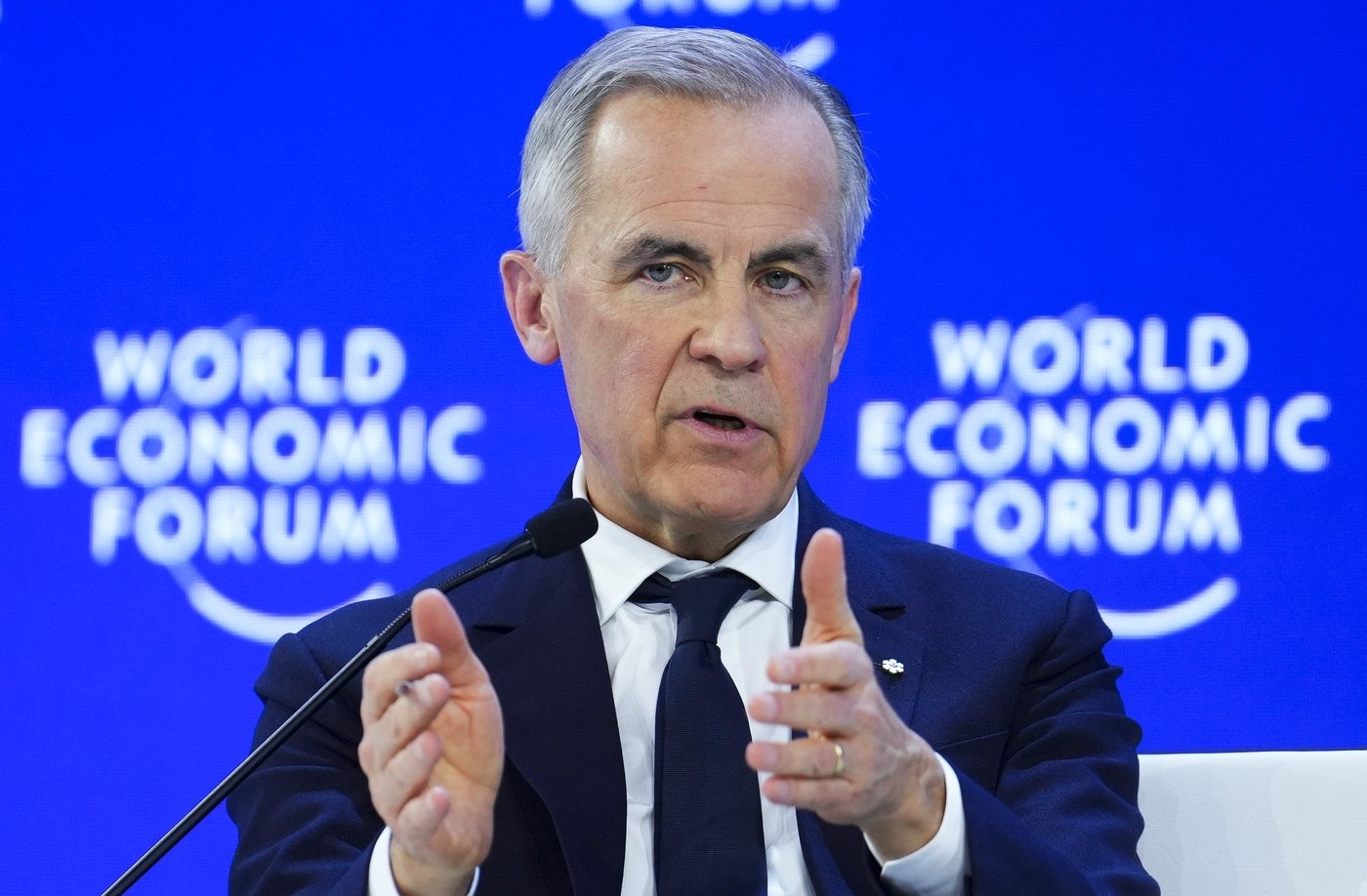
Recently, European societies were shaken by some of Donald Trump’s political decisions. At the Davos forum, Canadian Prime Minister Mark Carney spoke about the challenge facing middle powers: how to remain committed to their values while engaging pragmatically with a world in which interests diverge and not every partner shares the same principles.
Carney articulated a dilemma that people across Europe were acutely feeling. His speech captured a widespread sense of anxiety: how do we navigate a world in which principles seem to be losing their value and brute force appears to decide everything?
That is what it means to find the right narrative and give voice to what concerns society. To do so, we need to believe that such narratives exist and help people who are not being heard share their experiences.
That’s an interesting point. Journalists are people, too. They instinctively look for simple solutions, and audiences generally want simple stories. But complex challenges do not have simple answers.
In fact, people want not simplifications, but truthful stories — stories that are sincere and authentic. That is not the same as a dry report of facts and fact-checking results. A genuine story is something entirely different: it touches something deep within us, speaking to our emotions and intuitive understanding.
I hope that, alongside fact-checking and reporting the news, modern journalism will turn towards the moderate group and begin telling its stories. To do that, we must first learn to listen carefully, and only then learn to tell stories well. Both skills are equally important.
In 2026, it is impossible to avoid the subject of artificial intelligence. Can we learn to use this tool to strengthen social cohesion, or will AI inevitably fuel divisions?
Unfortunately, I have to choose the second option. From what I have observed, AI algorithms can set opposing sides against one another and provoke confrontation.
I have just spoken about the importance of stories, but telling them requires creativity, empathy and imagination, not just analytical thinking. It requires sincerity and authenticity. I do not see these qualities as inherent in the way artificial intelligence works. AI is primarily designed for analysis, algorithmic solutions and rationality. It can process interests and needs, but it does not grasp empathy, know how to tell stories or sense the deepest longings of the human soul.
I am afraid AI will only take us further away from genuine social cohesion. When communication narrows to interactions with a digital assistant or chatbot, we may develop the illusion that we no longer need live contact with other people.
Our conversation right now has a lively dynamic that AI cannot reproduce. What is more, AI can strip our human communication of that organic quality. I hope that, for the sake of social cohesion, we will find a balance and manage to stop this destructive influence.
We need quality journalism and genuine creativity. We should not rely on analysis alone: artificial intelligence can analyse, but human beings need the ability to imagine.
Maria Ressa, the Nobel Peace Prize laureate and a guest on our podcast, said that AI effectively “hacks” our intimacy by entering our personal space. That is a truly disturbing thought.
Drawing on your international experience, are there approaches that could be adopted more widely, particularly by public-service broadcasters in Europe? Are there systemic issues we should work on together?
In my day-to-day practice, I work with professionals whose roles require them to remain neutral: mayors, teachers, judges, police officers and journalists. I believe they all need to develop their own methodology for operating in polarized environments from two different positions.
The first is to stand above the confrontation, between the two poles. A mayor, for example, must represent all residents, remain above political quarrels and set clear boundaries. This is about institutional authority and responsibility.
The second is to be among people in the moderate group, listen to them and understand what matters to them. The same applies to teachers: they need to learn to combine both roles. This approach is critically important for journalists, too.
What could be done more broadly? A group of media professionals could come together to develop shared standards for covering sensitive issues and giving a voice to those who are not usually heard. If we manage to put this approach into practice across different professions, it will not be a ready-made cure-all, but it will be an effective tool for dealing with social tensions. We will have to find our own way through these divisions, but we can certainly learn to do so more professionally and wisely.
Can you give an example from your own experience of a decision that helped strengthen social cohesion?
In the Netherlands, there was a long-running conflict between farmers, who were required to change their farming practices in response to new EU environmental rules on emissions reductions, and government representatives, whom the farmers viewed through an “us versus them” lens as a condescending elite.
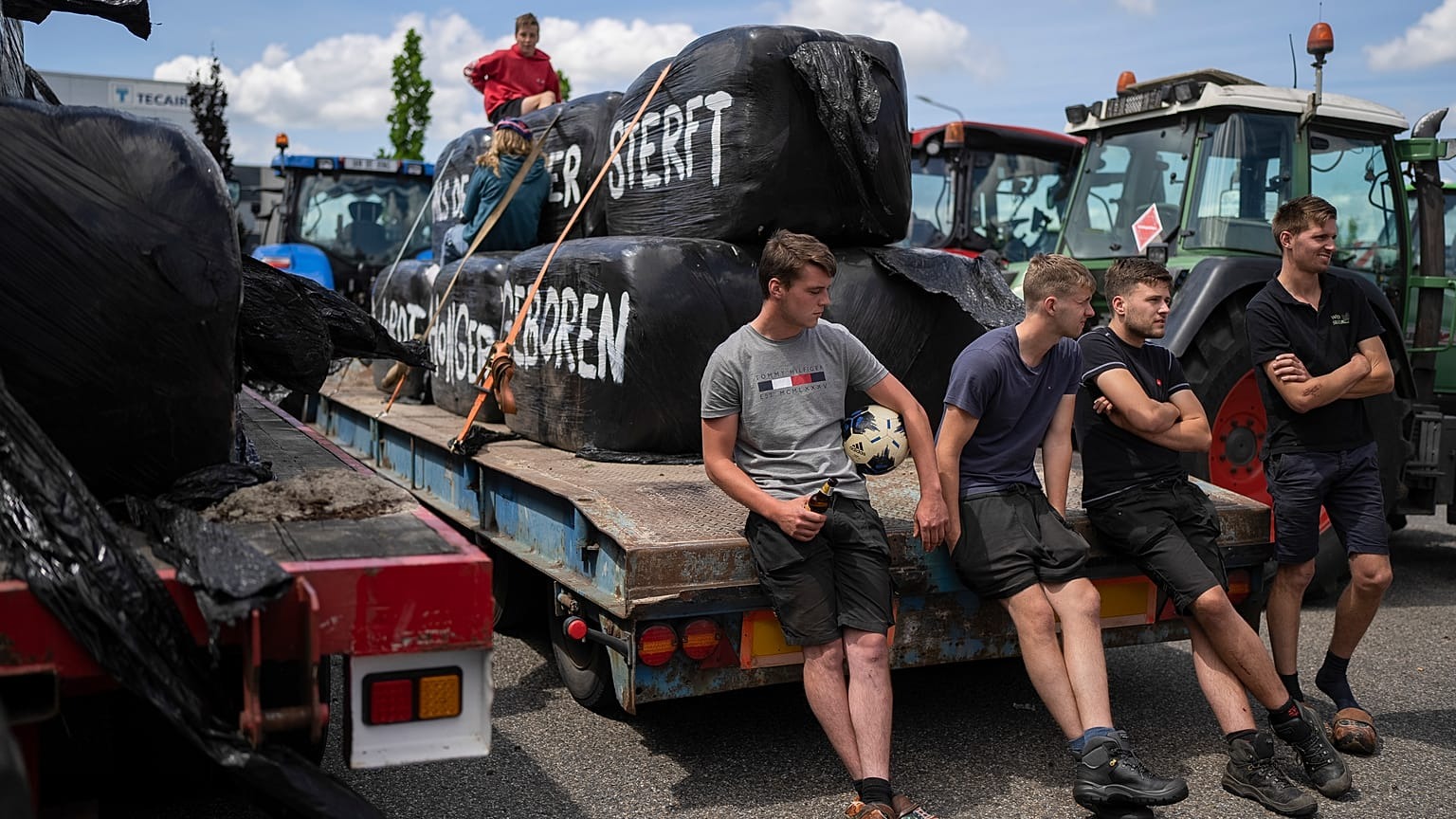
The conflict exhausted society for years, until at one point a mediator was appointed to find a way out of the crisis. He immediately declared: “I’m not going to organize the usual public debates or arrange a direct dialogue between the opposing camps. I won’t speak first to radical activists and then to government officials, only to bring them together at one table later — because that would turn into the same kind of spectacle as a talk show. My role as a negotiator is, first and foremost, to listen.”
After that, he effectively “disappeared” for several weeks. Having received an official mandate to resolve the conflict, he worked behind the scenes throughout that time. He sought out informal leaders among the moderate majority — people who could explain what was really happening within the community. As a result, the mediator gathered stories from farmers who were open to innovation and change but wanted to preserve their dignity, pride in their work and family heritage.
Being a farmer is about more than economics or business. It is about identity and a way of life.
The mediator not only listened carefully to these people, but also brought their stories to a wider audience. Many people who had previously leaned towards radical positions felt, for the first time, “At last, someone has heard us. This story is about us.”
This helped ease tensions at a moment when they had reached a critical point. To me, it is a telling example of how the focus can be shifted from the extremes to the moderate centre.
Did this lead to a concrete agreement between the government and the farmers?
In many situations, when you listen to people sincerely and give them the opportunity to tell their own stories, the formal decision itself becomes much less painful.
Of course, public administration requires concrete regulatory steps. But when people feel that they have been heard and understood, it becomes much easier for them to accept a compromise or even difficult changes.
That creates a very different atmosphere from imposing a ready-made decision on people who are convinced that nobody cares about their interests. So the first and most important step is to let people’s stories be heard, and only then move on to finding legal or political solutions.