Journalists Are Being Killed in Mexico. How Can Their Memory Be Preserved?
Mexico remains one of the world’s most dangerous countries for journalists, with attacks and killings of media workers regularly reported. Journalist and writer Alejandra Ibarra Chaoul created an archive of work by murdered reporters. It now contains more than 19,000 items by 84 Mexican journalists. She is also trying to challenge stereotypes about violence against reporters in Mexico. Many people assume that criminal cartels are largely responsible and that they target investigative journalists. Yet the archive revealed a very different reality: murdered reporters often covered local problems, such as the lack of clean running water or mayors’ failure to keep promises made to their communities. Their coverage of local issues was often subjective and satirical. Some also worked as taxi drivers or ran restaurants, and journalism was not their primary source of income. In Mexico, therefore, the victims are not limited to journalists from major newsrooms investigating organised crime at the national level. Although the state says it is trying to address these killings, it is usually the direct perpetrators who appear in court. Those who ordered the murders of journalists have still not been prosecuted, Ibarra Chaoul says
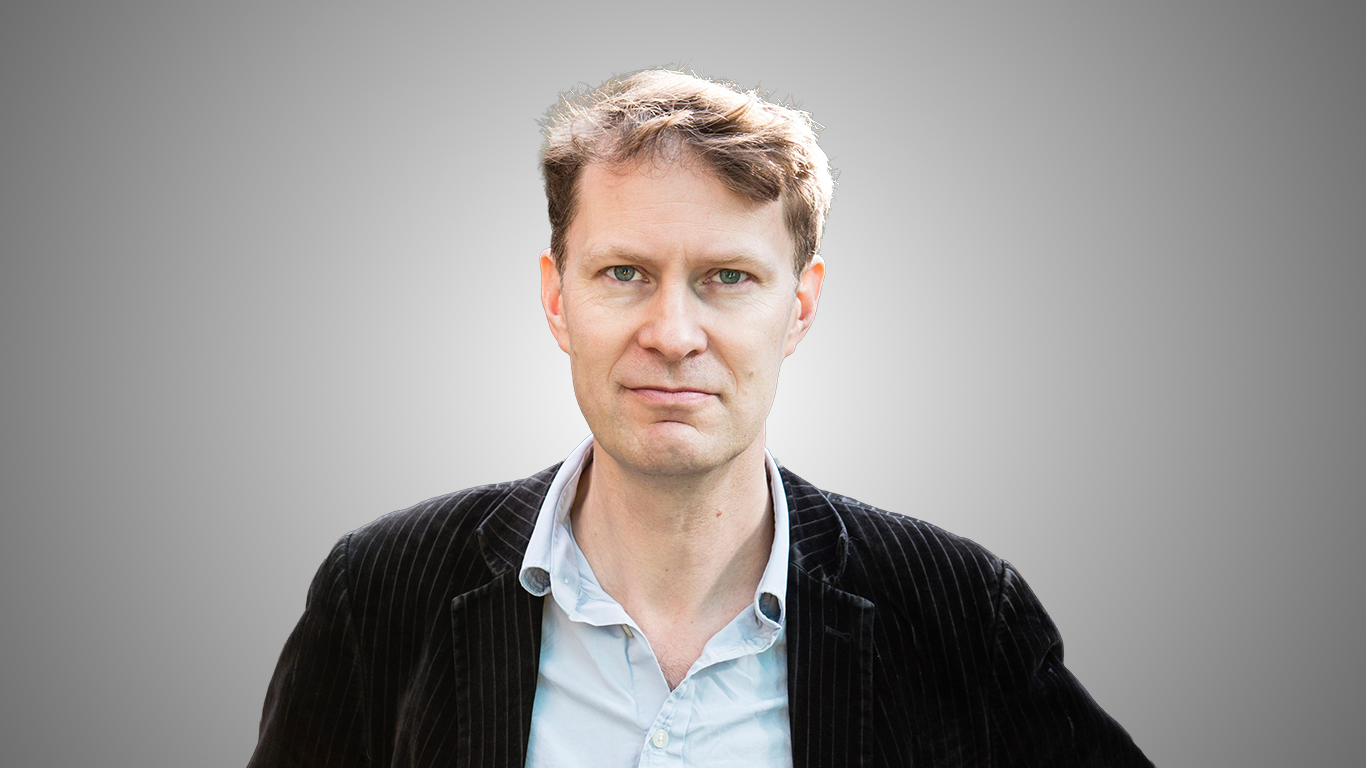
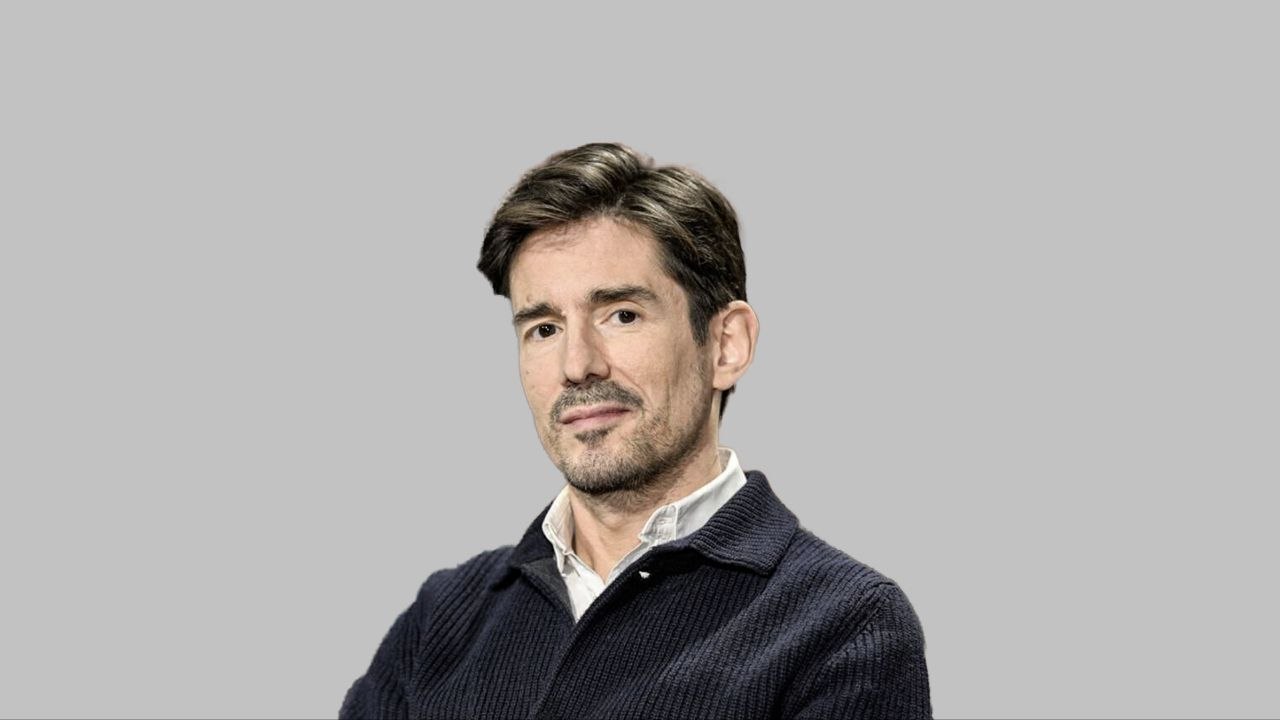
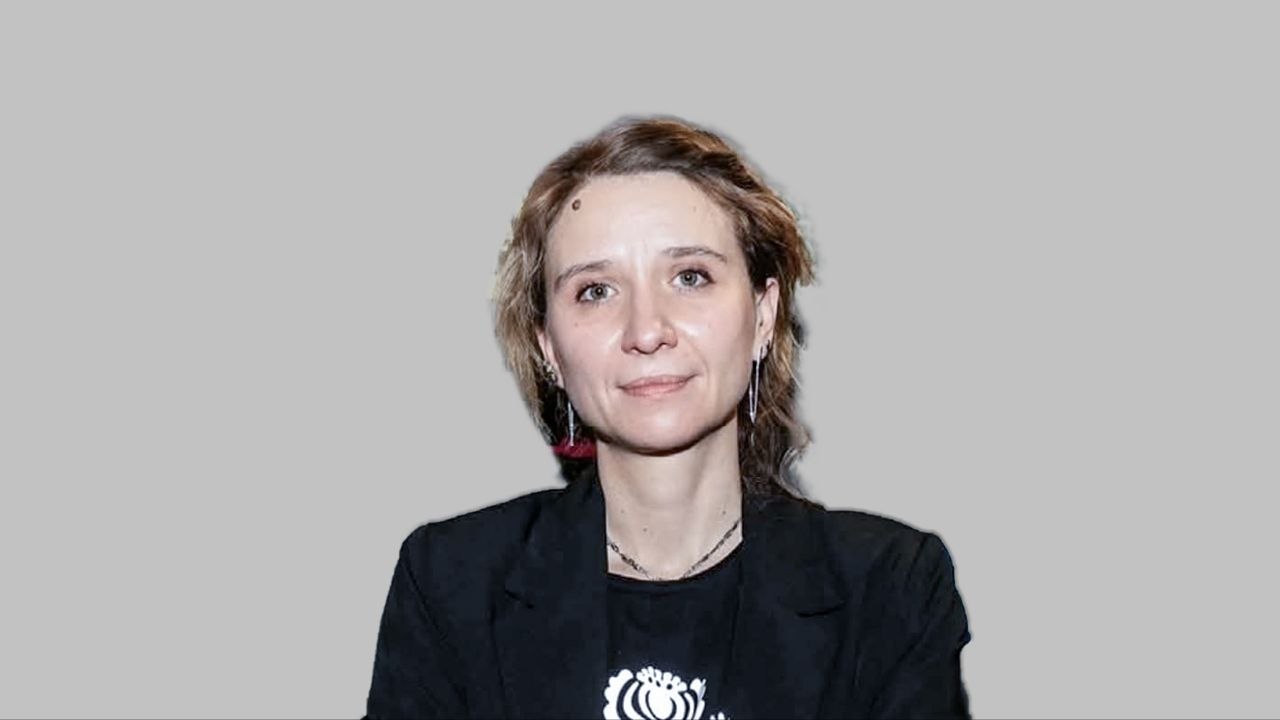
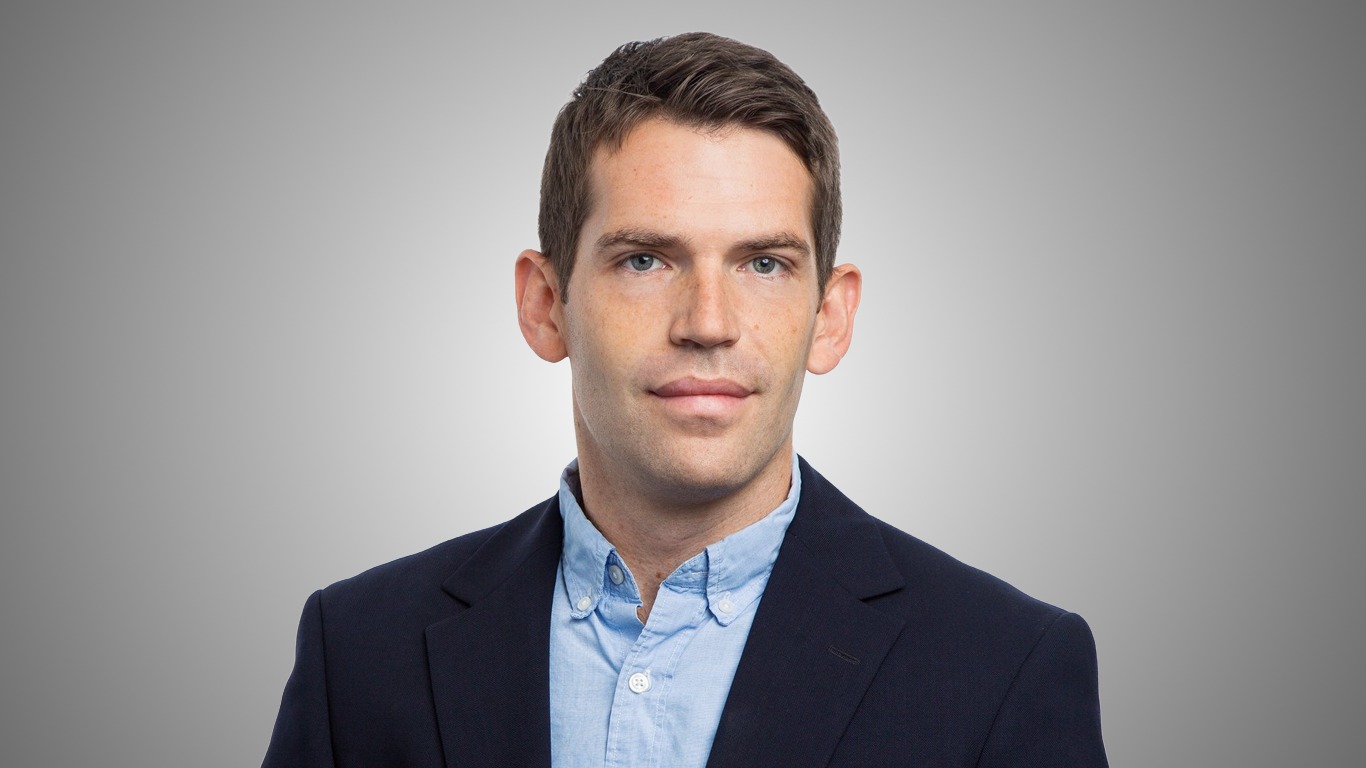
In the podcast When Everything Matters, journalist Nataliya Gumenyuk speaks with Alejandra Ibarra Chaoul about the distinctive features of Mexican journalism, attempts by state-level authorities to reduce the number of murdered reporters, why she decided to create the archive, and how the memory of killed journalists can be preserved.


Alejandra, I have really been looking forward to this conversation. Your work is important both for preserving memory and for understanding the real threats journalism faces. Let us begin with the project itself and its key findings. Mexico is sadly known as one of the most dangerous countries for journalists. But what you discovered goes far beyond the stereotypical, almost Hollywood image of drug cartels killing investigative reporters. You found a completely different picture, one that resonates with many other countries. Tell us how the archive began and where the project stands today.
The archive was launched in 2018 with a grant from the Brown Institute for Media Innovation at Columbia and Stanford universities. The original idea was simple: to preserve the work of journalists murdered in Mexico and ensure it did not disappear. This mattered because most of these journalists published on platforms they had created themselves: their own websites, social media accounts, or pamphlets they photocopied and distributed to neighbours. These materials were extremely vulnerable because there were no mechanisms for archiving them. After a journalist was killed, their work could easily vanish. Today the archive contains more than 19,000 items produced by 84 journalists. When we began archiving these materials, we discovered something striking: the dominant narrative that violence is mainly the work of cartels is quite superficial. In reality, these journalists covered everyday, hyperlocal issues: unpaved roads, missing streetlights, or problems with the water supply. At first, this surprised me. Where was the evidence of major crimes? But gradually it became clear that these stories challenged local politicians and their routine abuses: obvious embezzlement and conflicts of interest that everyone in the community could see. Sometimes journalists did not even need to present extensive evidence because everybody knew what was happening. But they had the courage to speak publicly about injustice.

I was particularly interested in how people responded to your findings. In one article, you write about La Nana Pelucas, the pseudonym of a satirical journalist from Acapulco who ran a YouTube channel. It is difficult to imagine that someone like her could be in danger. What is the danger of assuming that journalists who are not traditional whistleblowers face fewer threats? People may say they are not really investigative journalists because they are not digging into the Sinaloa Cartel or another criminal organisation. Does this make society more indifferent to their murders, and how does it affect criminal investigations, especially when a case is not nationally prominent?
Yes, and this is extremely important. The story of Leslie Ann Pamela Montenegro del Real, known as La Nana Pelucas, or “the grandmother in a wig,” illustrates it vividly. For her satirical blog, she dressed up in a tightly curled wig and a housecoat like those associated with grandmothers. The idea was to mock local politicians. For example, she called the then mayor of Acapulco, Jesús Evodio Velázquez, a “snot-nosed brat.” She produced the kind of reporting one would never expect to be deadly. It was funny and intended as satire. One evening, she went to a restaurant for dinner with her husband. Two attackers entered and shot her at point-blank range in front of him. In Mexico, our image of the investigative journalist has been shaped by the Global North, which has left us with a distorted understanding of our own media history. Reality does not fit that stereotype. Mexican journalism is often practised by people in towns across the country who describe the work and abuses of local politicians in a direct, humorous and satirical way. These are precisely the journalists who have been under threat in Mexico for decades. There is an excellent book by Benjamin T. Smith that I strongly recommend, The Mexican Press and Civil Society, 1940–1976: Stories from the Newsroom, Stories from the Street. It explains how journalists of this kind were already being targeted in the 1940s.bThe authorities also play a brutal role. Because these journalists often earned no income from their media work and had other jobs — running a taco stand or driving a taxi, for example — officials immediately distance themselves after a killing. They say: “He was not killed because he was a journalist; he was killed because he was a taxi driver,” or “She was killed because of her restaurant.” They search for other explanations so they do not have to investigate the victim’s journalism. Yet under every international standard, the first line of inquiry should be the person’s journalistic work.
You studied journalism in the United States and have written for major international publications, from The Washington Post to Slate. I often hear scepticism about murdered journalists: that their work was imperfect, that they were biased, or that what they did was merely “blogging.” Ukraine has similar examples. The story of Georgiy Gongadze, the founder of Ukrainska Pravda, is embedded in the DNA of Ukrainian journalism. He was beheaded on the orders of the then interior minister, while allegations concerning President Leonid Kuchma’s involvement remain central to the public understanding of the case. Some of my colleagues remember Giya as highly subjective, and today I can easily imagine him as a sharp, popular YouTuber. In the early 2000s, he had to search for platforms on radio and television because his style fell outside accepted standards. For a time, he even worked as a press secretary for a political party. Do journalism organisations sometimes set the bar too high? Does that mean weak or “incorrect” journalism is not even considered a possible motive for murder? What did you discover while examining thousands of such materials?
Absolutely. This happens all over the world. You mention Ukraine, and I immediately think of Daphne Caruana Galizia in Malta. She was also a blogger who published on her own website. Killings of this kind are becoming increasingly common. In Mexico, I see two problems. First, people struggle to recognise the victims as journalists because of their subjectivity, their blogging format, or the fact that at some point they may have worked in government. Second, there is something else I find difficult to accept. Many non-governmental organisations do vital work protecting journalists, but they sometimes try to present the victims as “perfect victims.” They insist: “No, they were highly professional, genuine investigative journalists,” forcing them into the stereotypical image of the heroic exposé reporter. But that does not help. If you try to portray them as perfect, then anything that does not fit that picture seems to suggest they did not deserve justice. We need to see these cases as the stories of imperfect people, different kinds of journalists and complicated reporters. Until we do that, we will continue to encounter resistance in the search for justice because we will still be looking for perfect victims. Perfect victims do not exist.
On impunity, I was interested in the story of Israel Hernández Sosa in one of your articles. If I understand correctly, he created the State Commission for the Assistance and Protection of Journalists. Could you explain what kind of institution it is, how the initiative worked, and where it stands now?
Let me first take a step back. In Mexico, some cases are considered “solved.” This means prosecutors have found the gunmen, the direct perpetrators who fired the shots. They are brought to trial, convicted and imprisoned. All statistics on solved crimes in Mexico refer to these people. Yet those who commissioned the murders have never been prosecuted. This is where I see the greatest impunity: we know who pulled the trigger, but we still have no answer to the questions, “Who ordered it, and why?” Mexico has a federal protection mechanism. Journalists who have received threats or been beaten or abducted can seek help from a government body and receive a bulletproof vest, an emergency button, or even relocation. There are also more than twenty state-level mechanisms. The first was created in Veracruz, the state where more journalists have been killed than anywhere else in the country — more than thirty people. For a time, the commission in Veracruz was headed by Israel Hernández Sosa. He created a programme after recognising that most murdered reporters had been in conflict with mayors. As a former journalist, he was trusted by reporters; as a public official, he was trusted by mayors. He told officials: “Whenever you have a problem with a reporter, call me before you do anything.” It worked. Someone from a mayor’s circle might call and say: “The mayor is tired of this reporter and wants to get rid of him.” Israel would intervene immediately: “I know you are tired of his reporting. Let us meet and talk.” He mediated these conflicts. During the four years he led the commission, there were no murders of journalists in Veracruz. But he was not reappointed. Just last month, a reporter in the same state was abducted after livestreaming armed men with Kalashnikov rifles breaking into her home. She was found murdered after a month-long search. This happened after Israel had left the programme.
In Mexico, the term “femicide” is used to describe the killing of women and different forms of domestic violence. Do your materials reveal forms of violence specifically directed at women journalists?
That is an interesting question. Looking at the figures, about 90 per cent of journalists murdered in Mexico are men. Women reporters are killed far less often. I have a hypothesis: male journalists are murdered more frequently because the people affected by their reporting take them more seriously. They assume men will be listened to more, have a wider audience and carry more influence. In my view, women reporters are often underestimated, and this has protected some of them.
Alejandra, I would now like to turn to memory. You have described the extraordinary volume of material that needs to be recovered. How does the archive work, and how do you ensure the materials are preserved? You began almost entirely on your own.
I began with the somewhat naive belief that I could preserve everything myself because the task appeared simple. Within the first month, however, I grasped the scale of the challenge I had set myself and realised the reality was far more complicated. At first, I was deeply anxious about how quickly publications disappeared. I remember the story of three journalists from Playa del Carmen in Quintana Roo. They had no newsrooms or websites; Facebook was their platform. First one was killed, then another a month later. The third was still alive. Having already archived the first two journalists, I came across videos made by the third and thought: “These are extremely valuable materials about the criminal world of Playa del Carmen, but he is still alive, so I will not archive them.” A month later he was killed. When I returned to the videos, they had already been deleted or made inaccessible. That was when I understood that, unless we acted quickly and effectively, this legacy would disappear forever. I developed a three-part strategy. For printed materials, I assembled a team that included a historian. She travelled to the places where newspapers had been printed, photographed and digitised them, and then processed them through optical character recognition software so the text could be searched. A researcher also joined the team and called newsrooms and families to explain: “We know you have the work of your loved one, and we want to preserve it in the archive.” Many responded and shared materials with us. Finally, a programmer wrote code to collect data from websites. Whenever we found a murdered journalist’s website, he downloaded everything down to the final article, and we brought it into a single database. That was how the project began. Over time, the process became more professional. We prepared a biographical summary for each journalist, researched the history of their media platforms, and approached former editors or media owners to request material from specific years. The work continues.
An article I read several years ago said your archive contained 43 journalists; now it includes 84. It is important to remember that every figure represents a human life. If this began as your private initiative, how do you see its place within the country as a whole? How can it be brought into the public sphere, and how should such an important project function systematically?
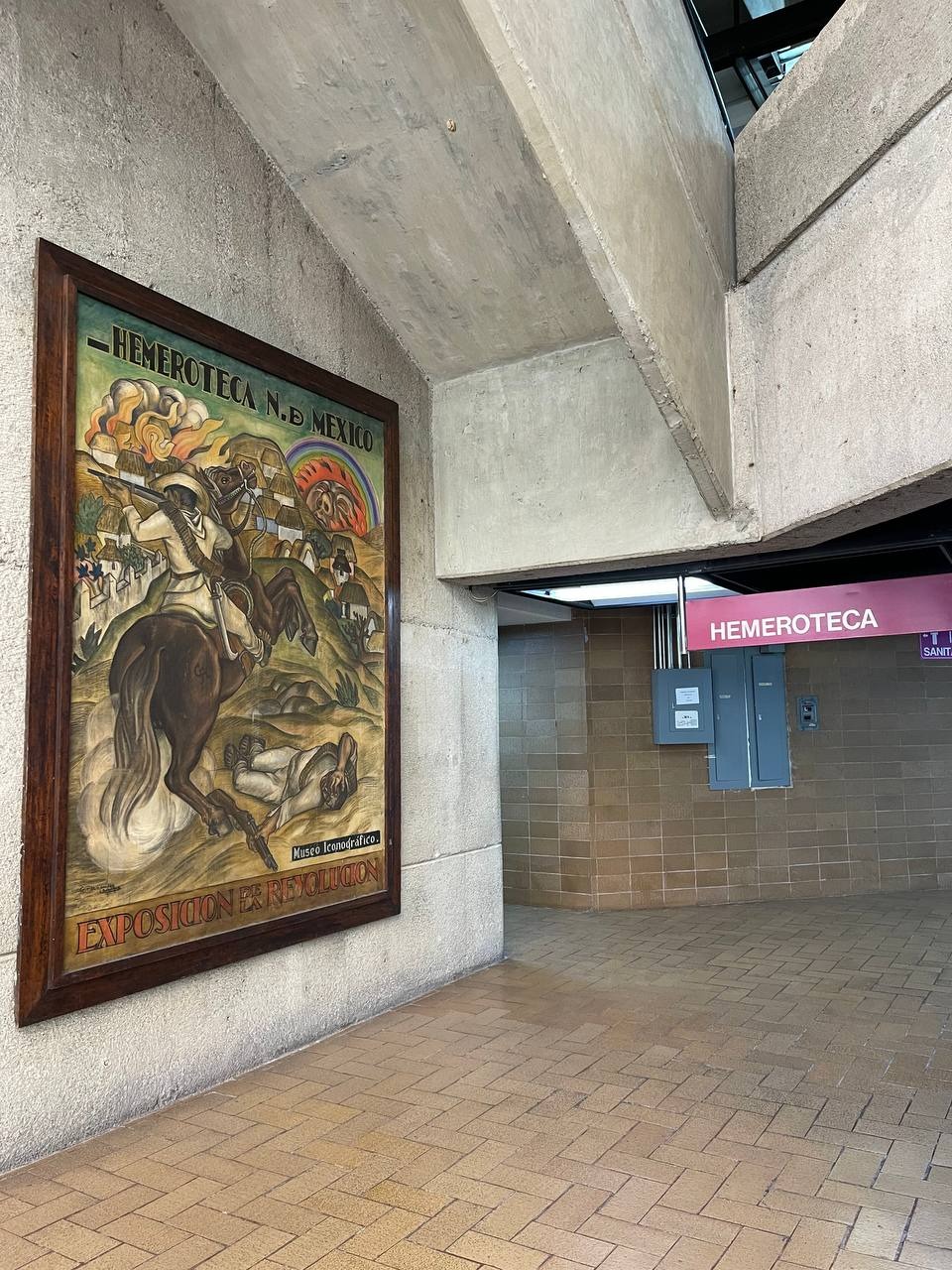
This was one of my main challenges. I began as a researcher, but once the archive was ready, the question became: how could I ensure its survival and make it accessible to everyone? How could this memory be institutionalised? First, I founded a civil-society organisation and tried to develop it as an institution. After four years, however, I realised this was not the right path. It was not my calling, and I did not have enough time to give the archive the structure and official status required for national recognition and reliable preservation. I began looking for ways to make it “official” and systematic. The process is now approaching completion and will probably take another month, so I do not want to jinx it. Most likely, the archive will be taken over by Mexico’s National Newspaper and Periodicals Library at the National Autonomous University of Mexico. The institution will assume responsibility for continuing to expand the archive, and it will become accessible to anyone who wants to study the work of these journalists.
That is exactly what I am asking about. Ukraine has recorded 245,000 war crimes. It is an enormous body of data, covering everything from executions and killings to the destruction of buildings. Journalists understand the importance of documentation, but we also see a problem: many projects launched during the emotional surge of 2022 have gradually faded. You visit a website and find that the most recent item was published in 2023. How can these scattered initiatives be brought together within a single institution that can genuinely become a systematic archive?
That is an extremely difficult question. I also began as a researcher and gradually understood that independent civic initiatives often run up against limits of time and resources. Long-term preservation requires an institutional home with official status and the capacity to protect the archive. While you are searching for that path, it is important not to scatter your efforts, but to focus on academic or national institutions capable of carrying the responsibility for preservation forward for decades.
On the question of trust, your archive includes 84 journalists. That means working with dozens of families, each carrying profound trauma. How do you cope with the emotional burden, and how do you build relationships with people who withdraw or are afraid to speak but still need support?
It is extremely delicate work. I was not personally in contact with all 84 families; some of the material was collected online. But those with whom I did establish contact often found in me someone who genuinely cared. Everything depends on balance. Some families have maintained close relationships with us for years, while others remain closed off by grief for a long time. In 2018, I approached one family and they categorically refused to cooperate, regarding the matter as private. Only six years later did they contact us themselves, ready to share what remained. This shows that building trust is a marathon. At the beginning, my position as a researcher at Columbia University helped; it functioned as a kind of mark of credibility. When you are an independent organisation, people are sceptical, and that is entirely understandable. I hope that once the archive is under the care of the National Autonomous University of Mexico, that scepticism will diminish because official status will give families a sense of security.
Let us return to the idea of the “perfect victim.” Families often want their loved ones to be remembered as flawless investigative heroes. But life is more complicated, and sometimes a killing did not occur within a conventionally “heroic” context. How do you approach this narrative in memorialisation?
This is a matter of principle. I am convinced that journalists do not need to be “perfect” to be courageous. They do not need to be “perfect victims” to deserve respect. When I speak with families, I am always honest: “I want to understand this person, the conditions they faced and the way they worked, but I will not try to idealise them.” Most worked in small towns where the mayor was connected to corruption or organised crime and where they were constantly threatened. The fact that they continued to work under those conditions is, for me, enough to honour them. Whether they had another business or whether their journalism lacked polish does not matter. Their lives are what matter. I try to explain to families that telling the truth about their actual work is the best way to build trust in the project.
Have there been cases in which relatives tried to influence the archive, for example by asking you to conceal or change something? The archive has a strict structure, but interpreting the life of a murdered person is always sensitive.
It depends on the situation. My work has two parts. The archival work rarely encounters these problems because it involves no interpretation or storytelling. We simply find the journalist’s materials and digitise them. There is little room for debate: the work was published, and it must be preserved. The situation changes when we move into storytelling and investigative reporting about these people. Relatives sometimes ask us to remove certain details. If the issue is strictly private — once, for example, I was asked not to mention that a mother’s colleague had also been her romantic partner — I can accommodate the request and simply write “her colleague.” But if the request concerns public life, such as concealing that a journalist ran for mayor, I say no. That is public information and important for understanding her role and the context of the case. It can be difficult because I understand the family’s pain, but the truth about a person’s public activity is fundamental to our project.
How does your work fit into the wider Mexican context? There were very few investigations under President López Obrador. Have you seen any change under the new president, Claudia Sheinbaum? Or does Mexico remain just as deadly for journalists?
I would say the situation has changed very little because these are predominantly local crimes. National protection programmes find it extremely difficult to influence local dynamics. If the federal government were interested in recreating the local mediation programmes we discussed, that could change the rules of the game. For now, however, things remain largely the same. One point is crucial, especially internationally: violence in Mexico is often connected to collusion between local authorities and organised crime, rather than to cartels acting alone. Sinaloa is currently experiencing what is effectively a local civil war. The danger there is critical, yet violence specifically against journalists is not as high as it is in Veracruz. This suggests that the key problem lies in the corruption of local politics. In Mexico, people increasingly speak of “zones of silence” — entire states where independent journalism no longer exists.
You mentioned attempts to contact Meta to recover materials. What role do you think technology giants should play in this process? We tend to think the internet preserves everything forever, but your experience shows that materials can disappear in an instant.
Materials disappear in two main ways. The first is mundane: after an author dies, nobody pays for the domain, and the website simply dies. The second involves social media. Materials are often removed because someone anonymously reports them as “offensive” or as violating Meta’s rules. We do not know who does this — the killers or people acting on their behalf — but it works. The problem is that Meta’s algorithms do not understand the specific nature of journalism in different countries. Sometimes people write about corruption or officials stealing wages, and their posts go viral. Meta itself may suggest that they open a public page because they are becoming public figures. Yet the company has no special policy to protect such journalists. If Meta had a deeper understanding of citizen journalism in Mexico, it could automatically memorialise these pages or shield them from coordinated reporting campaigns. Until that happens, we are fighting both killers and algorithms of forgetting that erase evidence as soon as an author stops paying for hosting or receives an anonymous complaint.

I think a great deal about platforms and the online environment. Can they really be considered responsible actors? It often seems they simply do not care, especially when smaller countries are involved. You can keep knocking on their door, but if the issue is only one case from Malta or another country, they may never respond. To conclude, how can memory be preserved in a way that also keeps it alive? How can it become meaningful to a broad public rather than only to data researchers?
This is a question I work on constantly. I have tried two main strategies for reaching a wider audience. The first is a narrative podcast. We produced an investigative season using audio recorded by the journalist himself during Facebook livestreams, including the story of his own murder. We did not turn it into true crime; we told a compelling human story. Listeners became absorbed as if they were following a strong drama series, and by the end they realised they had just learned an important lesson about freedom of expression. We did not lecture them; we drew them into the story. The second strategy is university workshops combining group listening sessions with discussions about democracy, security and risk. Hundreds of students have taken part. We also published an oral-history book that can be held, leafed through and physically experienced. I still have other ambitions: museum exhibitions in which archived Facebook pages are projected onto walls, allowing visitors to see the world through a reporter’s eyes, or even children’s comics. These could show that a journalist may be an ordinary person who drives a taxi while also publishing a newspaper. It is a way of demystifying heroism.
I hope you can realise these ideas without rushing. The most important thing is not to pressure yourself with the feeling that everything must be done immediately. You have already achieved remarkable work, and it creates a foundation for what comes next. I often refer to your experience at conferences. Ukraine is now facing a similar problem: Russia is holding journalists from hyperlocal outlets in towns whose names much of the world has never heard. Perhaps this is the greatest challenge. There is a dangerous “hierarchy of legitimacy” in journalism, in which the life of a reporter from a major metropolitan media organisation appears more “important” than that of someone from a remote village. Again and again, society searches for excuses: “Was he really a journalist? What else did he do?” When I worked with colleagues in Gaza and other conflict zones, I saw the same reaction. People look for a reason why a killing “might have happened.” Your experience, like mine, shows that every story deserves to be preserved, regardless of whether it is perfect. We should not wait for Meta’s permission or the world’s approval to remember our own. Our task is to make these human stories so vivid that they cannot be “deleted” or simply forgotten. Thank you for this conversation and for the sense of solidarity across continents. It genuinely gives us strength to continue.
This publication was produced with the support of the Partnership Fund for a Resilient Ukraine. Its contents are the sole responsibility of Public Interest Journalism Lab and do not necessarily reflect the position of the Programme and/or its financial partners.