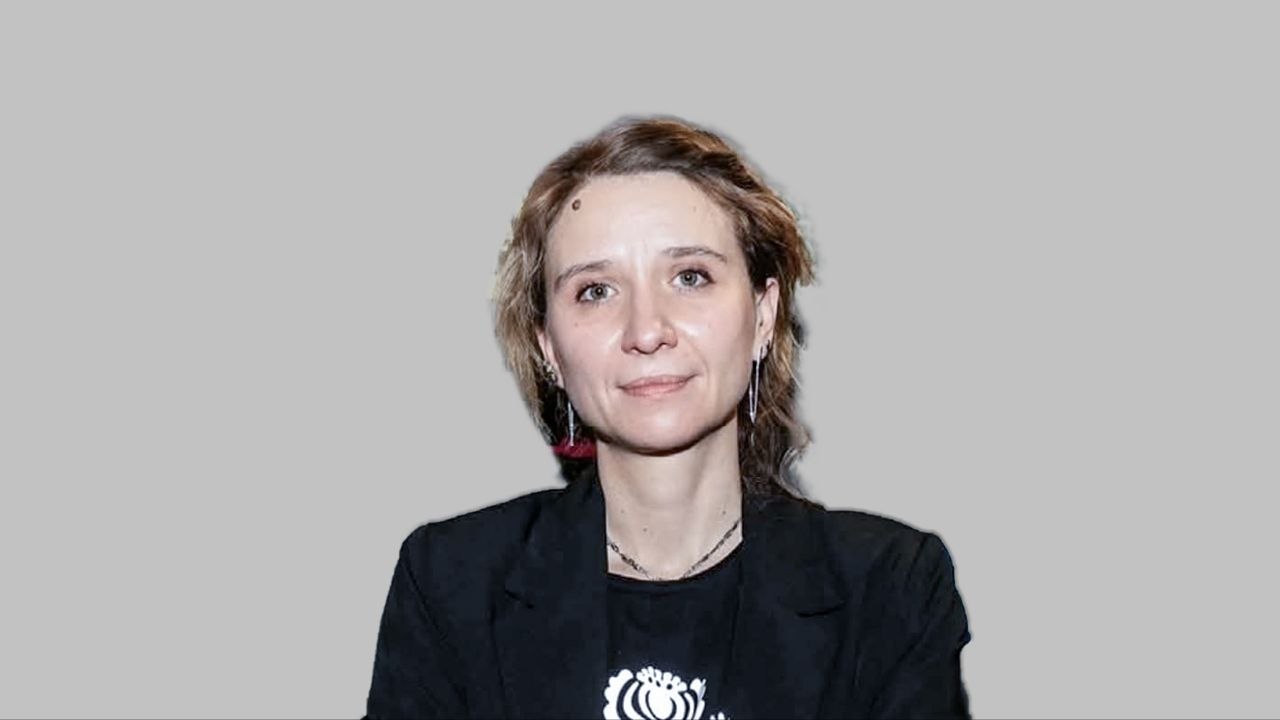
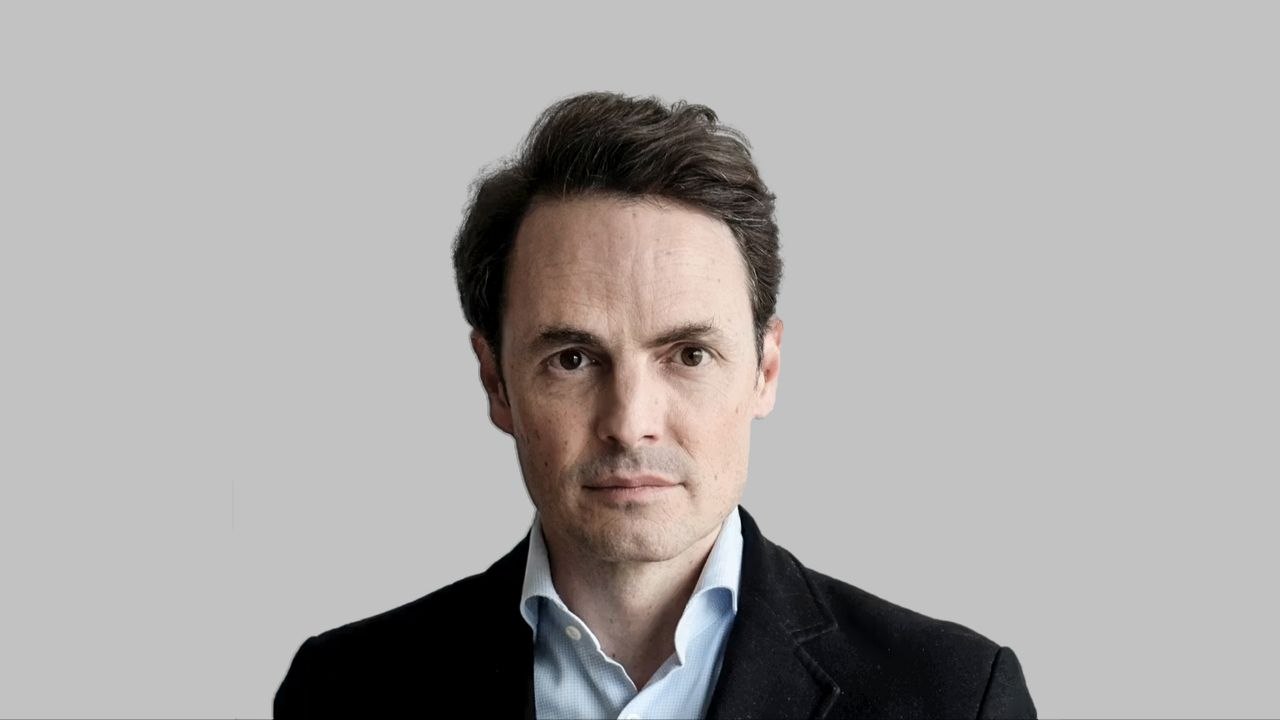
«Ukraine is Already Fulfilling One of NATO’s Key Functions»— Fredrik Wesslau on Deterring Russian Aggression
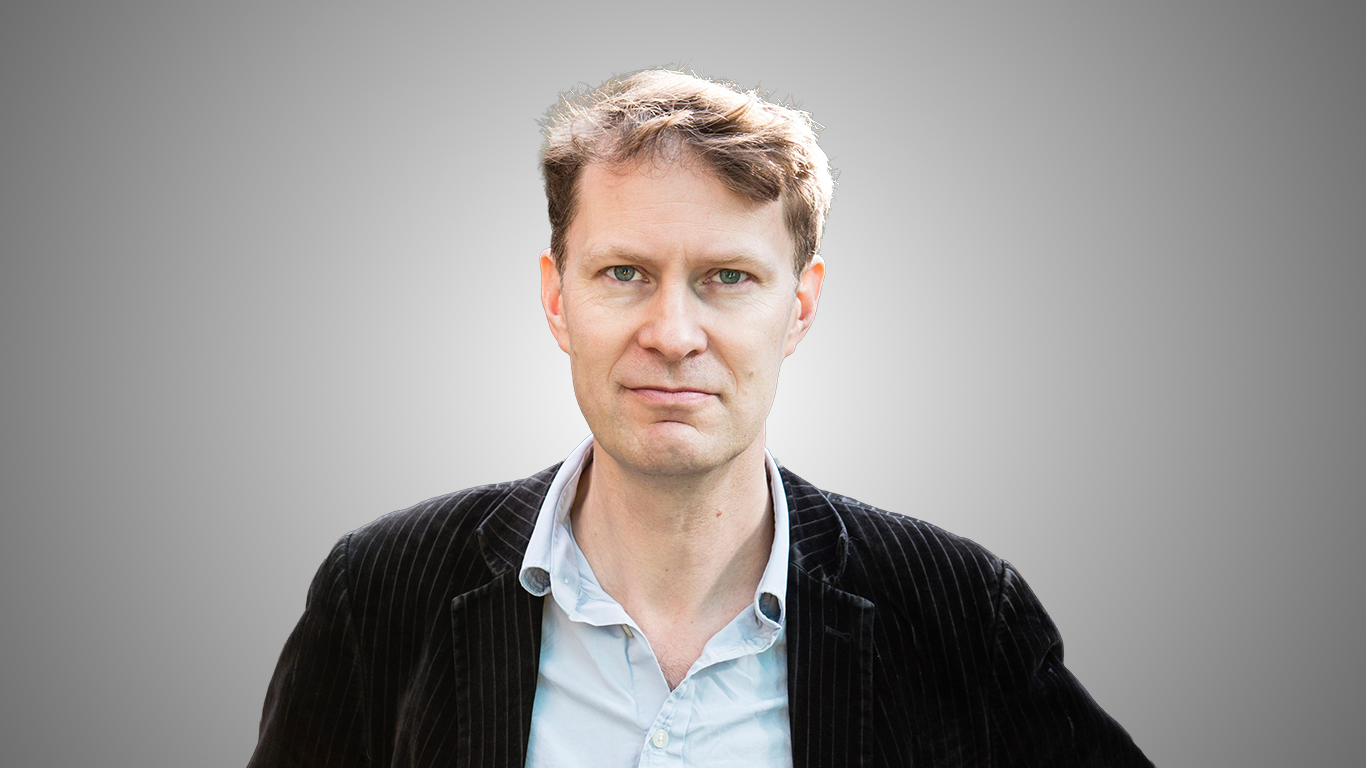
Ukraine will not become a full member of the EU by 2027. However, the coming months may reveal creative solutions to break the deadlock in the accession process. This view was shared by Swedish diplomat Fredrik Wesslau, Acting Director of the European Policy Institute in Kyiv (EPIK). While Hungary, under Viktor Orbán, has long blocked Ukraine's progress, the victory of Péter Magyar’s opposition party, Tisza, in parliamentary elections may shift Budapest's stance. Discussions are also underway regarding «partial membership» for Ukraine before all reforms are finalized. «I used to believe Ukraine’s EU entry must be accompanied by NATO membership. Now, the situation has changed», Wesslau stated, noting that by deterring Russian aggression, Ukraine is already ensuring European security.
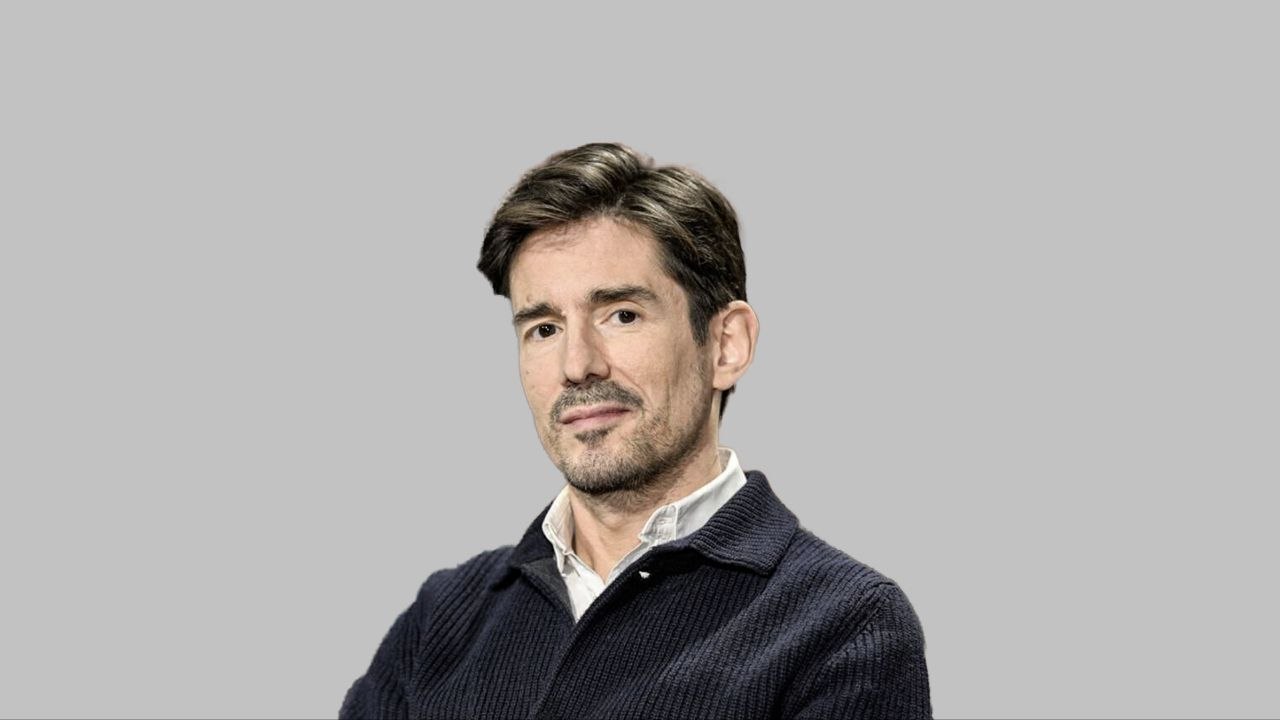
In the podcast «When Everything Matters», journalist Nataliya Gumenyuk speaks with Fredrik Wesslau about new EU expansion solutions, the Minsk agreements as a Russian trap, the roots of Sweden's high support for Ukraine, and the long road to justice and security sector reform.



Fredrik, I want to give you due credit. I know that creating the European Policy Institute in Kyiv (EPIK) was your idea. Why is it unique to establish a European think tank specifically in Ukraine, and why is this idea so close to you?
Thank you, Nataliya. EPIK launched on March 31, but the concept originated years ago during my time at the EU Delegation in Kyiv. We saw a problem: there were very few European experts «on the ground». This created a vacuum in both the expert community and the media. There was a lack of understanding of the Ukrainian perspective. I participated in many conferences where people who had never been to Ukraine spoke about it. That is a serious barrier to quality analytics.
Ukrainians might not feel this deficit because we see more foreign guests than 20 years ago. Is this a «bubble» compared to the broader environment of European think tanks?
Partially, yes. While Ukraine gets more attention now due to the full-scale invasion, once you travel to Europe, you realize the lack of deep understanding persists. Many Western experts started with «Russian studies». Even with sincere sympathy, their vision is often framed by a «Russia-first» paradigm. Our goal is to dismantle this lens and form a Ukraine-centric approach. We focus on two areas: European integration/reforms and security/defense policy. We want to amplify the voices of high-class Ukrainian specialists in European capitals. We also have a residency program where experts from Europe come to Kyiv for periods ranging from a week to a year.
You’ve mentioned that things in Brussels aren't as bad as they seem. You wrote for Foreign Policy about «partial membership». What does it mean to be «creative» in this process?
In April 2022, French officials told me, «Forget about candidate status». Yet, Macron and others made a bold, revolutionary decision to grant it. The current expansion methodology was designed for countries like Sweden or Finland, not a state of Ukraine's scale during a war. Full membership by 2027 is unlikely, but we propose a «half-membership» model. Under this model, an accession treaty is signed now, elevating Ukraine to a new level of candidacy. During a transitional period, Ukraine continues reforms but gains access to strategic funding and joins specific EU sectoral bodies as an observer or with voting rights in certain areas. Membership stops being an «all or nothing» binary and becomes a system of intermediate incentives.
Europe worries about a «democratic rollback», citing Hungary and Slovakia. How can we address these concerns beyond just fighting corruption?
The «Hungarian case» is a major concern. Hungary is often seen as Russia’s «Trojan horse» in the EU. Even if Ukraine fulfills all criteria, the risk of regression remains. We need mechanisms to prevent this — perhaps an automatic limitation of voting rights in case of a democratic rollback. While I am convinced Ukraine has a solid democratic foundation, safeguards are essential to ensure this scenario isn't repeated.
Regarding security, integration into NATO usually precedes the EU. But now the «EU for economy, NATO for security» split seems too simple. How do you see the security dimension?
I used to think the EU wouldn't accept Ukraine without a US security umbrella. But with Trump’s return to the White House, Europe can no longer fully rely on Washington. We should bet on flexible, situational coalitions. Interestingly, Ukraine is shifting from a security consumer to a security provider. Your experience with drones is unique. Ukraine could «slide into» European security mechanisms by offering guarantees to others — for example, to the Baltic states. If Russia targets Narva, Ukraine could play a decisive role.
Why is Sweden in the vanguard of support for Ukraine?
According to Eurobarometer, Swedish solidarity often reaches 97%. First, there is history: Sweden fought about eleven wars with Russia. We share Ukraine’s risk assessment. Geography also matters: Gotland is our Crimea. Controlling it means controlling the Baltic Sea. But the biggest factor is values. Sweden is deeply committed to the rule of law and sovereignty. What Russia is doing in Ukraine touched Swedes on a deep, ethical level.
You mentioned Ukraine already fulfills a NATO function. How does the «dronization» of the economy fit into this?
Ukraine has the largest land army in Europe — nearly 900,000 troops. You already handle NATO-standard weapons better than many. Your «dronization» is a path of decentralized «bottom-up» innovation, which proved more effective than Russia’s Soviet model. Europe has much to learn here: «Dronization without militarization» — integrating the civilian sector into defense without turning society into a military machine.
You were part of the EU Advisory Mission. We spent a lot of time on the Minsk agreements, which turned out to be a «trap». What lessons should we carry into future negotiations?
Trump’s «peace efforts» look more like Kabuki theater — a performance imitating negotiations. Russia isn't interested in a ceasefire; Putin believes in victory. Ukraine must play along to not alienate Trump, ensuring that when negotiations fail, the blame falls on Moscow. The lesson from Minsk is that Russia creates a complex technical framework that distracts everyone from the main point: the annexation of Crimea and the invasion of the East. We cannot let technical details obscure the essence: Russia is an aggressor occupying 20% of the territory.
You helped create The Reckoning Project. How do you see the path to justice?
Justice is often the first thing sacrificed in political bargaining. My advice: keep the work quiet and systemic — collect evidence, pursue cases, create a special tribunal — but do not make it a subject of political trade. The path to justice will take decades, like the prosecution of Nazi camp guards today. It must be distanced from ceasefire talks.
On institutional reform: we created «clean» anti-corruption bodies (NABU/SAP) outside the old system. Now there is institutional tension with the Prosecutor General’s Office. Was this «outsider» model the only way?
It’s a dilemma: reform old institutions or build new ones? In the Baltics, it was easier to dismantle the old. In Ukraine, during a war, radical dismantling could destabilize the state. We’ve had successes like NABU, but also challenges like the SBU — a giant that is hard to change from within. Creating endless new bodies leads to jurisdictional conflicts. This is a challenge we are still drawing conclusions from.
A personal question: You lived in Kyiv with your wife, Katya (a Swedish diplomat), and children. Then the war started, and you became «refugees» on a sofa in Stockholm. Why is Ukraine so personally important to you?
In late 2021, we couldn't believe the invasion would happen — it seemed too absurd. I was responsible for evacuating the EU Mission, but I was also constantly rebooking tickets for my own children. This war is deeply personal. When you live through such events, they are etched in your memory forever. We have friends who went to the front, and friends who died. It’s not just a job anymore. This is about my home. I am convinced that the future security of Europe is being decided right here in Ukraine. That is why I am so glad we created EPIK here.
Thank you for this sincere conversation, Fredrik. Congratulations on the launch of EPIK.
Thank you, Nataliya. All the best!