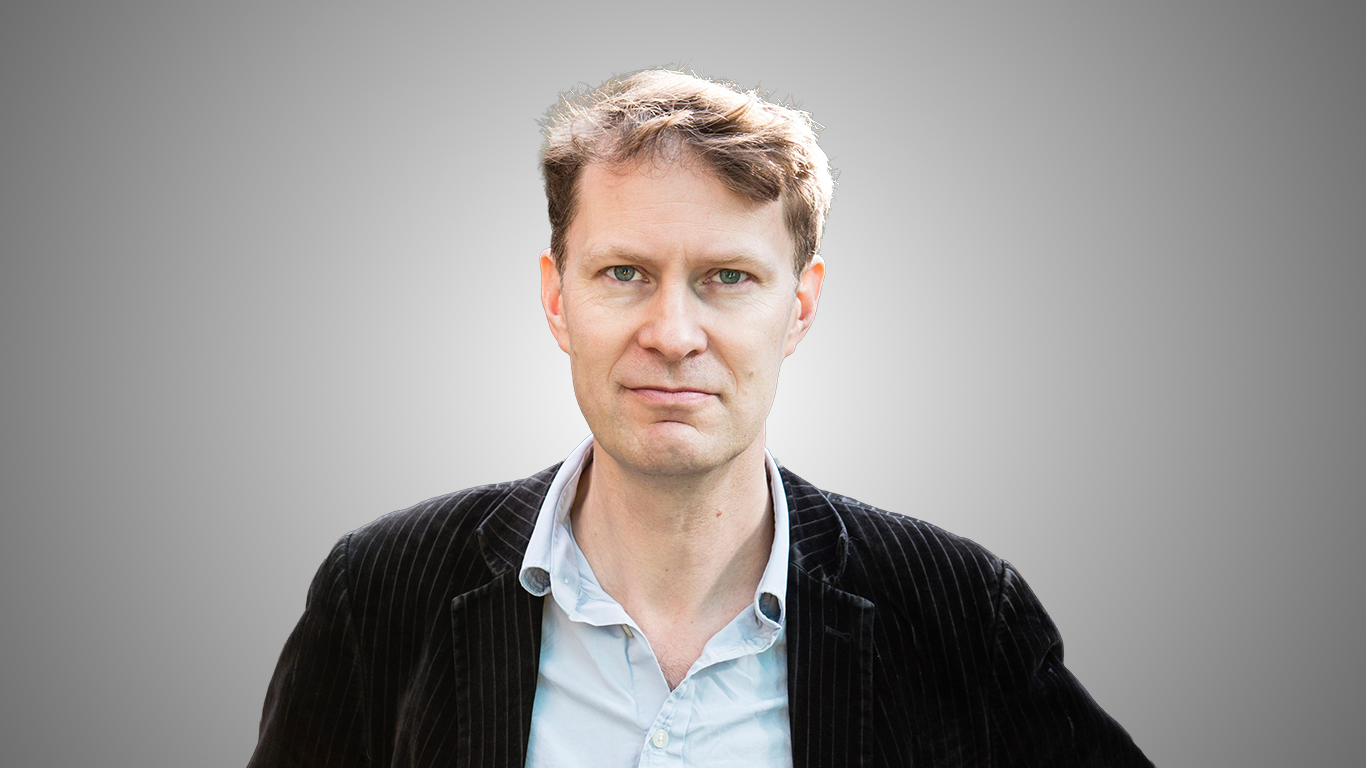
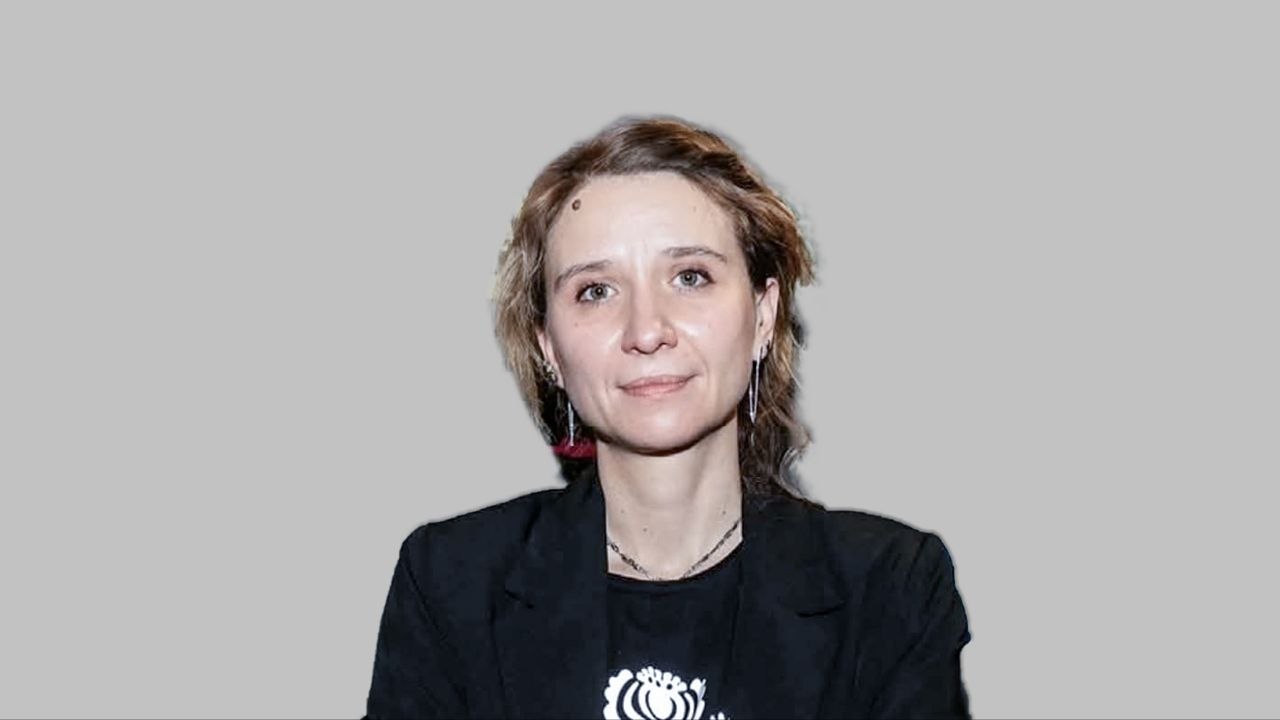
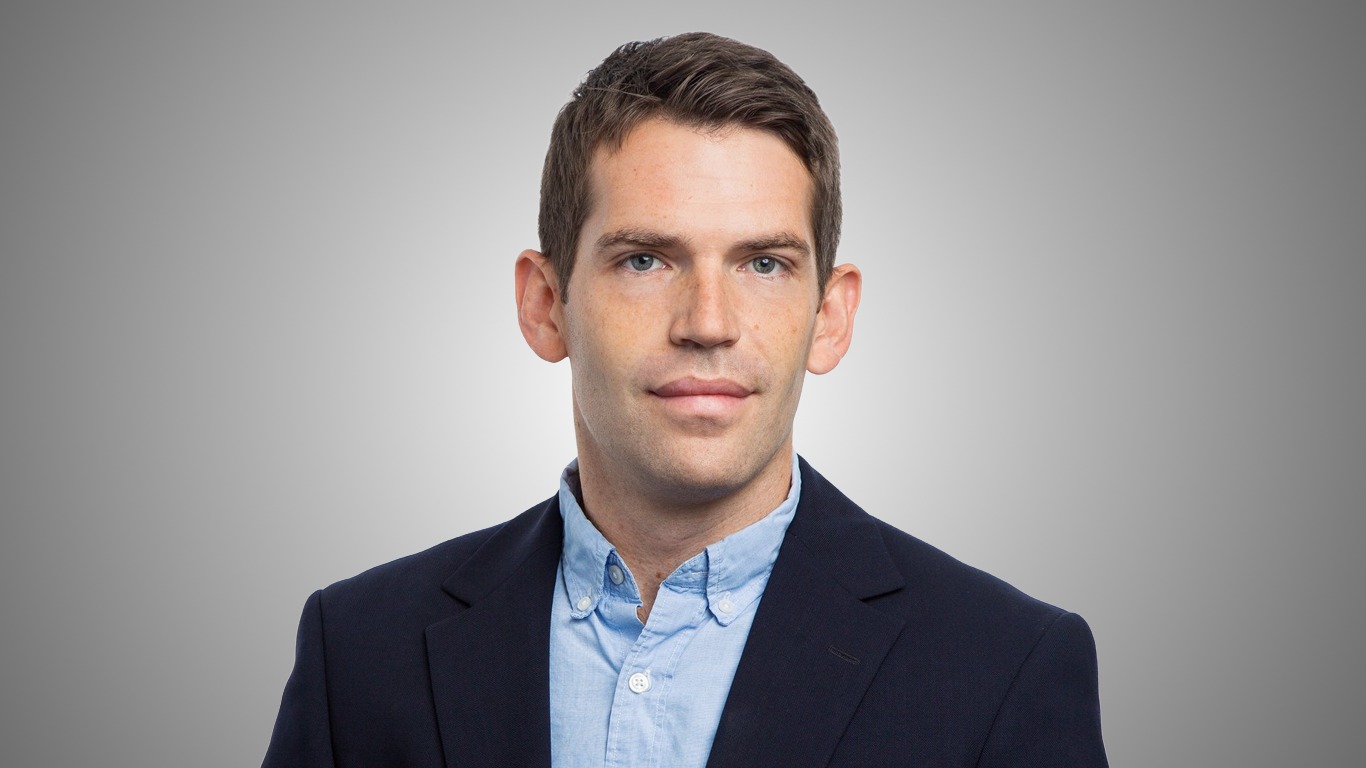
“The process is unfolding behind the scenes of talks between Ukraine, the US and Russia” — Oliver Carroll
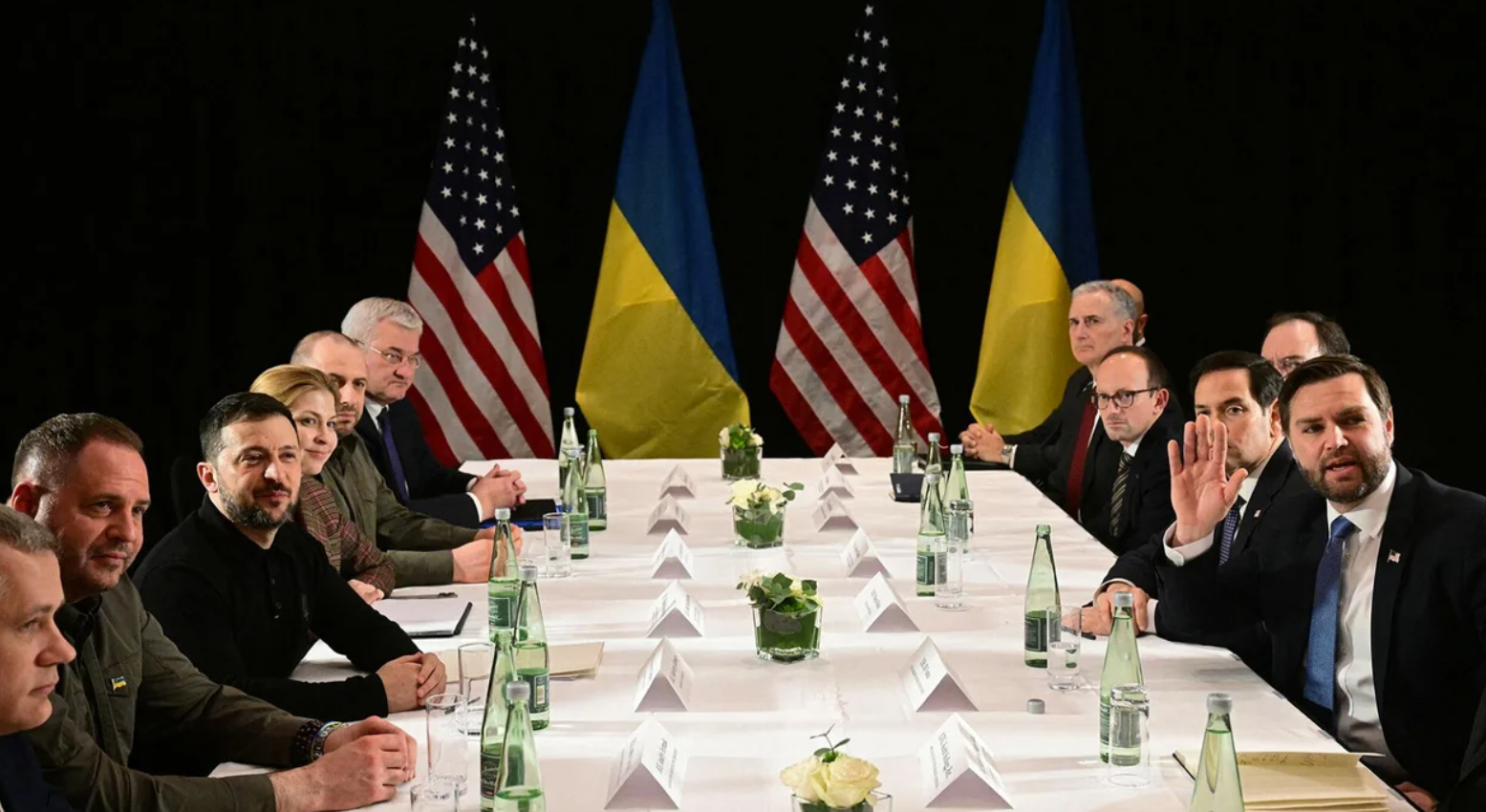
The latest meeting within the framework of the trilateral peace talks took place in Geneva on February 17–18. Because of the US-Israeli military operation against Iran, the next round of negotiations has already been postponed several times. The Americans are proposing to meet in the United States. Russian representatives are refusing to fly to the US and are instead suggesting Turkey or Switzerland, which does not suit the American delegation. Ukrainian President Volodymyr Zelenskyy called the process of agreeing on a venue a “Santa Barbara” and said that Ukraine is ready to fly to any of the proposed countries. Until recently, some of the negotiators felt that a breakthrough in these talks could come as early as March or April, says The Economist journalist Oliver Carroll. One of the calculations, among other things, was based on problems in the Russian economy. These could have influenced Vladimir Putin and his willingness to end the war. However, because of a series of events both in Russia and in Ukraine, as well as in the world more broadly, that scenario is becoming increasingly illusory. According to the journalist, through unofficial channels Moscow is signaling that it will once again push maximalist demands, while Kyiv is moving to plan B — making the country more resilient so that it can sustain a long war.
In the podcast When Everything Matters, journalist Angelina Kariakina speaks with Oliver Carroll about what is happening behind the scenes of the negotiations, whether Europe and the United Kingdom can become parties to the talks, what all participants in the process keep in mind, and how the British correspondent sees present-day Russia.


Hello, Oliver! Thank you for coming. Let’s start with your work, particularly your articles about the negotiations, which in recent weeks have become one of the main topics of discussion. You write a lot about Ukraine, but this issue is now at the center of attention. Why do you think your piece on the talks caused such a stir?
I’d like to believe it was because of the quality of the analysis, but the reasons run deeper. I only write when I feel there is a genuine need. At The Economist, we do not write about things simply because space has to be filled, and that is our advantage over daily newspapers. I think the point is that initially this was “raw” information for a newsletter, not an article. But because of the huge response, we republished it. Ukrainian media quickly picked it up because it appeared at a moment of an information vacuum, offering specifics and context. It seems to me that people are now trying to find a key to interpreting all this noise surrounding the negotiations. The process looks very “Trumpian”: chaotic and unpredictable. We see constant swings and contradictory signals. I think it was precisely this demand for new, clear information that created such resonance.
Let’s go a bit deeper into the details. By the time this episode comes out, the situation may have changed again, but right now the media are mostly discussing the thesis of “two approaches” within the Ukrainian government. One is associated with Kyrylo Budanov — a push for a fast track — while the other, more conservative one, is associated with Andriy Yermak. But where do these negotiations actually stand now? Is there any hope for a ceasefire in the near future?
At the beginning of February, there really was a sense that a breakthrough — or at least a technical pause — was possible. But the mood changed abruptly. One event illustrates this well: the recent YES conference in Kyiv. Its program had been built around the theme of “bringing peace closer,” but just days before it began, everything was rewritten. The new focus was “war without end” and how to learn to live through it. Last week, a round of negotiations was supposed to take place in Istanbul instead of Geneva. This was meant to be the final “technical” stage before a meeting of the leaders — Trump, Putin and Zelenskyy. But all the critical issues remain open: the borders in Donbas, the fate of the Zaporizhzhia Nuclear Power Plant, the format of a demilitarized zone, and above all whether the Kremlin can be trusted. All of this remains unresolved. But over the past month, the tone itself and the overall configuration of the negotiations have changed. When I wrote that piece, it seemed a breakthrough was possible. I spoke with people close to the Ukrainian negotiating team. They said Russia’s position on the hardest issue — territory — was that Ukraine should simply pull back and Russia would take control of the rest of Donbas. Ukraine’s position was to remain on the lines currently held by the Armed Forces of Ukraine. The Ukrainian side was showing considerable creativity. The Americans were trying to take some kind of middle position, which is why they proposed the idea of a free economic zone under three flags — Ukraine, the Russian Federation and the United States — under the auspices of Trump’s “Peace Council.” That would have created a direct American stake in the region’s security. Everyone was waiting for a signal from Putin. But it is important to understand the structure of these negotiations: the process is chaotic and deeply imbalanced. There is not much logic in it. There is a fundamental imbalance. Russia is effectively dictating the terms of moderation: they secured the appointment of the more loyal Steve Witkoff instead of Keith Kellogg, pushed Europe away from the negotiating table, and blocked security guarantees until the main agreement is signed. Although there is what the Americans call an Article 5-style agreement between the US and Ukraine, it still depends on Russia’s consent, because it would only be activated as part of a broader comprehensive deal.
But doesn’t it seem to you that this entire draft agreement, more than 20 points, is essentially a Russian script?
Not exactly. The text was constantly being rewritten. At first, Russian influence was dominant, but in January the situation changed, especially after Kyrylo Budanov injected momentum into the talks, essentially outmaneuvering the Russians by several steps. Then, after the Paris meeting, real understanding emerged between the US and Ukraine. It seemed that the Ukrainians were beginning to set the tone. But hanging over all this was Trump’s inability to extract concessions from Putin. It created the impression that Trump simply likes the Russian dictator, full stop. He even ignores sharp questions from journalists about oil or Iran. So that was the situation in January. In February, everyone was waiting for a signal from Putin himself. The structure of the negotiations was such that the Russian team always had a trump card up its sleeve, saying: “This is not Putin’s final position. You can reach an agreement with us, but we still need to take it back to the boss.” At a briefing in early February, I got the impression that Zelenskyy had received that signal. There appeared to be some openness to compromise, though there was no talk of surrendering territory under Ukrainian control. At the same time, the Ukrainian authorities began actively, though quietly, preparing for elections. There was a sense in the air of a March breakthrough and a quick vote. But then suddenly something broke. That strange Financial Times article appeared, suggesting that Zelenskyy would announce elections on February 24 — an idea that none of the real participants in the process understood.
Which, in the end, he did not do…
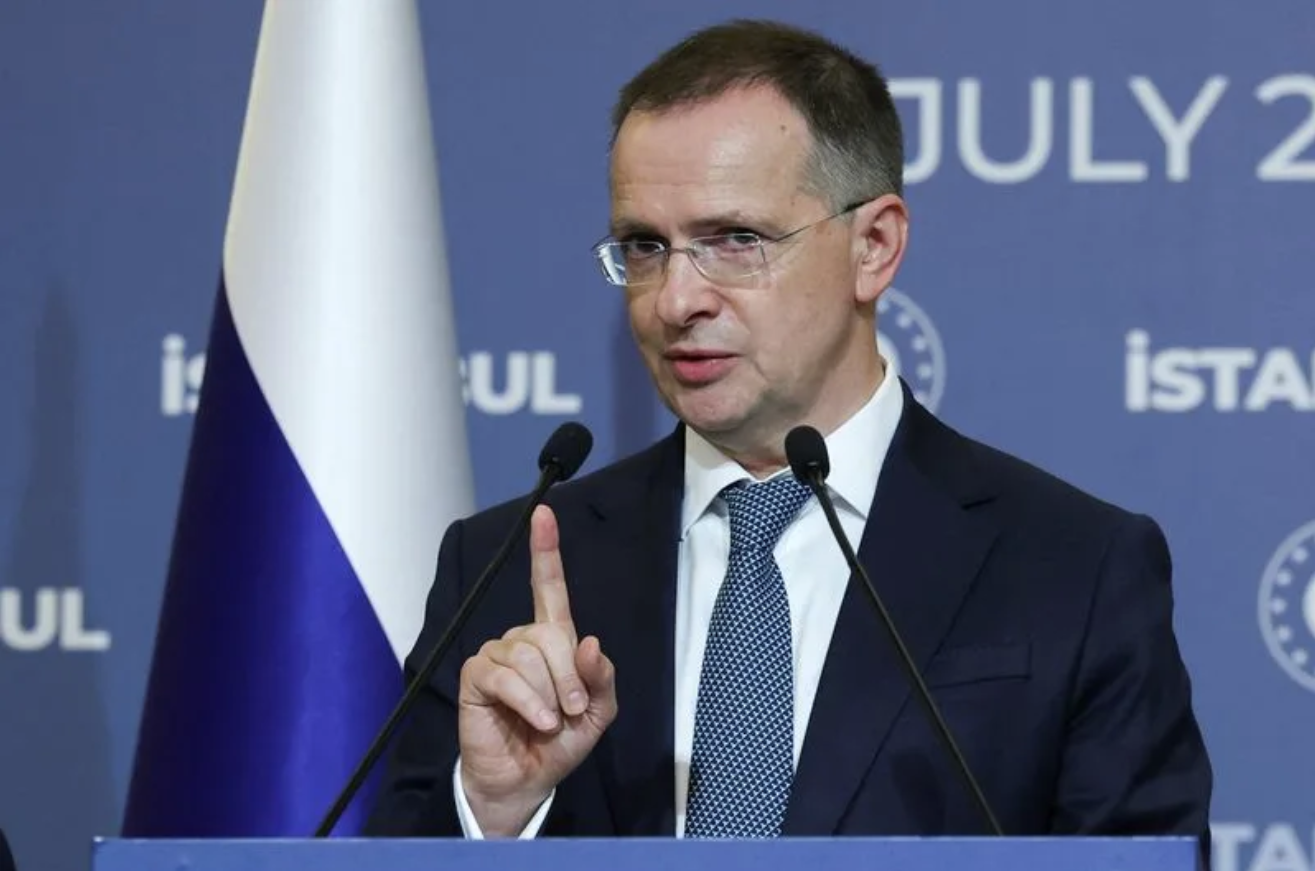
And that is worth emphasizing. The story about announcing elections on February 24 made no sense at all: no president would use such a sacred date for that kind of statement. It looked like someone was deliberately trying to slow the process down. And on the Russian side, in February there was an assassination attempt on a high-ranking HUR general who had been involved in informal channels of communication. Everything indicated that the process was moving away from real negotiations. As I wrote, Ukraine had always been calculating several steps ahead, without trusting Putin. This was about a pause, not peace, so two scenarios were being prepared. Plan A was rapid elections, under which Kyrylo Budanov would head the Presidential Office. Plan B was to play the long game and strengthen resilience. Given the news from the front, Zelenskyy chose the second option. Russia’s position also changed. The appearance of Medinsky, a radical fantasist, signals an intention to derail the process. Through unofficial channels, Moscow is already putting forward demands to reduce the size of the Ukrainian armed forces and limit long-range weapons, seeking to weaken Ukraine as much as possible. As for threats of escalation, the Russian Federation has few real levers left for that. We are now in a completely different place than we were a month ago.
The dynamics in these negotiations are absolutely wild, and in a month we may find ourselves in a completely different place. But that is exactly why I wanted to explain what really lies behind this agreement and the daily statements around it. We understand Russia’s desire to strip Ukraine of its agency, just as we understand our own desire to end the war on our own terms. But what does Trump actually want? On the one hand, he has become hostage to the promise of ending the war quickly, and the conflict with Iran has only added to his challenges. But it seems that behind the agreement Russia is pushing there is not only politics. Are concrete business interests, access to resources and future profits really being discussed within these arrangements?
This is where things become truly tangled. It is obvious that during the meeting in Alaska, Russia presented the idea of how Americans could become rich thanks to a new level of peaceful cooperation and business deals. But next to the word “Americans,” a note should be added: what is really meant is a specific list of people. What they are being offered, I would call strategic corruption — extremely attractive contracts for certain companies and perhaps even for the families of some politicians.
Who are also involved in the negotiations.
Yes. Reports have already surfaced about possible deals involving Nord Stream. Obviously, the figure of 14 trillion sounds absurd, but it fits perfectly into the American political circus: you need to name an eye-catching number to get Trump’s attention. Unfortunately, that is the reality now. The other question is whether they themselves believe these plans are realistic. I am not sure American negotiators understand how to get an agreement with such dubious business aspects through the Senate. I have spoken with officials in the United States: there are clear laws that prohibit spending federal funds on anything that does not recognize Ukraine’s territorial integrity. It is written there in black and white. Legally, it is a dead end.
Do you mean the clause under which the US could recognize Crimea as Russian, and not only Crimea?
Exactly. Any agreement on Donbas would require a vote in the US Senate, as well as complex legislative procedures in Ukraine, which makes it extremely difficult to turn such a rushed and opaque agreement into law and actually put it into effect. The overall picture today looks like this: Putin was offered a chance to stop the war in exchange for sanctions relief and profitable business arrangements. The calculation was that economic problems would push him to take a pause, but the Russian economy is still far from collapse. At the same time, we see that Ukraine’s economy is holding thanks to European support and is remarkably resilient, though comparing its resources to Russia’s is not appropriate. The calculation of those involved in the peace process, and of those who believed a deal might be possible in March or April, was that at the beginning of the year Russia showed signs of strain. This included, in particular, revenues from hydrocarbons, mobilization capacity, and broader economic problems. It was thought that these factors might force Putin to make difficult decisions and perhaps take a more decisive step in negotiations. One can debate how durable such a pause would have been. But it would have given Ukraine a chance. Because in the fifth year of a war, if you begin demobilizing people, it becomes very difficult to mobilize them again. At the same time, it creates a possibility for a longer settlement of some kind. It would also have made the war much more visible to Russian society as a whole, not just to the border regions. There is another point that people involved in the process raised with me. If Putin on February 24, 2022, had known what he knows now about the strength of the Ukrainian army, would he have dared launch the invasion? I think everyone understands that the answer is no. That is why the idea of a new invasion is an entirely different scale of risk, an entirely different level of chaos. That is what everyone fears. We have been watching this process for ten years now and have always remained skeptics. But still, it is that same hope, however small, against the backdrop of enormous global events now unfolding. Iran, China… The likelihood of a settlement is low. But if such a chance exists, and that is exactly what those actively pushing the idea of a deal believe, then it is worth taking. That is where we are now. I would like to be more optimistic, but it is what it is.
You know, I am not sure I personally need optimism from anyone at all. As a Ukrainian, what I need is realism. It is important to understand that only force will stop Putin, and Trump seems completely incapable of grasping that. He mistakenly believes a dictator can be bought, but this is not about money. Putin does not have to worry about electoral cycles or public dissatisfaction, and the state of the economy does not bother him. That is why the biggest mystery in this situation is how to force Russia to accept even some kind of agreement, because it will never do so voluntarily. The Ukrainian authorities, led by Zelenskyy, really are showing creativity in searching for a way out, but for the Kremlin everything is much simpler: they cannot be asked, they have to be compelled. There has to be an argument on the table that leaves them no choice. But right now, that argument does not exist. Ukrainians are doing their part, trying to make the war as painful as possible on the battlefield. But in everything else we are running into a solid wall of misunderstanding about how this regime works.
Even in the negotiating room. I think that is also part of the calculation of those who want to work with the Americans. It seems to me Zelenskyy learned the lesson painfully: you cannot afford to end up on the other side of Trump. I think most people assess this quite realistically. They understand that the chances of success are at most around 30%, and now probably even less. At one point, I would have said it was fifty-fifty. But whatever the probability, the main task is to defend your own interests, act carefully and with diplomatic cunning, meeting American expectations while preserving your agency. It is obvious that even within the US itself, and in the West more broadly, there are different views. Trump’s interest is a quick “dirty deal” for the sake of a Nobel Prize and the illusion of a grand peace. Washington’s strategic goal is to pull Russia away from China and return it to economic interests, which is why they are pressuring Ukraine with ideas of referendums and elections. But not everyone in the West thinks that is a good idea. As I understand it, in the United Kingdom and in Europe the view is that, at least over the coming year, their interests are better served by the continued weakening of Russia, both economically and militarily. Europe has no interest in an immediate end to the war, because a quick peace on Moscow’s terms would only increase security risks for the entire continent.
If the war in Ukraine stops?
I do not think Putin would want to directly test NATO’s Article 5. He would rather try to play with its limits. But for Ukraine, the calculation looks different. Ukrainians are suffering too deeply. Living in Kyiv, I see the cost of every loss. I understand what the edge of exhaustion looks like, when a soldier has spent four years without rotation at the peak of his capacity — there comes a point when the body simply breaks. It is obvious that Ukraine’s capacity for endurance is smaller than Russia’s, regardless of the situation on the battlefield. Recently, Ukraine has had successes, particularly in destroying enemy infantry. But the question is different: if there is a chance to end the war, or at least to pause it earlier, is that in Ukraine’s interest? I do not have an answer to that question. I think Ukraine itself has to decide. At the same time, this conversation seems far more balanced than an approach in which US policy is dictated exclusively by Trumpian logic, while Europe’s position is shaped solely by its own strategic interests.
In fact, that was exactly one of my next questions. Do the West, Europe and the United Kingdom have the capacity to become part of this agreement? We see that Zelenskyy is doing everything possible to bring Europeans back to the negotiating table, but it seems to be in vain. What is the main problem here? You have partly answered this already, but if we are talking about leadership, then it is objectively lacking. Except perhaps for Macron, who at least at the level of rhetoric is trying to become part of the solution.
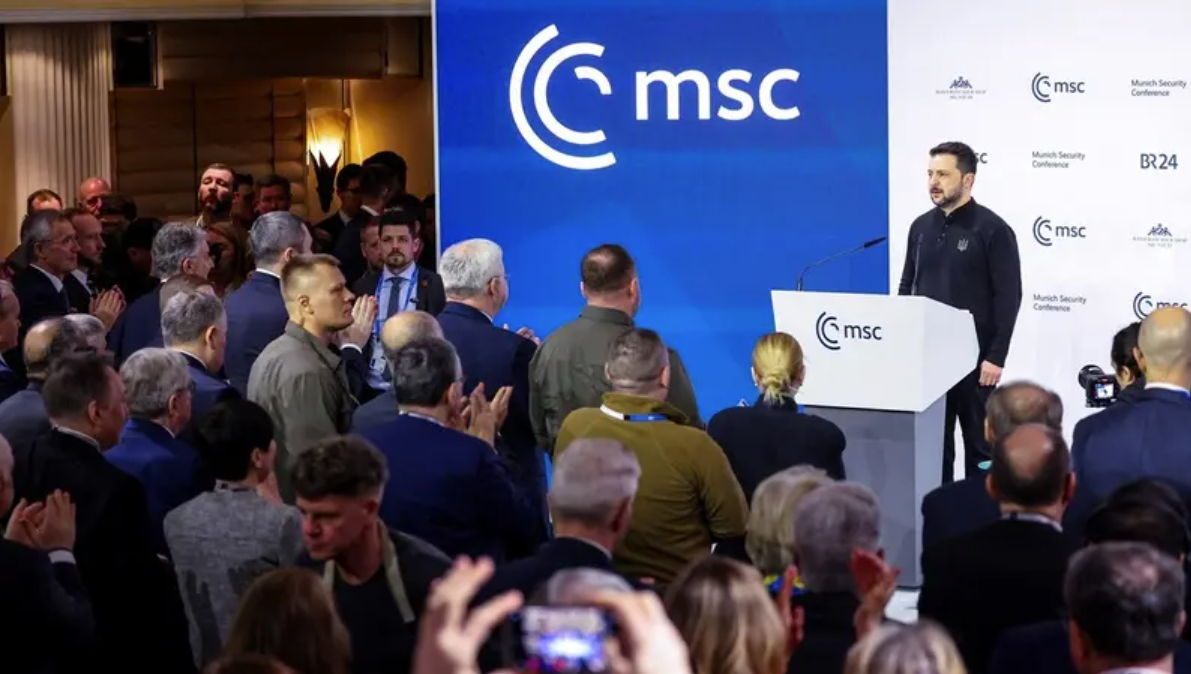
Europe and “being part of the solution” are usually two phrases that do not go together well. Relations between Zelenskyy and Europe are fairly complicated. Part of this has to do with the president’s own style. To put it as gently as possible, he expresses himself very openly and emotionally. At times he does things that some people may see as too direct or too sharp. I think this is also partly connected to the fact that the team is exhausted after four years of war. To some extent, this is a consequence of that exhaustion, which produces a diplomatic manner that is not exactly conventional. In many cases, it is really about emotions. For example, some of the points in his speech at the Munich Security Conference were received ambiguously in Europe. In part of Europe, concern is growing because of the sense that Zelenskyy is tying his own political future too closely to the fate of the entire country.
Which part of Europe do you mean exactly?
The cult of Zelenskyy is perceived differently in different countries. In the United Kingdom, he still has the image of a Churchill-like leader, whereas Germans look at the situation much more realistically. Between those positions there is a whole spectrum of different views. But the speech in Munich was seen as poorly judged. It happened at a moment when Europe was trying to fend off American pressure over Greenland. When the message essentially came across that Europe was nothing, that it was not even worth the suits in which it had arrived, while Europe, however imperfectly, had been sending Ukraine a great deal of money, that was seen as a very unfortunate position. Yes, greater clarity is gradually emerging about the democratic situation in Ukraine, which is complicated, as it is in any country at war. If the conflict drags on, renewing the government’s legitimacy will become extremely difficult. Earlier it was obvious that Ukrainians did not want elections during active hostilities, and Zelenskyy acted as the uncontested leader of his people. But if the war continues and the losses increase, another question will arise. It is impossible to indefinitely preserve a situation in which only 20–30% of the country is actively engaged in the war. In such conditions, avoiding authoritarian tendencies and finding mechanisms to renew democracy will be one of the biggest questions Ukraine faces this year.
We do not have much time left, but I really wanted to discuss Western media coverage of Ukraine. You have been in this field for a long time: you saw the beginning of the aggression in 2014, worked in Moscow, and witnessed many of the region’s key events. After 2022, the situation changed dramatically. Most Western journalists left Russia, and many are now based in Kyiv. From what you have observed, how much has this “relocation” and shift in focus changed the quality and depth of Western media coverage of Ukraine?
The approach of Western media is changing because the industry itself is under enormous pressure. We can see this in the example of The Washington Post: fewer and fewer resources are being invested in foreign correspondents. But events in our region are precisely what demonstrate the critical importance of an outside perspective. Despite the excellent work of local media professionals, an outside observer brings unique value. A well-informed foreign correspondent can gain insights unavailable to local journalists and compare what is happening here with what is happening in the US, the United Kingdom or elsewhere. If we are talking about how Western media changed their coverage of the region, the main shift is obvious: for the first eight years of the war, it was considered normal to cover Ukraine from Moscow. I myself was between two camps — I lived and worked in both countries. I would like to believe that I cannot simply be dismissed as a typical “Moscow correspondent” who does not understand the Ukrainian context.
No, that would be unfair.
Although of course some people do try to do that. But the criticism was absolutely justified when journalists with a Russian background came to work in Ukraine, which is a completely different world.
Of course, it is a different country.
Just as Russia is a very complicated country, Ukraine is also extraordinarily complex and fascinating to cover simply because so many competing interests exist here. You have to understand who is saying what and for what purpose. The narrative here much more often becomes a subject of dispute, and in Ukraine far more processes happen below the surface.
Do you mean the situation after the full-scale invasion?
No, I am speaking more about the period before that. When journalists left Moscow, it became obvious: you cannot cover Ukraine from there. Now the situation is the mirror opposite — Moscow can be analyzed from Ukraine, but through a different optic. I have just come from a coffee shop: instead of a decorative fireplace, the screens there were showing the Kremlin in flames. That captures very accurately the mood that prevails here now. So the situation has changed. Ukraine has returned to the media agenda, although peak interest has already passed. Now we focus on stories that offer a new angle and forecast the future. People know more about Ukraine, but the level of ignorance is still high, especially because of social media, which has become a dumping ground for random opinions. So criticism of the “Moscow school” was at times exaggerated, although for a long time Ukraine really was viewed through a Russian prism, without understanding that it is a fundamentally different country.
Not only Ukraine. In fact, most of the post-Soviet region was largely covered from Moscow — sometimes Belarus too, and occasionally even some of the countries of the Caucasus.
But I returned to Russia in 2016 because I understood that the center of the story was moving there. Then I went there again on February 16, 2022, thinking it would be roughly a two-week assignment. And here it is, still going four years later.
Let’s pause on that for a moment. You returned to Moscow in 2022. Were you supposed to work there?
I was effectively the only person covering events in both countries. It was a crazy idea, but that is how it turned out.
When did you realize it would not work?
Let me explain why it mattered. I wanted to see how Russia had changed, and it truly had become a different country. When I came back, it felt as if I were watching a zombie remake of an old film with different actors. The scenery was the same, everything looked outwardly unchanged, but the essence was fundamentally different.
You mean in 2022?
Yes. Many new people had taken the places of those who left because they opposed the war. Moscow remained wealthy, but the character of the economy had become peculiar, largely because of Chinese influence. On one trip, a person close to the Kremlin told me: “Right now the West has a chance, because Russia is mobilizing not only its economy, but its consciousness as well.” There is a wide spectrum of opinion in society: there is also a hidden anti-war segment, but it is passive and suppressed by propaganda. I think there is a fairly significant, though hidden, anti-war part of society. But it is not very active and is completely under the influence of propaganda. People are simply buried under information noise. News about Ukraine is there, but it goes unnoticed. It works like an anesthetic — people live inside a complete information bubble.
Do you mean that people are living in the illusion of a rich political and social life, when in fact nothing real is happening?
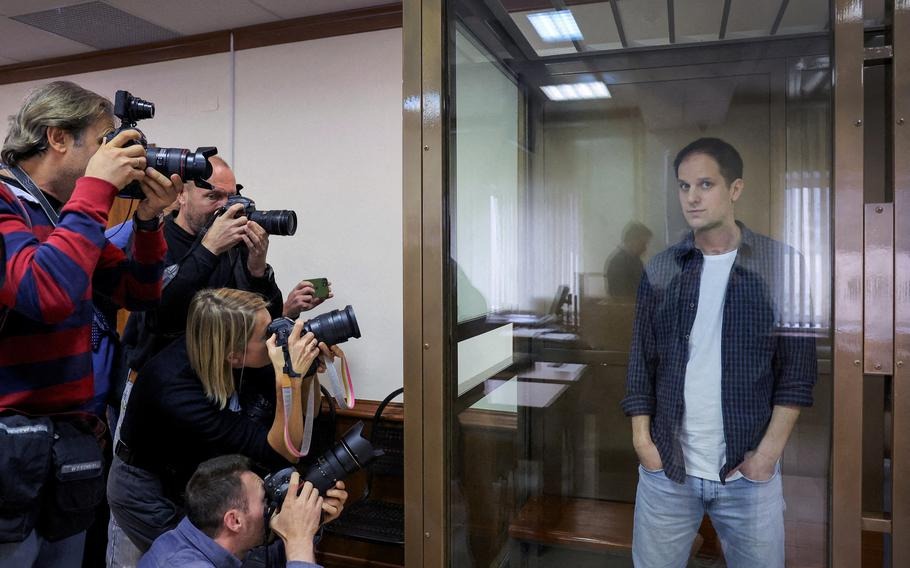
Not exactly. It is not a rich life, it is a “Potemkin set” — everything is fake. And on top of that there is another layer of absurd repression. Repression is not everywhere and not constant, but it appears at specific points and is extremely harsh. The effect of it spreads through social media. It was important for me to return in order to understand how this system works. I left for good on March 27, 2023. Before that, I had constantly moved between the two countries, continuing to cover Ukraine. That day, an acquaintance called me and asked: “Where’s Evan?” He meant Evan Gershkovich. I started calling him, asking how he was, and at a certain point I realized I was no longer calling a colleague, but the FSB directly.
Which had gained access to his phone?
Yes. That was the moment we decided to leave Russia immediately. It was surreal: a week earlier, a colleague and I had been standing outside the British embassy joking in a Cold War spirit about whether a hand on the fence would count as being on sovereign territory. The police officer nearby even laughed — he got the joke. But Russia is now in a very dark state. Regardless of how the war or the negotiations unfold, this country is sick. Russian consciousness has been mobilized against the West and against Ukraine. Ukrainian drone strikes have only reinforced that hatred. This is a tragedy that will leave a mark for decades.
New generations are already being raised in a new paradigm — mobilized and militarized. So it is obvious that this is no longer only, or even primarily, about Putin himself.
Putin’s death or departure could create an opening, just as 1953 opened the way to new leadership. The only question is who would come next — a Beria or a Khrushchev. It is an enormous uncertainty. Putin and his entourage are obsessively fixated on Ukraine, but a new leader may look at the situation differently.
Yes, one could endlessly recall his words — for example, comparing Ukraine to a woman he cannot get. It sounds perverse, wild and sad. But you stay in Ukraine and continue to cover it. What exactly gives you hope here?
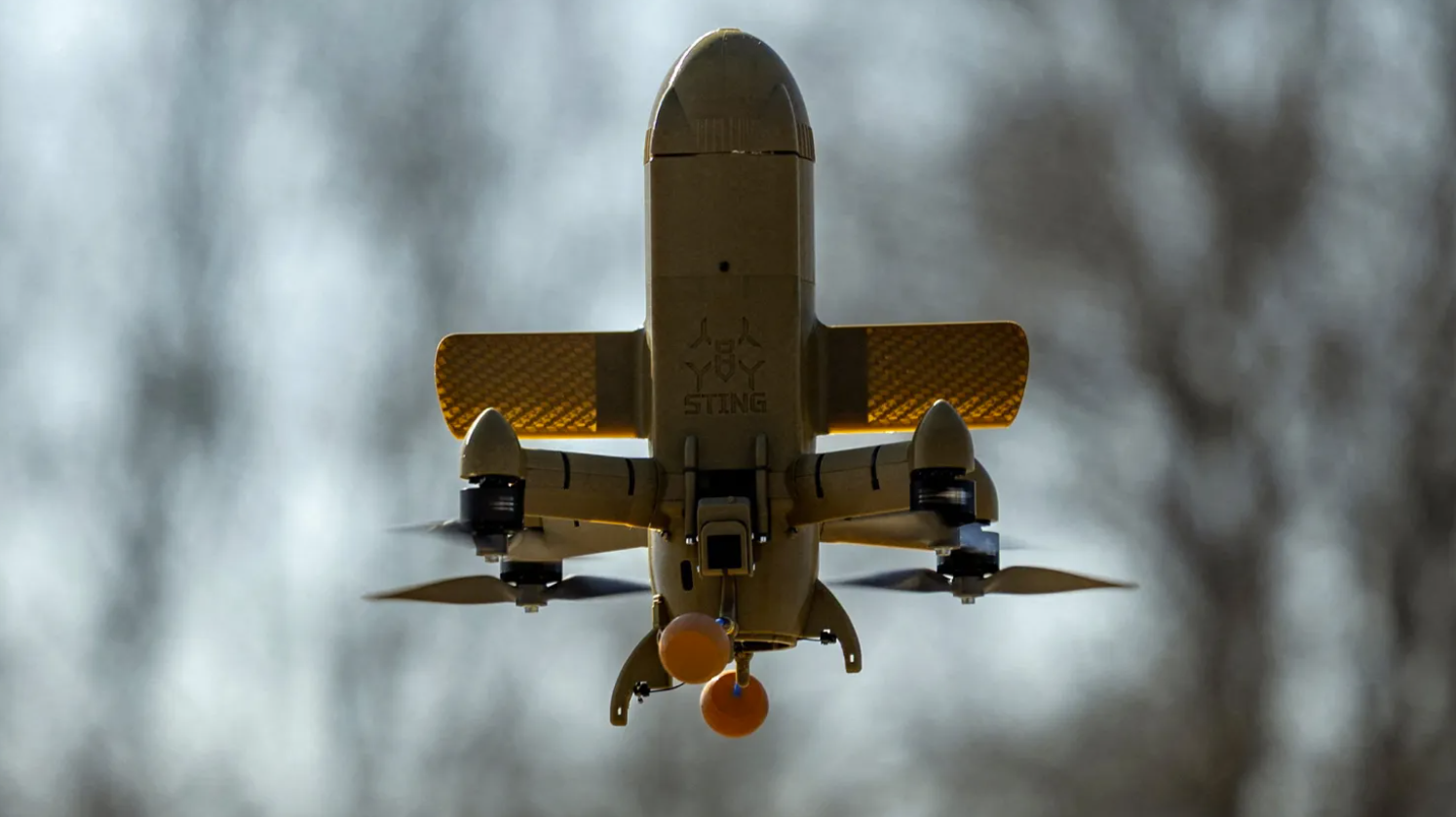
I do not want to sound flippant, but the resilience of the Ukrainian people, of business, and of people’s simple desire to live really does give hope. The fact that Ukraine has withstood a much larger enemy for four years is a phenomenon that will be written about for decades. So what gives hope is the commitment of that 30% of society — artists, lawyers, entrepreneurs — who are putting everything into defense and doing it with extraordinary creativity. Today the entire world, including the largest Western militaries, is studying the experience of Ukrainian startups, as in the case of Dyki Shershni — a company created through Ukrainian donations. Its products — drones — are now being considered as a way to save the largest Western armies in the world. Drones built from public donations are now becoming a model for global defense strategies. Of course, I would prefer to look for hope in the purely civilian sphere, but in a country at war, it is precisely this ability to create in spite of circumstances that is the real light.