Cognitive Warfare: How Russia Seeks to Break Ukraine and Influence the World
Russia is trying not only to seize Ukrainian territory, but also to shape how Ukrainians and the rest of the world perceive this war. Airstrikes on Ukrainian cities are not merely an attempt to break society’s morale; they are also part of a broader cognitive warfare strategy. How does the Kremlin use fear, propaganda, and information operations to influence decisions in Ukraine and among its Western partners? Who is behind this strategy, where is Russia vulnerable, and how can those weaknesses be exploited? Nataliya Bugayova, a researcher of modern warfare at the Institute for the Study of War, discusses these questions with journalist Nataliya Gumenyuk on the podcast When Everything Matters.


Nataliya, thank you for making time to talk. Almost everyone knows about the Institute for the Study of War, because for several years now the day at many leading Ukrainian media outlets has begun with your briefings—essentially, updates on the situation at the front. But could you explain how the Institute differs from other think tanks and research institutions? How do you work, and what exactly do you focus on?
The Institute for the Study of War is a research and analysis institution based in Washington, founded by Kimberly Kagan twenty years ago. Our mission is to deepen understanding of conflicts around the world and build a sound understanding of military affairs through research, education, and innovation.
For many years, the Institute focused on the Middle East, particularly during the global war on terrorism. More than a decade ago, my colleagues and I also began developing a program devoted to analyzing the Russian threat globally. We studied Russian military and information operations in different parts of the world, including Ukraine, Africa, and Syria. Since 2022, the Institute has published daily assessments of Russian offensive operations, which are familiar to Ukrainian audiences.
We also have other research areas, including China, Iran, and other regions of the world, although the Russian-Ukrainian war remains our main focus.
What distinguishes us from other think tanks is that we use intelligence-analysis methods and work with open sources. This allows us to describe the battlefield in detail and analyze the war at both the operational and strategic levels.
You lead a project devoted to cognitive warfare and the study of modern warfare. I’m in Europe right now, and my European colleagues keep asking, “What is happening?” The situation in Kyiv, where I live, is extremely difficult. Russia is exploiting a window of opportunity to strike civilians while Ukraine lacks certain military capabilities needed to respond effectively and intercept aerial targets. Many of our listeners are in Kyiv. How do you assess the current situation from a military perspective?
There are several ways to look at this moment. Militarily, Ukraine has one of its best opportunities since the full-scale invasion began to regain the strategic initiative in its confrontation with Russia. At the same time, the risk of losing that initiative is also very high, primarily because of Russia’s campaign of ballistic-missile and jet-powered drone strikes. The aim of this campaign is to erode some of the important gains and innovations Ukraine has achieved over the past year. So I’ll explain both the opportunities Ukraine has and the risks it faces.
Since late 2025, Ukraine has successfully challenged Russia’s initiative at the operational and strategic levels. Ukraine has significantly slowed the pace of Russian advances. In some months, we have even recorded a net loss of territory for Russia. Russian forces continue to advance very slowly and at an increasingly high cost. Russia’s summer offensive failed, and its autumn offensive is also at serious risk of failure.
Thanks to successful Ukrainian campaigns involving limited medium-range strikes, as well as strikes deep behind enemy lines, Russia has been forced to make increasingly difficult decisions at home. One example is how to distribute its limited air-defense assets across its territory. Putin has still failed to achieve any of his stated objectives in this war.
When discussing Ukraine’s capabilities, I want to emphasize that, in my view, the Ukrainian military’s battlefield successes in 2026 have resulted from the expansion of military capabilities, an ability to adapt, successful medium-range and deep-strike campaigns against Russia, increased domestic production of weapons and military equipment, and improvements in operational planning. That is one side of the picture.
On the other hand, Russia’s strategic air campaign, especially this year, is intended to force Ukraine to capitulate and to undermine and devalue some of the genuinely important gains, changes, and progress Ukraine has made on the battlefield. Russia has conducted such campaigns every year since the full-scale invasion began in 2022. But it has failed to break Ukraine’s will to resist or deprive it of the ability to continue fighting.
This year, however, jet-powered drones such as Shaheds, combined with ballistic missiles, are meant to serve several purposes at once. In other words, both the design of Russia’s campaign and its objectives are different this year.
First, the Kremlin wants to make large cities—including, of course, Kyiv, as you know very well—unlivable. Another objective is to disrupt the ordinary functioning of cities. That is why Russia has shifted to daily strikes, including during daylight hours.
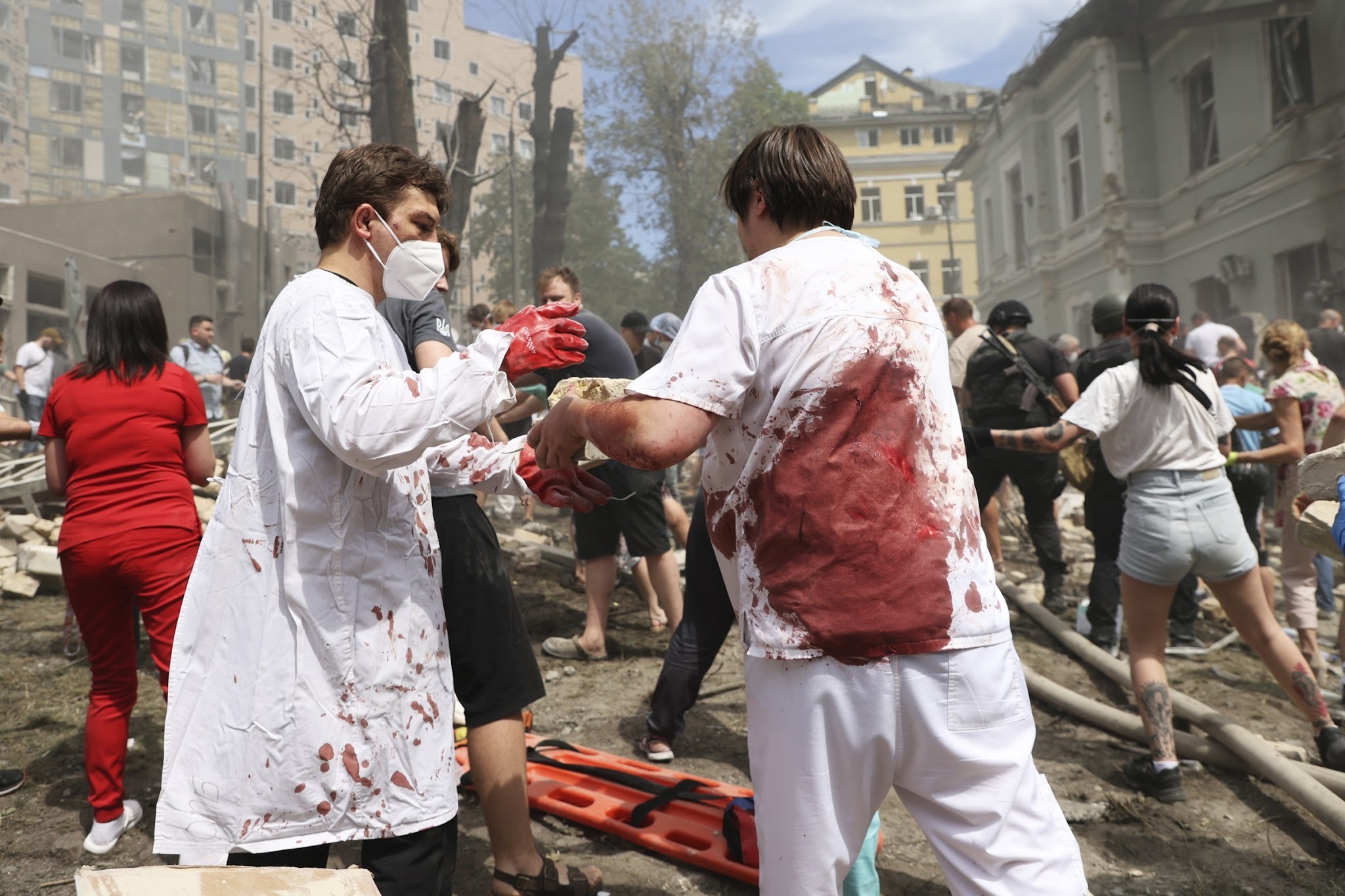
Second, these strikes are accompanied by intensified information operations. Their purpose is to deepen the divide between the front and the rear, where living conditions are becoming increasingly difficult, as well as to put political pressure on the Ukrainian government and promote particular narratives about the hardships of urban life, inadequate preparation, and other problems. Russia’s information operations therefore reinforce its physical attacks.
Third, Russia’s strategic air campaign this year is also designed to force Ukraine to make difficult choices about how to use and allocate its limited medium- and long-range strike capabilities. Should they be used to hit targets associated with the launch of missiles and Shahed drones, or should they be deployed at the front?
So this is where things stand: on the one hand, the Ukrainian Armed Forces are successfully challenging Russia’s initiative at the operational and strategic levels and have a real chance of fully seizing it. On the other hand, Russia’s strategic air campaign is specifically intended to disrupt that progress.
You have conducted several studies and lead a program and project devoted to cognitive warfare. It is a very broad concept that deserves a closer explanation. Just before our conversation, I met with representatives of a country’s defense establishment—I won’t say which one—whose responsibilities also include cognitive warfare.
I asked them: I understand what cognitive warfare is, but what is cognitive defense? How do you defend against it? Is it even accurate to use that term? I especially want to discuss the current situation with the attacks on Kyiv. We can see that Russia is trying to sow division in Ukrainian society, effectively forcing it to make difficult choices. You’ve already touched on this. What might cognitive defense look like for Ukraine in this situation?
As I understand it, the most effective way to counter cognitive warfare is to act preemptively. Once a campaign is underway and doubt has already been planted, it may be too late. I’m speaking more as a member of civil society who works in Kyiv and sees how difficult public debates and social attitudes have become for a whole range of reasons.
First, I want to explain what cognitive warfare is. It is a combination of informational and physical tools intended to influence how we think, make decisions, and behave. In other words, it is a much broader concept than false information or disinformation alone. Cognitive warfare targets our thinking, our ability to make decisions, and our will. It is by no means limited to informational tools.
That is why Russia’s strategic air campaign this year is intended to achieve particular informational effects. As we have discussed, these include deepening the divide between the front and the rear, weakening support for Ukraine’s political leadership, and exacerbating internal divisions.
As for your question about cognitive defense, the first thing we need to establish is: what exactly are we defending against? Cognitive warfare involves both defense and offense. To understand how to defend effectively, we first need to understand what Russia is trying to influence at any given moment.
I would say that for many years, Ukraine, the United States, and NATO have focused largely on tactical narratives. But Russia conducts information operations at the operational and strategic levels of war as well. Those are the levels at which we need to build our response.
So the first requirement for both decision-makers and civil society is a shared understanding of the objectives of Russia’s cognitive warfare. We have already outlined those objectives.
If we understand what this campaign is targeting, we can counter it effectively. While Ukraine and its partners develop ways to counter Shahed drones and ballistic missiles, it is crucial not to lose sight of the main objective, not to fall victim to cognitive warfare, and to keep up the momentum Ukraine has achieved on the battlefield. This is particularly important over the winter ahead, however difficult it may be, because Russia’s strategic air campaign will inevitably become more brutal.
Cognitive defense, then, begins with understanding what the adversary is trying to influence and building an appropriate system of countermeasures.
The second component of effective cognitive defense is recognizing that the main objective of Russia’s cognitive warfare is to keep Ukraine and its partners in a reactive state, preventing them from thinking long-term, looking ahead, and tracking new sources of Russian advantage. This includes anticipating how Russian tactics will evolve and how decisions will be made in Russia.
That is why part of countering cognitive warfare is maintaining a long-term plan at all times, no matter how urgent the immediate tasks may be. Russia will always use cognitive warfare to force Ukraine, Europe, and other partners to react rather than plan ahead. We can see this in the increasingly frequent attacks on European territory as well.
Could you outline a few key points from your research? We don’t plan to recite the entire study here—I’d rather encourage everyone to read it in full, including the sections explaining exactly how Russia conducts cognitive warfare. But what have you personally found new or especially interesting over the past year or two? What is changing? Is Russia changing its approach to cognitive warfare?
First, it is important to understand that Russia’s cognitive warfare serves several specific strategic objectives. Everything begins at that level.
The first objective is to bring Ukraine and Belarus under its control. The second is to preserve Putin’s regime. I’m not listing these in any particular order, but other key objectives include maintaining the regime, subjugating Ukraine, neutralizing NATO as an effective alliance, and restoring control over a number of other former Soviet states.
Everything Russia does in the information space serves, in one way or another, to advance these objectives. It periodically changes its narratives, tactics, methods, and means of spreading them. It changes the media outlets it uses, the people it recruits, and the international platforms through which it operates. But at the most fundamental level, all of this serves the same goals. It is crucial to understand that.
At this stage of the war, Russia is conducting several powerful information operations against Ukraine. At the same time, it is trying to influence Ukraine from beyond its borders, including decision-making in the West. Russia is also focused on keeping Europe in a constant state of reaction.
One of the most important information operations Russia has been conducting for years—and has intensified recently—is its effort to portray Europe as the aggressor whenever it even begins to consider defending itself against Russia.
There is an important nuance here: over the past few decades, Russia has, in some cases, effectively managed to equate the very idea of defense with escalation. As a result, much of the European debate about preparing to defend against Russia still takes place within a cognitive framework imposed by Russia, according to which any action to counter Russia is supposedly an escalation.
Of course, that is not true. In my view, this is one of the key information operations that needs to be analyzed and neutralized, because it largely determines the terms of the debate itself. It prevents Europe from ramping up defense production more quickly, strengthening its own defenses in light of the possible escalation scenarios now being considered in Europe, and, of course, increasing support for Ukraine.
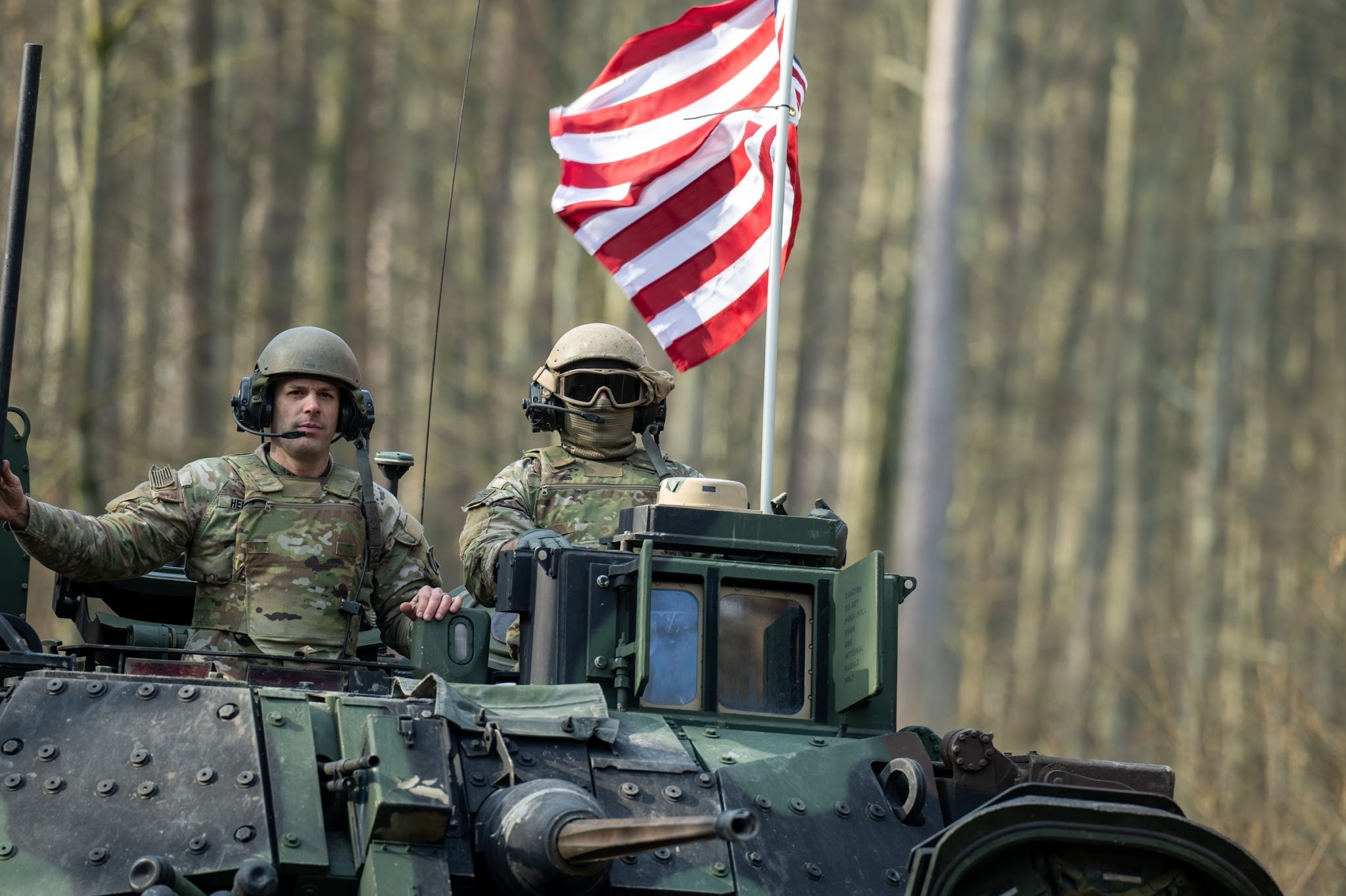
This dominant cognitive frame is a good example of what we are seeing now: Russia has intensified it and is trying to spread it globally.
We’ve already mentioned that Russia uses a range of tools. What tools does it use inside Ukraine?
It is important to understand how Russia’s campaign inside Ukraine is structured. Russia is increasingly focused on combining physical and informational tools. Particularly after 2022, and even more so over the past two years, it has begun to link physical actions—including airstrikes and operations at the front—more closely with the promotion of narratives aimed at several objectives: undermining trust in the government, deepening the divide between those fighting and those in the rear, and seriously eroding confidence in Ukraine’s mobilization efforts.
The key point is that Ukraine has learned a great deal about Russian information operations and has developed resilience to many of them. But the new campaign model Russia has used over the past few years has proved effective in part because it combines physical violence with bots, social media, and other familiar tools for spreading messages on a large scale. These tools amplify the effects of physical actions.
Another global trend we are observing is the growth in partnerships between Russian media and media organizations around the world, particularly in Africa and Asia.
This is a systematic, coordinated campaign carried out at the highest levels of the Russian government. Russian state media are trying to establish as many partnerships as possible in countries around the world. At the same time, Russia is building a global network of journalists who have been trained through its programs. Thousands of people are already involved. Programs such as Sputnik Pro, Russia Today Academy, Russia Today School, and others are used for this purpose.
In effect, Russia is building its own global army for cognitive warfare. At the same time, it is trying to make this network as independent as possible of direct access to particular organizations or platforms, especially in case new sanctions or restrictions are imposed on Russian media.
I think this is a very important trend that Ukraine, the United States, and the wider Western world need to watch closely.
Russia has also begun integrating artificial intelligence into many of its journalist-training programs around the world. This could enable journalists and influencers trained through Russian programs to spread narratives that serve Russia’s interests on a much larger scale and much faster.
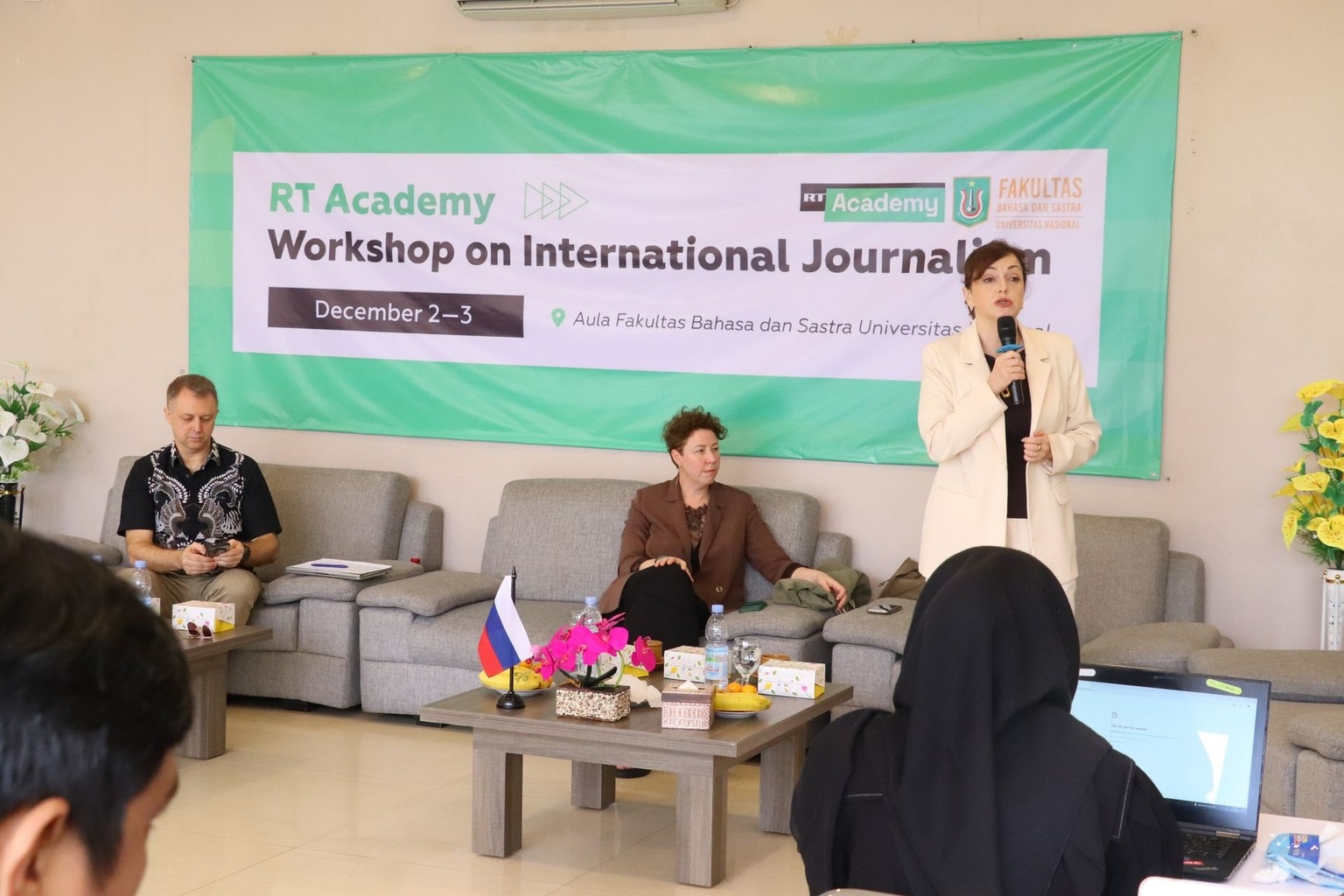
Your latest co-authored study examines how the Kremlin is expanding its media conglomerate while building a global system for training journalists. I have to admit that even the list of media outlets whose representatives have undergone this training was somewhat disheartening. I recognized some of them, and they are by no means limited to the countries we might expect.
Explain why this matters. I’m drawing on my own experience, too, because I’ve taken part in a number of projects and initiatives aimed at working with commentators, editors, media executives, and journalists from different countries. In 2023, we realized that in 2022 we simply hadn’t had time to establish systematic communication with them, and we felt we had missed something. Later, for understandable reasons, Ukraine directed almost all its resources back toward the United States: we needed to talk to Trump and Republicans and work more actively with Europeans.
People then stopped paying attention to questions such as: why does it matter that Russia is building so much in Bangladesh, Colombia, Egypt, or, say, the countries of the Sahel? Why is it organizing training for journalists in both North Korea and Kenya? Some of these countries are under Russian influence or are Russian allies, such as Iran. Others are oriented toward the West, while some belong to neither camp. It is very important to understand which countries we are talking about. This is an extremely valuable study. How would you explain the significance of all this? Why does it matter for Ukraine—and, as I understand it, far beyond Ukraine?
It matters because this is a long game. It is very easy to find yourself inside the framework of Russia’s cognitive warfare without even realizing that Russia has spent years trying to shape it.
Russian information operations are designed to span generations. Take Ukraine, for example. Russia began creating the information conditions for the hybrid operation it carried out in 2014 as early as 2005. The first prototypes of the structures later known as the “DPR” began to take shape at that time. This is important: Russia was creating the necessary information conditions in eastern Ukraine many years before seizing Crimea and parts of the Luhansk and Donetsk regions.
Russia is now building its presence and securing access to the global information space in the same way, with a view to influencing several generations. That is why it is so important to monitor these efforts.
Russia benefits when the world focuses on tactical narratives and treats them as isolated phenomena tied to a particular moment, rather than seeing the whole information operation—which may have been underway for ten years. People can then find themselves inside that information framework and make decisions within it.
In 2014, many decisions around the world were made within a Russian information framework that made it difficult to call the war a war. This is important to understand: Russian information operations are designed to span generations, and Russia advances toward its goals when its opponents fail to realize that they are making decisions within a framework imposed by Russia.
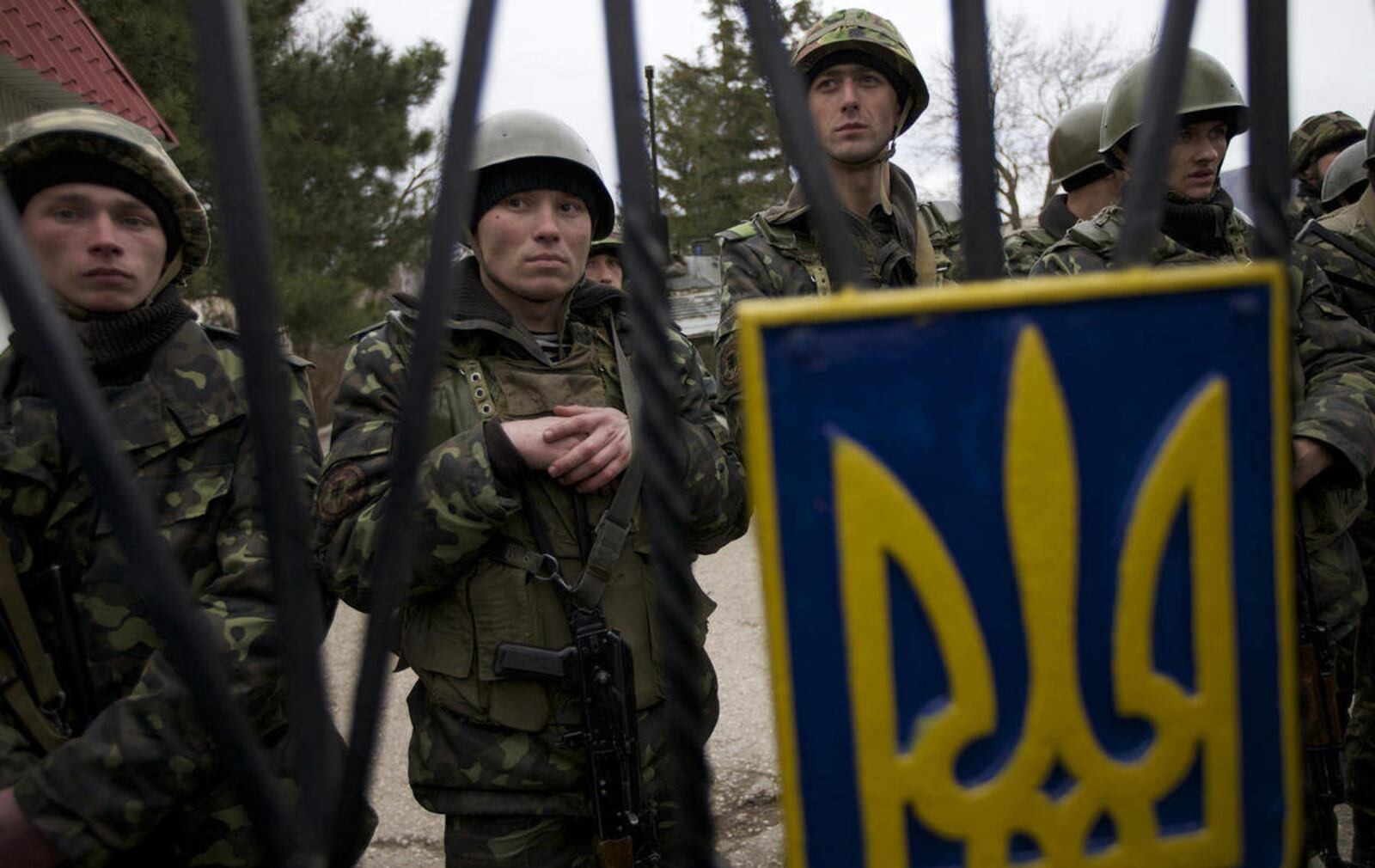
That is why it is essential not only to monitor these processes but also to limit Russia’s ability to establish a long-term presence and secure access to the global information space. Ultimately, it will use this infrastructure to shape narratives and perceptions, as well as to influence decisions about Ukraine and relations with the United States and other partners.
Russia benefits when others forget. It moves forward when others fail to recognize that they are making decisions within someone else’s framework.
It seems to me that for a long time, the dominant narrative in media around the world, including in the United States, was that Ukraine was losing the war. That was the case even during periods when there was something close to a stalemate at the front, despite the slow Russian advance.
Only this spring, after Ukraine’s successes with long-range drones and medium-range unmanned systems, did a wave of stories emerge about how Ukraine was winning. To be honest, I approached them very cautiously. Some Ukrainian military personnel were also wary of the hype. And it didn’t last long—probably until the next attacks involving jet-powered drones. The tone of the headlines changed quickly.
The idea that one side must necessarily be winning and the other losing is often picked up by major media outlets. How do you assess this? Does the broader narrative that Ukraine is bound to lose the war persist? To what extent is it part of cognitive warfare?
Yes, it is a deliberate part of Russia’s cognitive warfare. One of its key narratives is that Ukraine cannot win this war. Therefore, there is no need to support Ukraine, because Russia will eventually prevail anyway. This is one of Russia’s main narratives for influencing decision-making in the West and persuading the rest of the world to stop supporting Ukraine. Its goal is to leave Ukraine alone to face Russia and then move on to its next objectives, confronting them one by one.
Here again, it is important to understand that this is not simply about disinformation or false information. Russia is trying to influence the process of thinking itself—to make other countries start from assumptions that favor Russia and then reach decisions that serve Russian interests.
The narrative that Ukraine cannot win this war is an example of such a false starting assumption. Over the past year, for instance, Russia has used its slow advance in eastern Ukraine to reinforce this narrative. It has also promoted the claim that Russia will inevitably capture the so-called “fortress belt” in Donetsk, so Ukraine should simply hand it over. The implication is that the territory is not particularly important. This is another very harmful narrative that Russia is actively trying to impose.
I think many people, including us, have now examined this narrative in the context of the actual military situation and explained why capturing the remaining parts of the so-called “fortress belt” would be an extremely difficult task for Russia. We have explained what resources it would require, why it would be far from a simple operation, and why handing that territory over to Russia would create a serious strategic problem. Nevertheless, Russia continues to promote this narrative consistently.
During the summer, Ukraine’s successes—once again, in medium- and long-range strike campaigns—helped slow the Russian advance. This made it increasingly difficult for Russia to make its narrative seem plausible, or at least convincing to some audiences.
Russia has now, of course, shifted its focus to its strategic air campaign. It will use Shahed drones, the terror they cause, and the images it seeks to create by striking cities during the day. But all of this is again intended to reinforce the same narrative: that the war cannot be won, even though the situation on the battlefield suggests otherwise.
That is why it is so important to cut through the fog of war and see how Russia uses tactical military actions—and I want to emphasize this—to reinforce cognitive warfare at the strategic level.
Nataliya, as a Ukrainian, you understand domestic Ukrainian politics and how narratives about victory and defeat work inside the country. I have a fairly good understanding of how this plays out abroad, because I occasionally write for American media myself.
But I also remember how much criticism the national telethon faced inside Ukraine. People, including military personnel, would say that when you turned on Ukrainian television, the picture you saw was one in which Ukraine was on the verge of victory, even though the actual situation on the battlefield was far less optimistic. The gap between reality and its coverage itself became a subject of public debate.
If you think about it, these processes cannot be considered in isolation from one another. I don’t want to defend the telethon’s triumphant tone or claim that Ukraine should act that way. There are real problems with it. But how, in your view, should we navigate these nuances in our coverage, in the way we talk about events and shape narratives?
We need to understand the actual situation on the ground. That is the first prerequisite for having any chance of winning the war. Unlike Russia, Ukraine is a free society. Transparency and a broad understanding of what is really happening have always been part of Ukraine’s resilience. So the first priority is to stay as close to the truth as possible.
At the same time, it is important to understand that war develops nonlinearly. There are advances and setbacks, so it is wrong to describe it in extremes: today we are winning, tomorrow we are losing. As we have seen over the past twelve years, this war is extraordinarily complex.
That is why we need rigorous analysis of the situation, as well as stronger analytical skills among journalists and greater military literacy among civilians. The Institute for the Study of War, for example, has educational programs designed to help civilians in the United States better understand war. In my view, this is the first essential condition: we need high-quality, in-depth analysis of the situation.
Second, we need to understand what Russia is trying to hide. This is not about artificially promoting our own narrative or creating an alternative reality. The task is much more basic: to expose what Russia is trying to conceal.
Russia seeks to downplay or conceal some of Ukraine’s successes while masking its own vulnerabilities. This is one of the purposes of its cognitive warfare, and Russia is quite effective at hiding many of its weak points.
Ukraine’s task is not to invent anything or artificially construct a picture of reality. On the contrary, it is to systematically and effectively expose what Russia is trying to hide through cognitive warfare—and to do so globally.
Who in Russia are the specialists behind cognitive warfare? Do we know who these people are? There is sometimes a debate about whether this is Putin’s war or Russia’s war. I would say it is both: Putin’s war and Russia’s war. But Putin himself is hardly seen as someone who is particularly knowledgeable about new technologies.
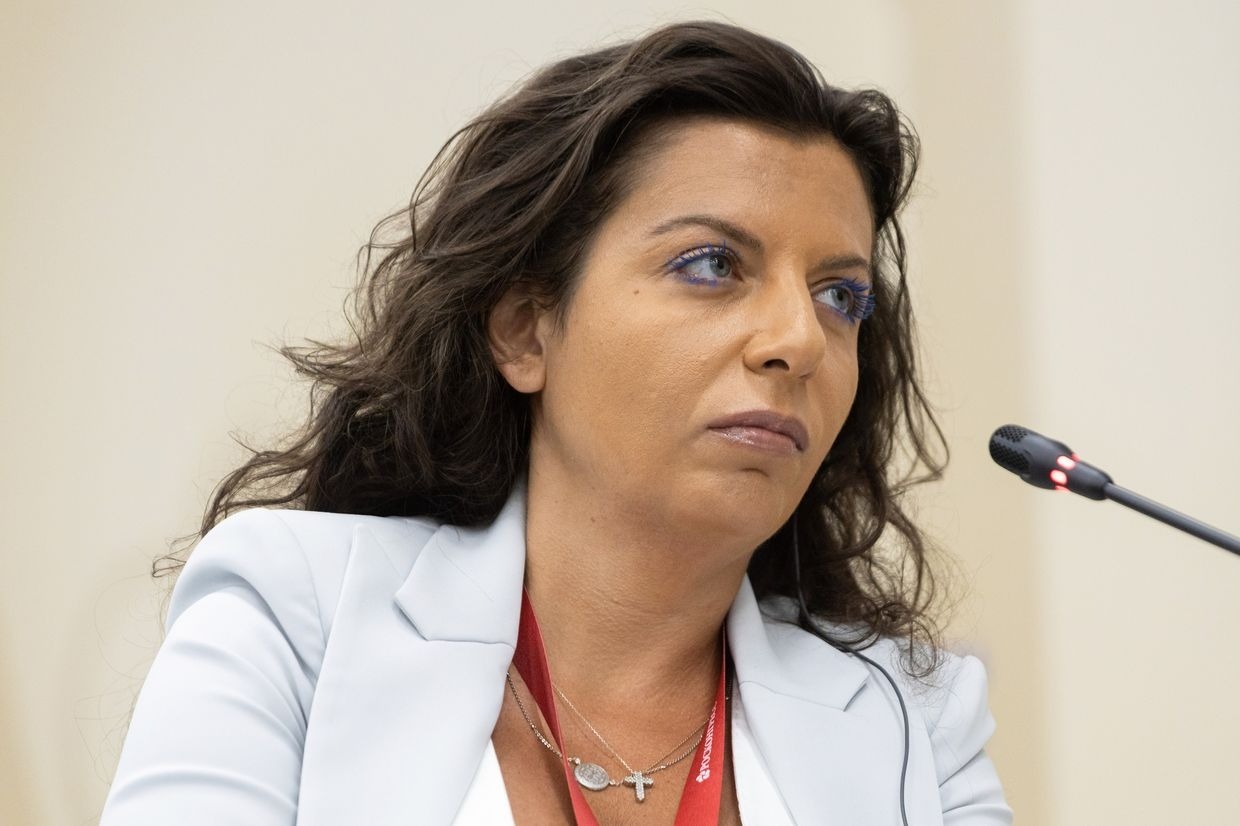
Of course, we know the public figures and propagandists, such as Margarita Simonyan and others. Russia Today is a huge organization with many well-known names. But do we know who is behind the construction of such a sophisticated system? From what you describe and from the way Russia operates, it is clear that this is a complex, carefully designed campaign. It is no longer just Prigozhin’s “troll factory” near St. Petersburg or something similar. The operation seems much more complex, which means that people of a different caliber must be behind it.
I would highlight three things. First, after the collapse of the Soviet Union, Russia lost some of its military capabilities, but its information-operation capabilities did not disappear. They survived and continued to develop within Russian intelligence and security structures throughout the 1990s and 2000s. The Soviet Union had powerful capabilities in information operations, so-called active measures, and other similar tools. In other words, there was no period when these capabilities simply vanished.
Second, over the past two decades, Putin has deliberately invested in war, coercive tools, and the development of Russia’s information capabilities, both domestically and globally. This did not begin in 2022 or even in 2014. Resources were devoted to these efforts, Russian media outlets abroad were developed, and Russian doctrines and national-security documents—especially after 2014—increasingly emphasized information confrontation and the achievement of desired informational effects.
So when you ask who the “smart person” is who came up with all this, the answer is that most of the Kremlin’s key leaders are themselves participants in cognitive warfare. Lavrov does it when he publicly promotes Russian narratives; Putin does it when he speaks with world leaders; and so does the head of Russia’s Foreign Intelligence Service, Sergei Naryshkin, who also headed the Russian Historical Society and uses history as a tool of Russian cognitive warfare.
This operates at the highest strategic level. There is also a specialized infrastructure: media outlets, propagandists, and units within the Russian armed forces and intelligence services that conduct information operations directly—or what Russia calls “information confrontation.”
The methods and tools of Russian cognitive warfare are sophisticated and well developed, and they are already having a significant strategic effect.
They help Russia conceal its weaknesses, achieve more than its physical capabilities alone would allow, and preserve Putin’s regime. That is why Ukraine must understand this system in its entirety in order to counter it effectively—not only at the tactical level.
On the other hand, Russia is far from always effective. Its information operations often backfire and sometimes, conversely, help build greater resilience against such influence. These operations are not always successful or as well coordinated as they may appear.
Moreover, Russia often relies too heavily on information operations. So I do not want to suggest that this is an insurmountable problem. These capabilities have limitations, too.
Then I think this is the right moment to talk about Russia’s vulnerabilities. I also don’t want to overemphasize how effectively it conducts this fight or what its strengths are. So what are its vulnerabilities and weak points, both in the cognitive domain and in kinetic warfare? What else should we be paying attention to?
First of all, over the past few years Putin has significantly undermined many of the foundations of the Russian economy and society. We are already seeing macroeconomic problems, labor shortages, and risks accumulating inside the Russian economy.
There is also a great deal of debate about whether Russia will collapse. To me, this is another example of black-and-white thinking that is not particularly useful analytically. I would instead look at it as a gradual accumulation of risks and costs within the system itself.
The economy is one dimension; society is another. The war has created numerous social risks inside Russia, including risks associated with the return of Russian soldiers from the front and the rise of Russian nationalism, which has grown significantly during nearly five years of war.
This creates a contradiction with Putin’s desire to continue ruling Russia as an empire. He keeps saying that Russia is a multicultural, multilingual, and multinational state. But that clashes with the views of the nationalists on whom he also relies to sustain the war and his regime—views that are often extremely xenophobic. There is real tension within Russian society.
If we look more broadly at Russia’s long-standing claim that it is entitled to its own sphere of influence, it is clear that much of this no longer works as it once did. We see more and more countries, including Armenia and Kazakhstan, trying to distance themselves from Russian control. And that is without even mentioning Ukraine or Moldova.
There are also purely military vulnerabilities, although we will not go into the battlefield situation in detail now. Consider Ukraine’s deep-strike campaign against targets inside Russia. It has fundamentally changed the situation for a country that used to export energy resources but is now facing fuel shortages itself.
This is beginning to affect other energy-dependent sectors as well, including agriculture, finance, and a range of other areas. In other words, a strike against one system begins to affect others.
But it is important to understand that, for these vulnerabilities to matter, they must be exploited systematically and Russia must be kept under constant, sustained pressure. That is why maintaining momentum and the initiative, and keeping up the pressure, are so important in war.
All these vulnerabilities are systemic problems for Russia. But as soon as the pressure eases, Russia adapts very well. It knows how to adjust to a new reality, even when that reality is worse for it. When pressure on the system is maintained, however, all those accumulated costs and risks begin to show much more clearly.
We have seen this, and continue to see it, in the successes of Ukraine’s deep-strike campaign against targets inside Russia, as well as its medium-range strikes on the battlefield. That is how I would describe Russia’s vulnerabilities.
I would also add a few words about vulnerabilities in the cognitive domain. Putin does not have complete control over Russia’s domestic information space, although he tries to control it. Russia also promotes many contradictory messages and narratives at the same time in support of its objectives, and those contradictions can be exploited.
Cognitive warfare has a cost, too. As Ukraine and the West consider developing their own capabilities in this field, it is important to remember that Russia’s cognitive warfare also has negative consequences for Russia itself. One is its inability to understand the actual situation on the battlefield. Russia lives to a considerable extent in an alternative reality where facts have only limited significance.
This failure to understand the situation on the ground partly creates opportunities for some of Ukraine’s recent battlefield successes. We have seen this during individual counterattacks. Ukraine has already been successfully exploiting this Russian vulnerability and is increasingly learning how to do so.
Russia therefore has many vulnerabilities, but none of them will be decisive on its own. Throughout this war, there has been a great deal of talk along the lines of: this will be the turning point, or that will be the breaking point. In my view, this is the wrong way to think. Russia is too large and complex a system for any single event or factor to become its decisive breaking point or sole critical vulnerability. The war itself is also too vast for any one capability to change its course completely.
It seems to me that many people in Ukraine—in the media, politics, and the military—understand that by terrorizing civilians, Russia is trying to sow doubt, undermine trust, and cause panic. At the same time, it is clear that this strategic air campaign also has a political objective. We can recognize that now. We know Russia is doing this not only to break morale, but also to divert attention from Ukraine’s successes and the advantages we have achieved through enormous effort and at the cost of Ukrainian soldiers’ lives. But how would you recommend deciding what we should be paying attention to right now? Where should we look for the things that really matter?
First of all, this air campaign will remain one of Russia’s top priorities over the coming months. Russia will try to make the most of this period, knowing that Ukraine and its partners are already working on countermeasures.
The key task now is to endure this phase and develop ways to counter the attacks, while not losing focus on the battlefield, Ukraine’s continued advances, and efforts to bring Russia’s offensive to a halt. That must be the priority.
I would also emphasize that we have entered a different phase of the war. In the first phase, Ukraine’s advantages were based largely on its extraordinary will to fight and the support of its partners. In the second phase, I would say, Ukraine’s key advantage was its rapid cycle of innovation and its ability to mass-produce relatively inexpensive unmanned systems.
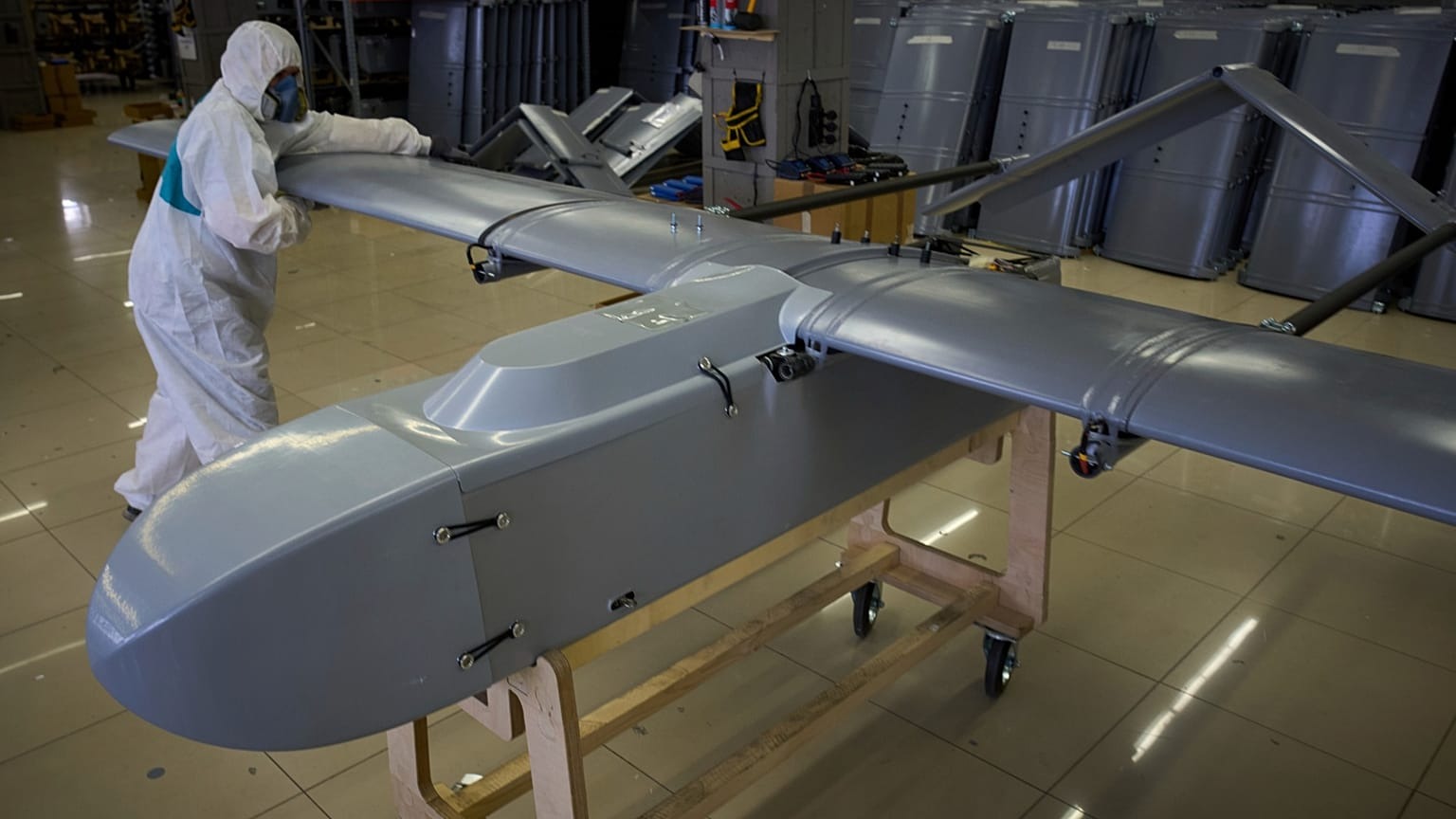
We have now entered a new phase in which both sides are using millions of unmanned systems on the battlefield. The advantage is no longer simply a matter of adding more of them. It is about organizing and deploying them in ways that produce greater effects at the operational and strategic levels, not just the tactical level.
I believe Ukraine is already beginning to improve the overall system through which it fights, and its operational art is gradually reaching a new level. In my view, that is the main challenge at this stage. If Ukraine can be the first to optimize its processes, continue developing operational art and planning, and organize its capabilities so that they produce an increasingly significant effect against the enemy, that will create an increasingly tangible advantage.
We have already seen this in the medium-range strike campaign. It is a good example of what Ukraine has begun to do.
But to return to your question, the issue is less about what to monitor and more about what to focus on at this stage of the war. It is no longer just about the weapons themselves. It is about how to organize their use to achieve greater effects. It is also about deeper integration and further development of strategic intelligence capabilities.
What do I mean by that? Russia has developed a number of capabilities that did not take Ukraine entirely by surprise, but that certainly forced it to operate largely in a reactive mode. Shahed-type jet-powered drones are just one example. A long-term perspective is becoming increasingly important: we need to understand what Russia is developing now, what may come next, and what could follow after that.
Another challenge that everyone is already watching is munitions such as the “Banderol” and “Dan-T” systems, which Russia is using against Ukraine with increasing frequency. Clearly, Russia is investing in developing this capability. But other similar systems will emerge, and they too will need to be monitored.
The task, then, is to establish a process that allows us to see two steps ahead. I would say this is one of the key requirements for both Ukraine and its partners.
Of course, we are all part of an analytical community trying to do exactly that. But this work needs to be scaled up so that when the next phase of Shahed-type jet-powered drones emerges—or when any other new capability appears—Ukraine already has countermeasures ready. Those countermeasures need to be in place much earlier, before the new capability becomes a serious advantage for the adversary.