“Condemned to Death”: How People Survive and Die in Oleshky and Hola Prystan, Turned into a Kill Zone
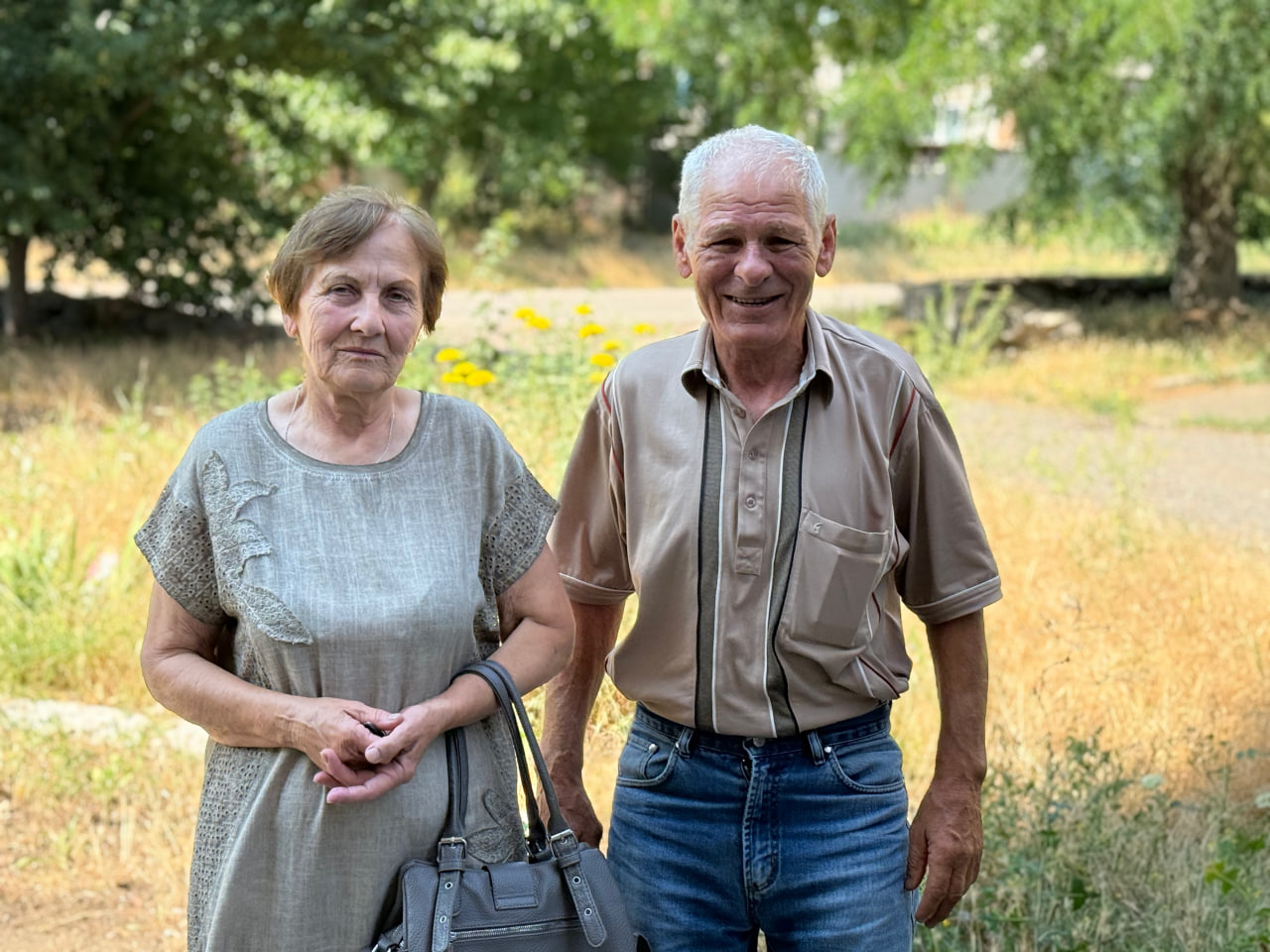
Seventy-three-year-old Vasyl Berezka and his wife, Liudmyla, barely managed to escape Oleshky, a city in the temporarily occupied part of Kherson Oblast on the left bank of the Dnipro, opposite Kherson. On the way, their car struck a mine and a Russian drone attacked Liudmyla. Vasyl and Liudmyla were among the last residents able to leave Oleshky for Ukrainian government-controlled territory. They told the story of a city that has been almost impossible to leave since late May 2026.
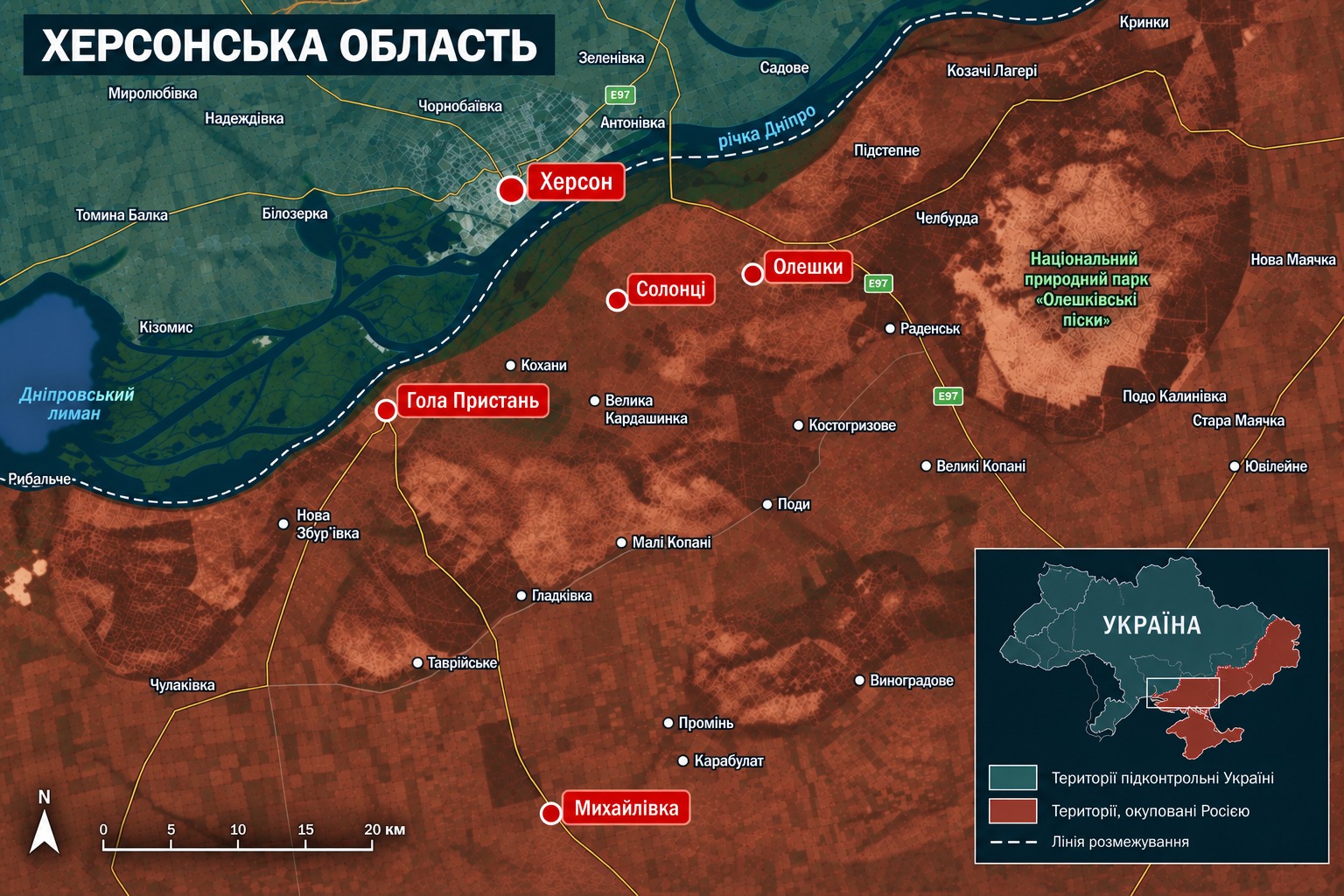
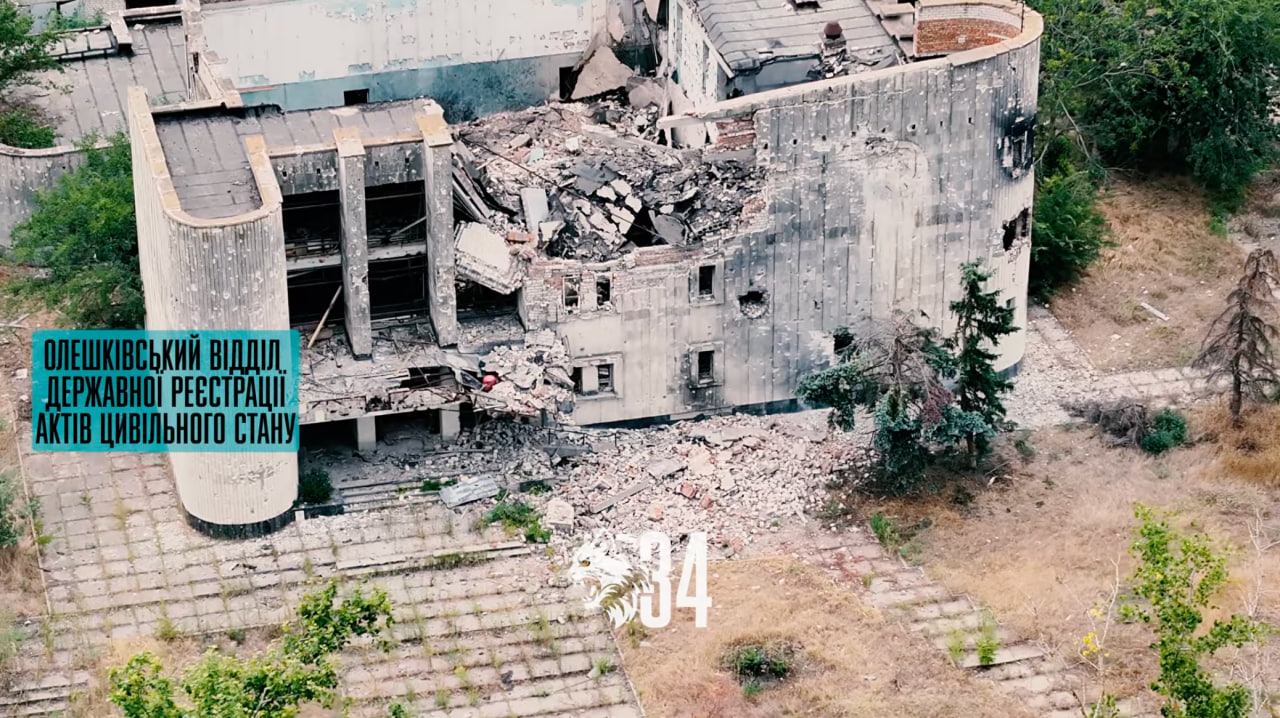
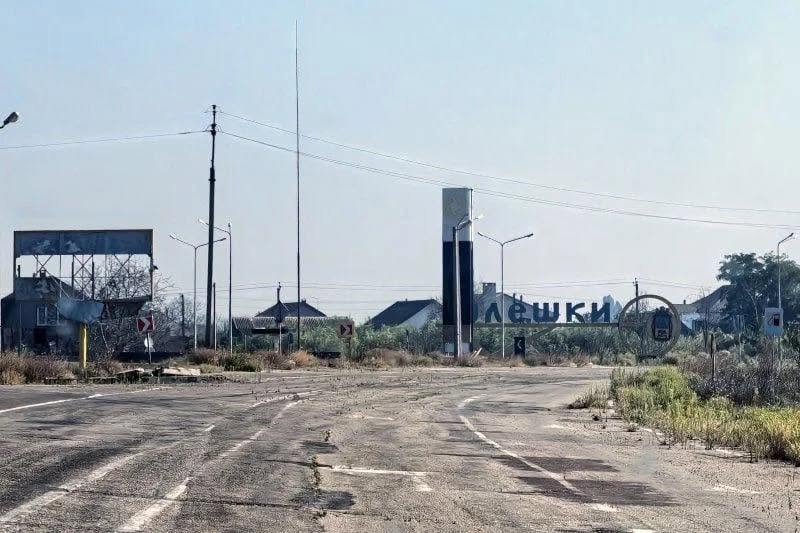
Every road into Oleshky and the surrounding villages has been mined. Mines are scattered through the city streets, and the banks of the Konka and Dnipro rivers, which separate Oleshky from the regional capital, have also been mined. Residents say bodies lie on the ground while the shelling never stops.
No food is being brought into the city, leaving is impossible, and medical supplies are nearly exhausted. Ukrainian officials say residents are suffering from food shortages and are on the brink of starvation.
Oleh Baturin spoke with residents of Oleshky and Hola Prystan, Ukrainian officials, and volunteers helping people escape the occupation. They say those still in the two cities are “condemned to death” unless the situation improves soon.

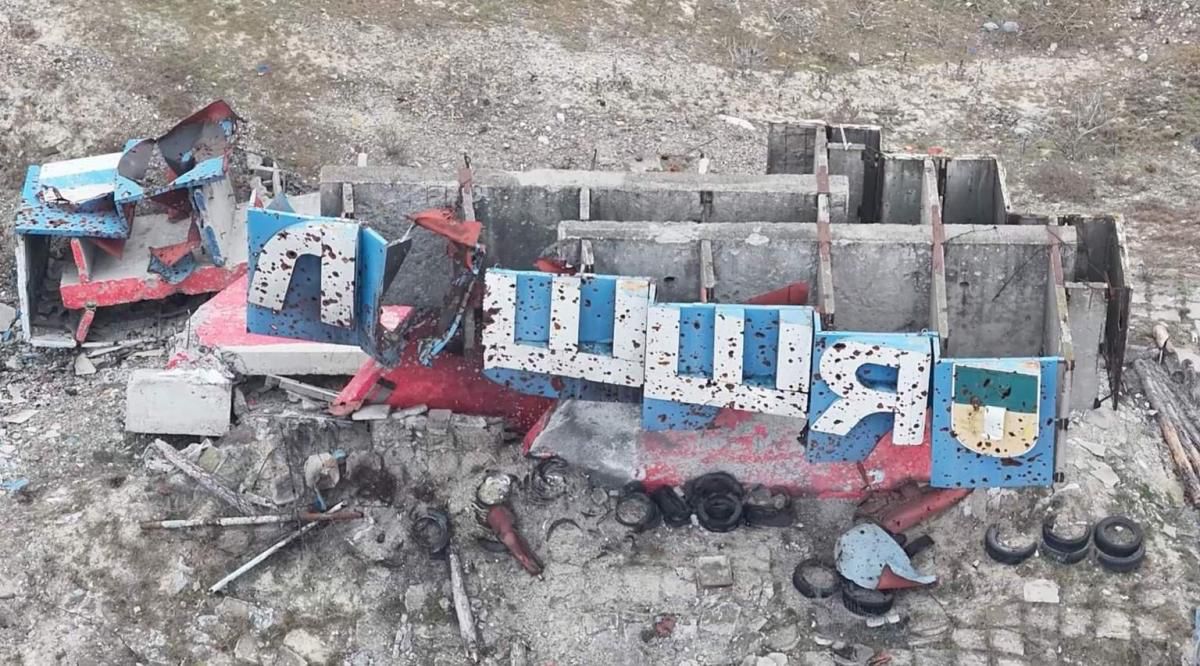


Oleshky lies directly on the front line, across the Dnipro from Kherson. The city is separated from liberated territory by the Dnipro floodplains, with their complex network of rivers, branches, and channels. After the right bank was liberated from Russian occupation, the occupied city quickly became a base for Russian military operations on the left bank of Kherson Oblast. Russian forces shell Kherson from there. Ukrainian forces, in turn, keep the area under fire control and target Russian positions in Oleshky, from which Russian troops could move farther onto the islands and reach the bank of the Dnipro, only a few kilometres from Kherson across the river.
What sets Oleshky and Hola Prystan apart is the prolonged de facto blockade of their residents. In many other frontline cities in Ukrainian-controlled territory, people can still leave, and the Ukrainian authorities actively urge them to evacuate. In Oleshky, however, civilians have effectively been turned into human shields.
Estimates suggest that between one thousand and four thousand people remain in the city. Conditions have deteriorated dramatically since late spring. The blockade and mines make it impossible to enter the city, causing critical food shortages. Residents also say Russian forces use drones to attack civilian vehicles attempting to leave or bring in supplies.
According to Ukrainian Parliament Commissioner for Human Rights Dmytro Lubinets, “following the negotiations, the Russian side has for a long time failed to confirm that it is prepared to conduct a humanitarian evacuation mission.”
Hola Prystan, a town twenty kilometres to the south that also lies along the front line, is under a similar blockade.
“We prayed, crossed ourselves, and begged them not to kill us”
Liudmyla Berezka and her husband stayed in Oleshky until the very last moment. The city had been under occupation since the first days of Russia’s full-scale invasion. In the summer of 2023, Liudmyla witnessed Oleshky being flooded after the explosion at the Russian-controlled Kakhovka Hydroelectric Power Plant dam. According to the city’s military administration in exile, 80 per cent of Oleshky was submerged. The number of people killed remains unknown. Since then, the city has had no electricity, gas, or centralised water supply.
Liudmyla says life became unbearable gradually. Several shops remained open for a while. When they closed, residents had to travel to Skadovsk or Zaliznyi Port for food, medicine, or pensions paid by the occupation authorities. Both towns are on the Black Sea coast, which is also under Russian control.
In December 2025, fearing a Ukrainian advance, Russian troops mined the roads to Oleshky, Hola Prystan, and nearby villages and restricted entry and exit. The blockade eased slightly in early spring 2026, but intensified again on May 26, 2026. An attempt to bring food into Oleshky in June ended in the deaths of two people when their vehicle struck mines. Residents began calling the road out of Oleshky the “road of death” and were afraid to leave.
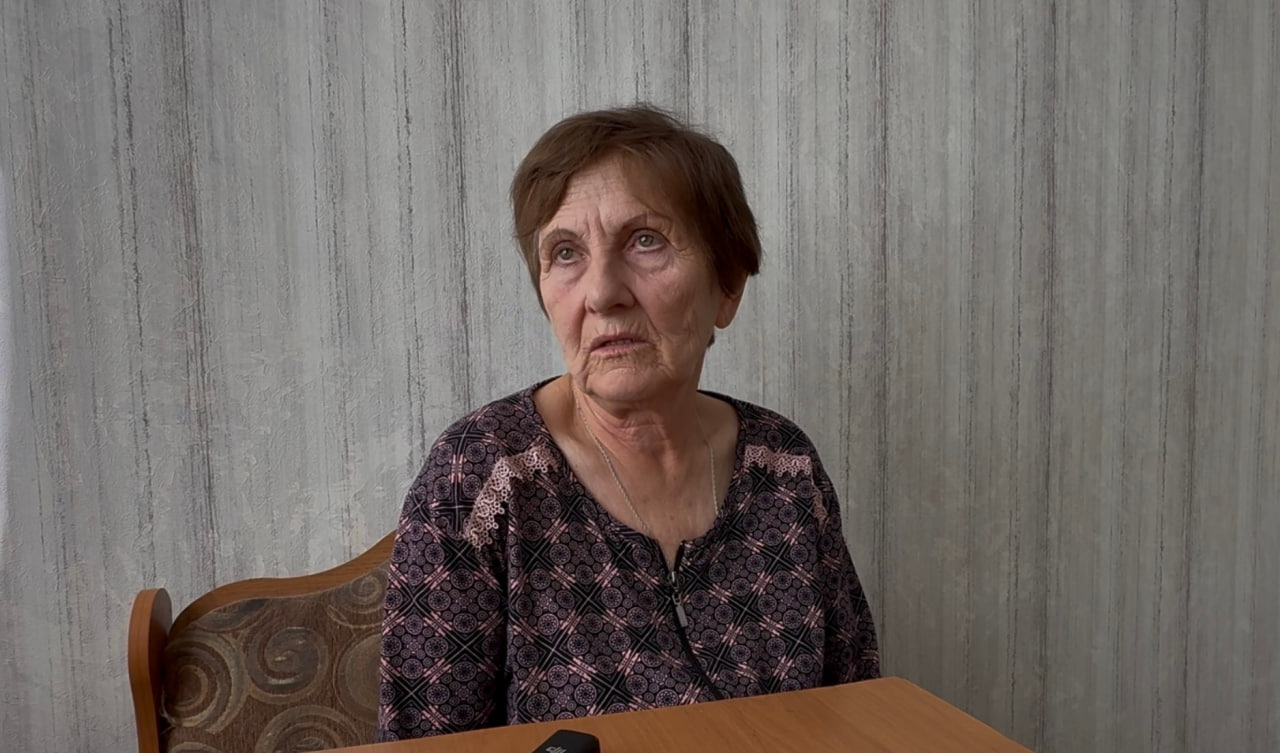
The Berezkas survived on supplies they had stored. Liudmyla cooked over a wood fire using firewood gathered for the winter. For a time, an acquaintance from Novomykolaivka in Skadovsk district, sixty kilometres to the south, brought milk, vegetables, and a few other goods to sell. On one trip, the acquaintance’s son-in-law struck a mine and was killed. There was no one left to bring in food.
Liudmyla describes life in Oleshky: “Even before that, enemy drones had begun flying everywhere, hunting people, homes, and the few cars that had miraculously survived. We were afraid of both the drones and the Russians. Last year, on May 9, their ‘Victory Day,’ the Russians shouted and threw grenades into people’s yards.”
Liudmyla says that on one occasion she heard a neighbouring woman screaming. According to her, Russian soldiers raped the woman, killed her husband, and burned down their house. Liudmyla says many of the Russian soldiers stationed in Oleshky were convicts. “They were completely out of control and extremely aggressive. They could do anything they wanted to people,” she says.
In the spring, the Berezkas decided to leave Oleshky. Reaching Ukrainian government-controlled territory requires a journey of at least 2,600 kilometres through the temporarily occupied parts of Donetsk Oblast, Russia, and Belarus. Some carriers charge around US$450–500 per person, and the price can be considerably higher. Volunteers nevertheless try to evacuate some people free of charge.
The Berezkas missed an earlier volunteer evacuation because mobile service was down in the city. They decided to make the journey on their own. Their first planned stop was the village of Mykhailivka in Skadovsk district, where they had been offered temporary accommodation. They loaded their belongings into a trailer and left their home at eight in the morning on May 9, 2026, hoping that a ceasefire announced by Russia would hold at least during the military parade in Moscow.
Before they had travelled even ten kilometres, they saw a burning Moskvich car with the charred body of a man beside it. The car had most likely struck a mine, and the driver had apparently tried to escape. Vasyl Berezka attempted to steer carefully around it, but the trailer’s right wheel hit a mine on the roadside.
“It exploded, then a second one, a third, a fourth. About six mines detonated. The car and trailer caught fire, and we barely got out. We left everything behind. My wife only managed to grab the bag with our documents, and we ran. We had gone about two hundred metres when two drones swooped down on us. Where could we run? Where could we hide? We looked up at the drone, prayed, crossed ourselves, and begged them not to kill us: ‘Can’t you see? We’re just two old people.’ Then one of the drones came screeching straight at my wife. I managed to shout, ‘Liuda, get down!’ It fell half a metre from her and exploded. God alone knows how she survived. She had multiple wounds and shrapnel injuries. She was covered in blood,” Vasyl Berezka says.
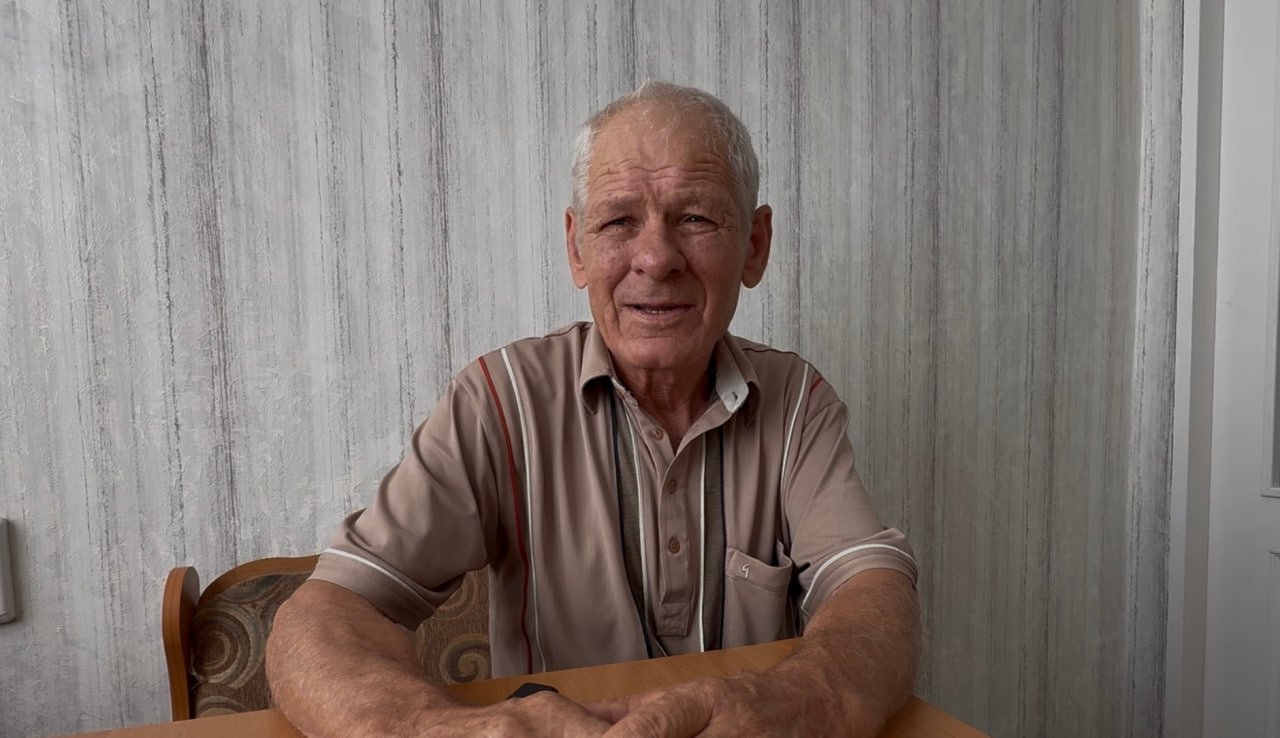
Vasyl managed to drag his wife to a nearby lake and wash away some of the blood and dirt. The village of Solontsi was close by. He helped her reach the first house that showed signs of life and left her with a local woman. Vasyl then took a shortcut through forests and steppe to Mykhailivka, where they had planned to stay. By the paved road, the village would have been nearly fifty kilometres away.
There he found a driver who agreed to collect his wife the next morning for US$3,000. No one else was willing to travel the “road of death” to Solontsi, a village almost adjacent to Oleshky. Vasyl worried that the driver might abandon the deal, but his fears proved unfounded. On the morning of May 10, Liudmyla was brought to Mykhailivka. The following day, Vasyl arranged for her to be taken to the nearest hospital, in occupied Skadovsk. The staff refused to treat her or remove the shrapnel, saying that “her life was not in danger.” The couple returned to Mykhailivka.
“We rested there, and my wife’s wounds healed a little,” Vasyl Berezka says.
The couple contacted Kseniia Arkhipova, a volunteer originally from Oleshky who has spent recent years helping people leave the occupied territories. They were told that transport to Ukrainian-controlled territory could collect them only seven weeks later, on June 30, from Skadovsk, thirty kilometres from Mykhailivka.
Vasyl describes the rest of the journey in detail: “A taxi took us from Mykhailivka to the bus station in Skadovsk, where we boarded a minibus. In Melitopol, we transferred to another van. Then we travelled through Donetsk, Russia, and Belarus, and on July 3 we reached Volyn Oblast. Volunteers met us there, and we went straight to our granddaughter in Kyiv. Later we found a place to stay and moved to Mykolaiv Oblast. My wife and I will live quietly here and see out our days.”
Vasyl believes the drones that hunted them were Russian. He saw the UAVs emerge from a forest where Russian positions were located. Liudmyla recalls other incidents and says she saw many wrecked vehicles with dead people inside on the roads around Oleshky.
“My dear, might you have some grain to spare—even half a kilo?”
The last time volunteers managed to evacuate people from blockaded Oleshky, risking their own lives, was May 26, 2026. There has been no information since then that anyone else has escaped the city.
After the failed attempt to enter the city in June, another effort was made on the morning of September 1 to deliver food, collect residents, and take them to safety. A small convoy of several vehicles was attacked by drones as it approached Oleshky.
According to Kseniia Arkhipova, who coordinates food deliveries to Oleshky and helps residents leave, one vehicle burned out completely and others were damaged. The drones targeted their radiators to immobilise them. The surviving vehicles had to turn back. For security reasons, Arkhipova does not disclose further details about the route or the people involved in the evacuations.
Kseniia was born and raised in Oleshky and remained in the occupied city until July 2022. She now lives in Mykolaiv Oblast. In recent years, she has helped evacuate around two hundred people from her hometown. On May 11, 2026, for example, thirty-two people were rescued in a single operation.
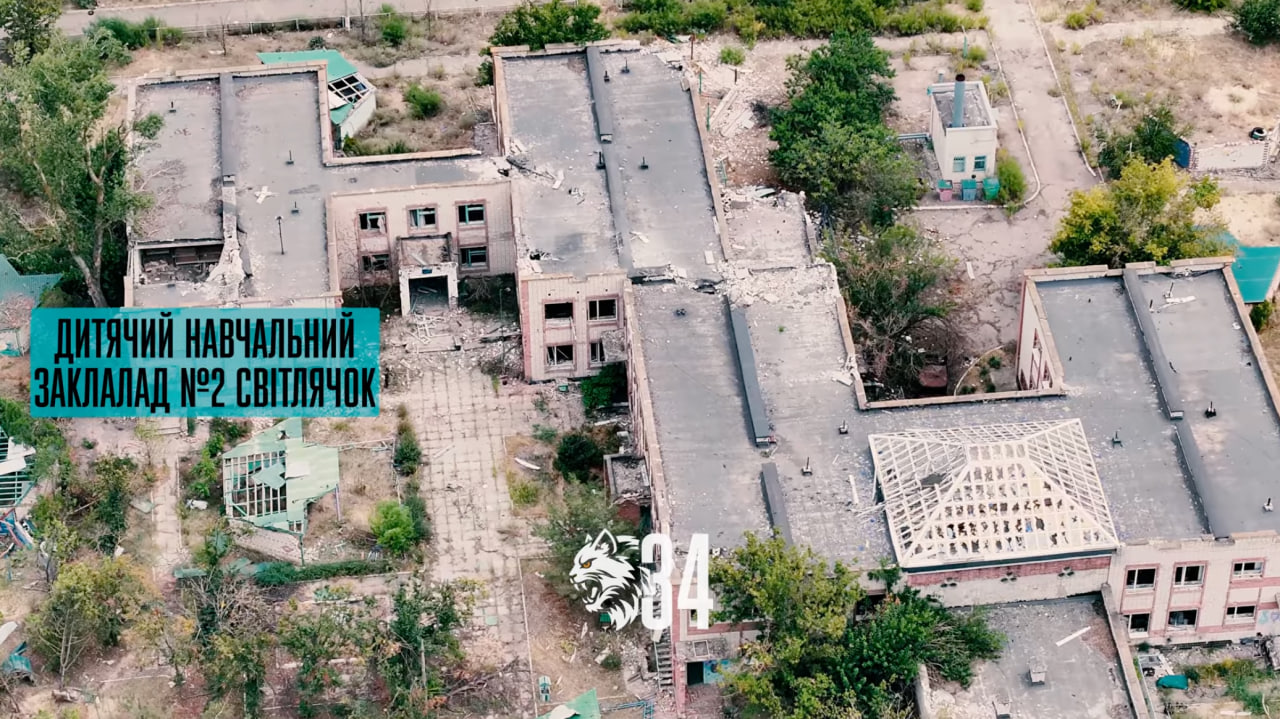
Conditions have deteriorated significantly since then. Food and medicine are running out. “People may have to eat bark from the trees,” she says. Arkhipova notes that by August many people in Oleshky already had nothing to eat. Summer has ended, and the meagre amount of produce residents managed to grow in their gardens is nearly gone.
A kilogram of onions or potatoes now costs 1,000 roubles (500 hryvnias) in Oleshky, while ten eggs cost 1,500 roubles (800 hryvnias). “There is real hunger there. People are begging to be evacuated, but getting them out is impossible,” Arkhipova says.
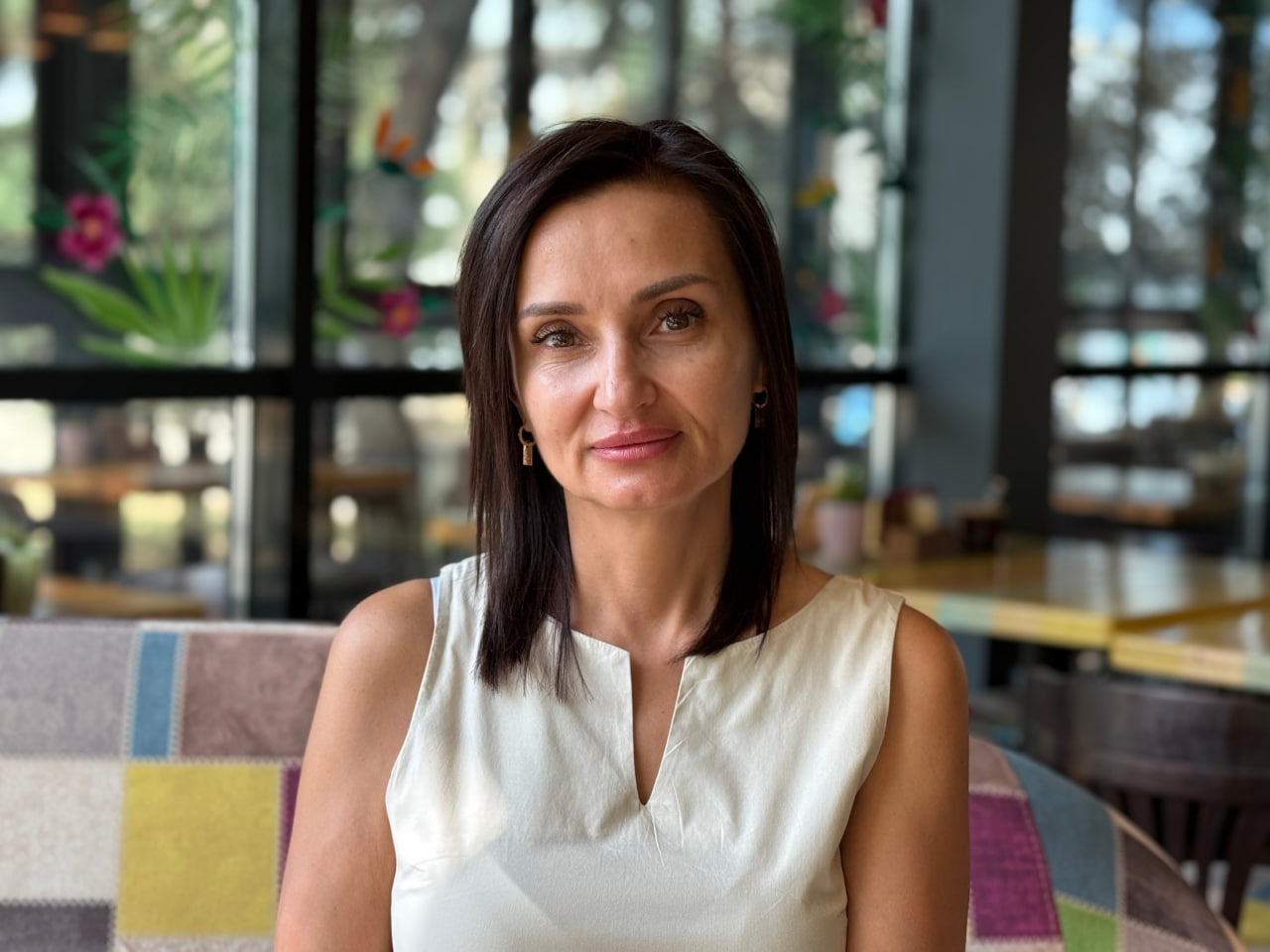
Tetiana Hasanenko, head of the Oleshky City Military Administration, adds that a blister pack of Citramon, one of the most basic painkillers, costs 1,000 roubles (500 hryvnias) in the blockaded city. A kilogram of salt or sugar costs the same.
“Money has no real value there because almost no one is selling anything. People survive through barter. Someone might trade 2.5 kilograms of sugar for ten eggs—it depends on the arrangement. They dig through cellars that were flooded after the destruction of the Kakhovka dam, looking for home-preserved food. People from Oleshky recently told me they had made soup from courgettes, one of the few vegetables available there over the summer, together with one tomato and two eggs. There is a severe shortage of potatoes, flour, and meat. People are looking for information about which plants growing there are safe to eat,” Hasanenko says.
Residents of Oleshky occasionally manage to trade or buy something at an improvised market, but it is often completely empty.
An Oleshky resident whose name is being withheld for security reasons says that her relative met an elderly woman returning from the market this summer:
“The old woman called out to her: ‘My dear, I’m coming back from there, but there’s nothing at all. Might you have some grain to give me—even half a kilo?’ My relative gave her potatoes, grain, and pasta. The woman took out 50 roubles (25 hryvnias) in return, but my relative refused to accept the money. The grateful woman kept thanking and blessing her for a long time.”
Hasanenko says Russian soldiers are also short of food, so they steal residents’ remaining supplies. One Oleshky resident told her that his food was taken from his home during the twenty minutes he was away.
Conditions have also deteriorated sharply in neighbouring Hola Prystan, which is blockaded as well. Before Russia’s full-scale invasion, the town had around 14,000 residents; fewer than two thousand remain. The only minibus service from Hola Prystan to Zaliznyi Port stopped running in August, says Svitlana Linnyk, head of the Hola Prystan City Military Administration. According to her, those still in Hola Prystan are mainly elderly people and men of military age who are afraid to pass through occupation checkpoints. Their wives and children therefore often remain in the blockaded city as well.
Linnyk says she constantly urges her fellow residents through both official and unofficial channels to leave the occupied community at the first opportunity. Yet she managed to persuade even her own relatives to leave only this year. “In some families, it leads to arguments,” she says. “Children beg their parents to leave Hola Prystan and are ready to arrange everything, but the parents refuse: ‘Who would we leave the twenty dogs and twenty cats that have taken shelter with us to?’”
Repression under occupation continues
Despite the rapidly worsening humanitarian situation, the occupation authorities continued repressing civilians throughout the summer. They are primarily searching for people with relatives in the Armed Forces of Ukraine. Kseniia Arkhipova, who remains in regular contact with Oleshky residents, says Russian soldiers conduct raids, abduct people, and torture them. Those whose close relatives serve in the Ukrainian military are at particular risk. Arkhipova recalls what happened to one of her acquaintances, whose name she withholds for security reasons.
“He shot himself because of Russian blackmail. Officers of Russia’s Federal Security Service identified his parents in the temporarily occupied part of Kherson Oblast, then sent their son a message threatening to rape and shoot his mother unless he gave them the coordinates of his location. He could not endure it and took his own life,” Arkhipova says.
According to the volunteer, men of military age are trying to flee the occupied part of Kherson Oblast. Many have received summonses from Russian military recruitment offices. For now, despite enormous difficulties, they are still able to leave the occupied territories. Arkhipova fears, however, that it may soon be too late: “I don’t know how to get through to people under occupation and persuade them to leave without endangering themselves and their relatives—or, at the very least, to move somewhere else so they have a chance to survive.”
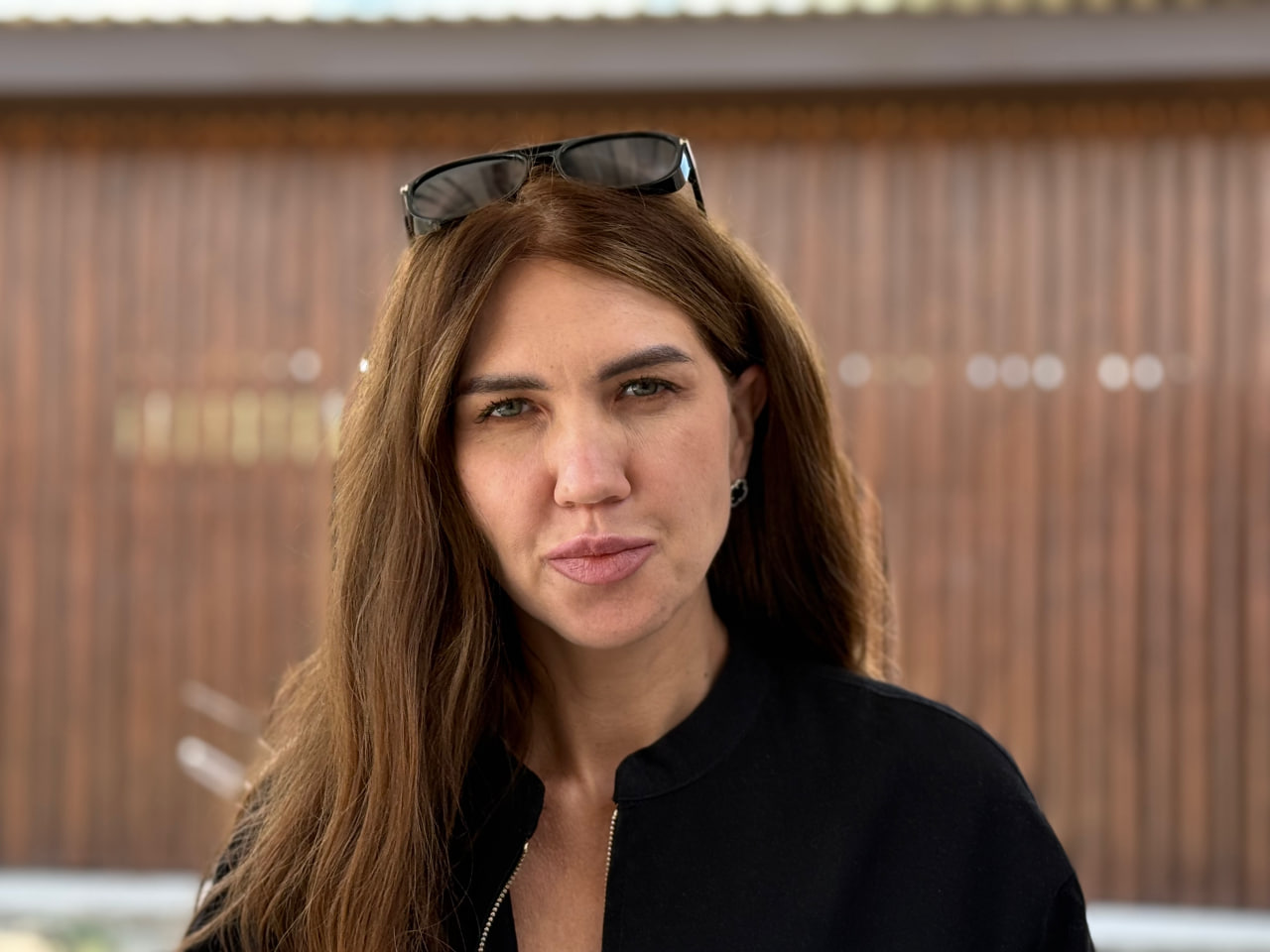
“Even starving dogs refuse much of the food—they want human flesh”
Kseniia fears that people in Oleshky are effectively condemned to death—if not from hunger, mines, or drones, then from shelling or the winter cold. She recalls that some elderly residents did not survive the previous winter because there was no heating. Temperatures in their flats did not rise above 2–5°C. Local officials say people have already died of cold and hunger in Hola Prystan as well. But people in the blockaded cities are dying for other reasons too.
“Men often take their own lives. Some hang themselves; others shoot themselves. They cannot bear it: there is no work, no life, nothing. All the bodies are taken to the seized Hola Prystan city hall, which has been turned into a morgue. They remain there for months because obtaining a death certificate and burial permit is extremely difficult. Burying anyone in the cemetery is altogether impossible: the road is mined, and civilians there are hunted by drones. There is no transport, either—the Russians have destroyed almost every civilian vehicle. Since early 2025, they have been conducting a safari against civilian cars, firing at them relentlessly,” says Svitlana Linnyk, head of the Hola Prystan City Military Administration.
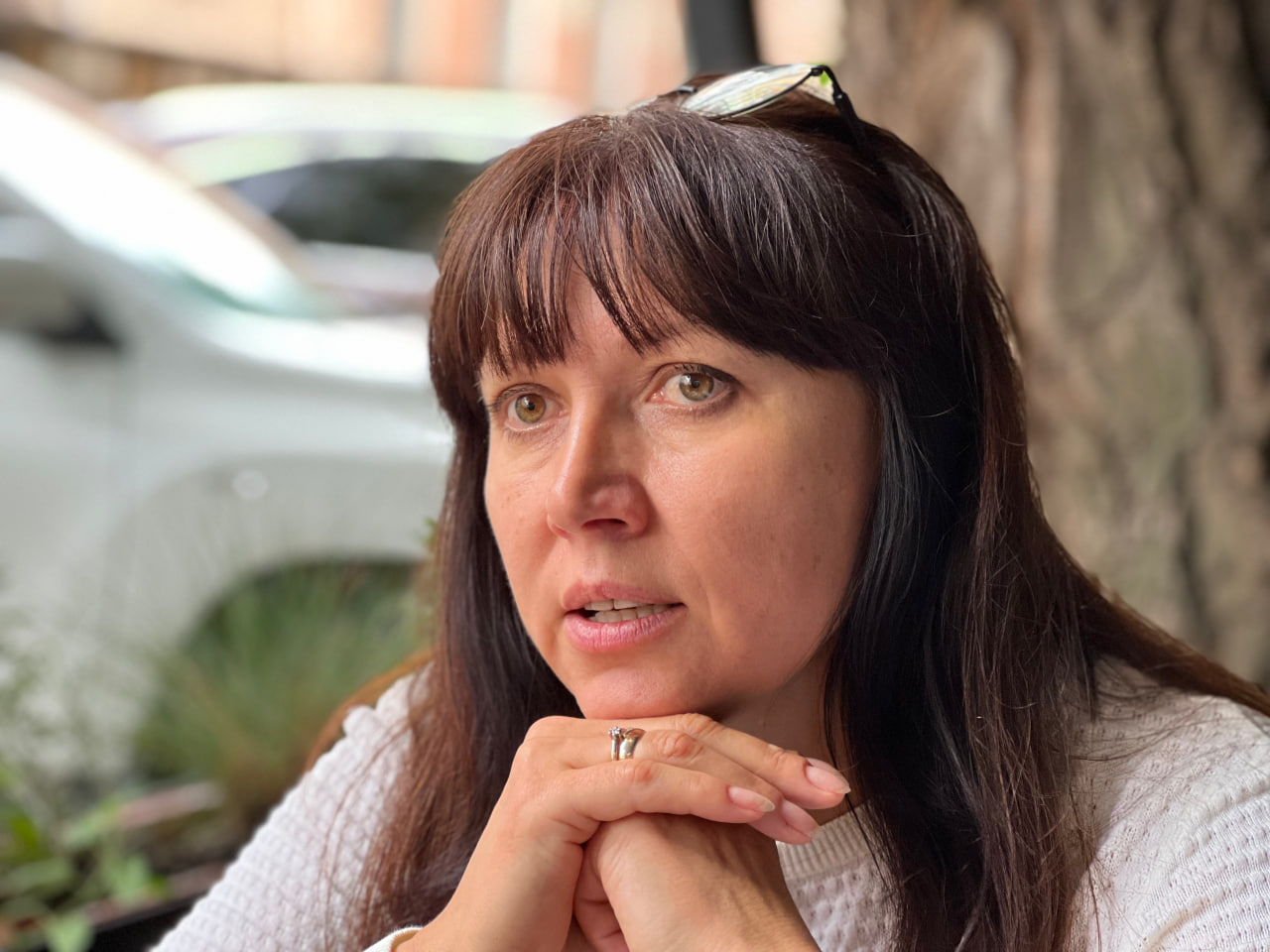
Tetiana Hasanenko, a representative of Ukraine’s local authorities, also describes an overcrowded morgue in Oleshky, though it can hardly be called a proper one: the basements of the city hospital have been adapted for the purpose. According to unconfirmed information from the local military administration, around one hundred bodies may be held there. Some have been there since winter.
The women interviewed say that if someone dies outside a hospital, relatives are required to transport the body themselves to Kalanchak, a settlement in neighbouring Skadovsk district almost seventy kilometres from Oleshky. The nearest occupation-appointed forensic examiner works there. Without that examiner’s conclusion, the Russians will not issue a burial permit for anyone who dies outside a hospital. After the examination, occupation officials return the body wrapped in plastic, and relatives bury it without a coffin in a pit about one metre deep.
“Dogs can easily dig up these graves and drag away pieces of bodies. It is horrific. Human life is worth nothing here. Bodies can lie in the streets for weeks, and no one collects them because of constant drone attacks and shelling that often does not stop for a single minute,” says Liudmyla Berezka, an Oleshky resident.
Hasanenko confirms this, recalling a woman in Solontsi who found what remained of her husband’s body. She gathered the remains, buried them in a pit, and went to Kalanchak for a death certificate. Officials there told her to dig up the body and bring it to them herself for a so-called examination. Otherwise, she could not receive the certificate.
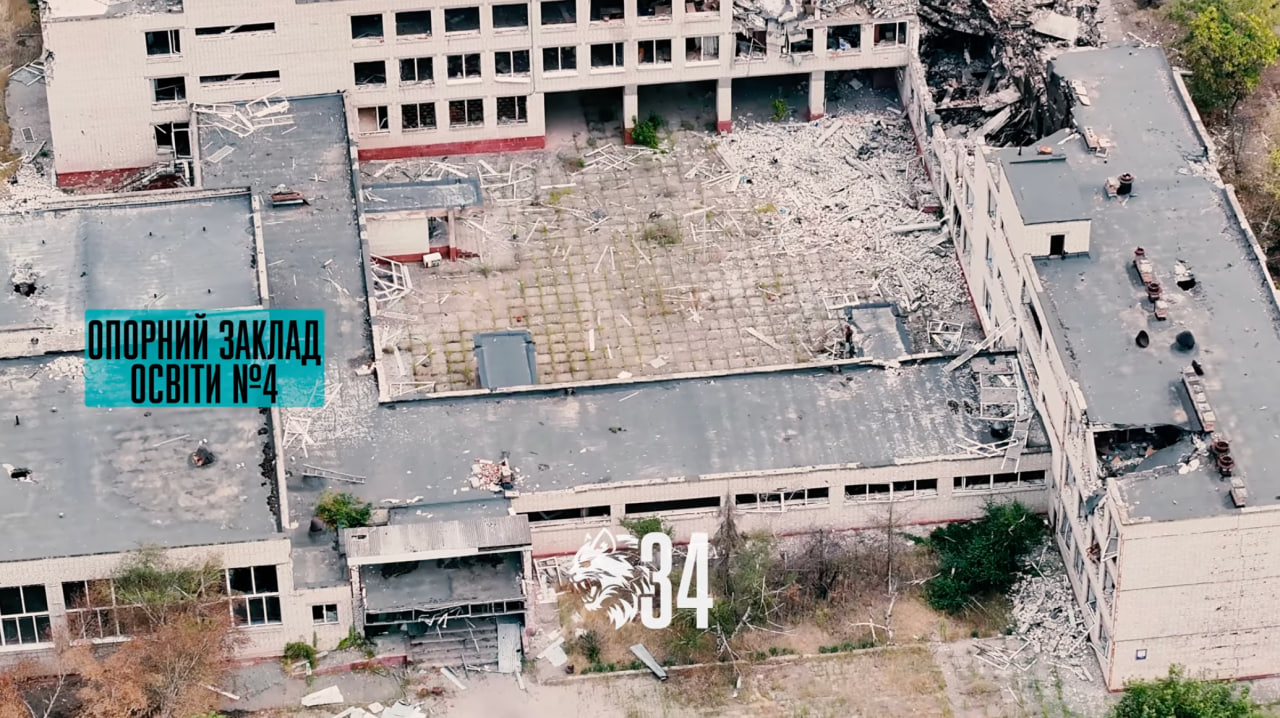
“Death follows people literally everywhere in Oleshky. You can be talking to a neighbour outside your home, then come out fifteen minutes later and see his intestines hanging on the fence. Even the starving dogs in Oleshky refuse much of the food. They want human flesh now because they have become accustomed to it,” Hasanenko says.
According to her information, the occupation-run hospital in Oleshky is in its final days of operation. It was scheduled to close on September 11, but as of September 15 it was still open. “There is almost no medicine left. About the only thing the doctors can do is stop bleeding,” she says.
Despite the horror in Oleshky, which had a pre-invasion population of 24,000, estimates suggest that between one thousand and four thousand people remain. Hasanenko considers approximately two thousand, including forty-seven children, to be the most realistic figure.
Across the whole Oleshky community, she says, between six thousand and seven thousand of the forty thousand people registered there at the start of the full-scale war may remain, including at least 180 children.
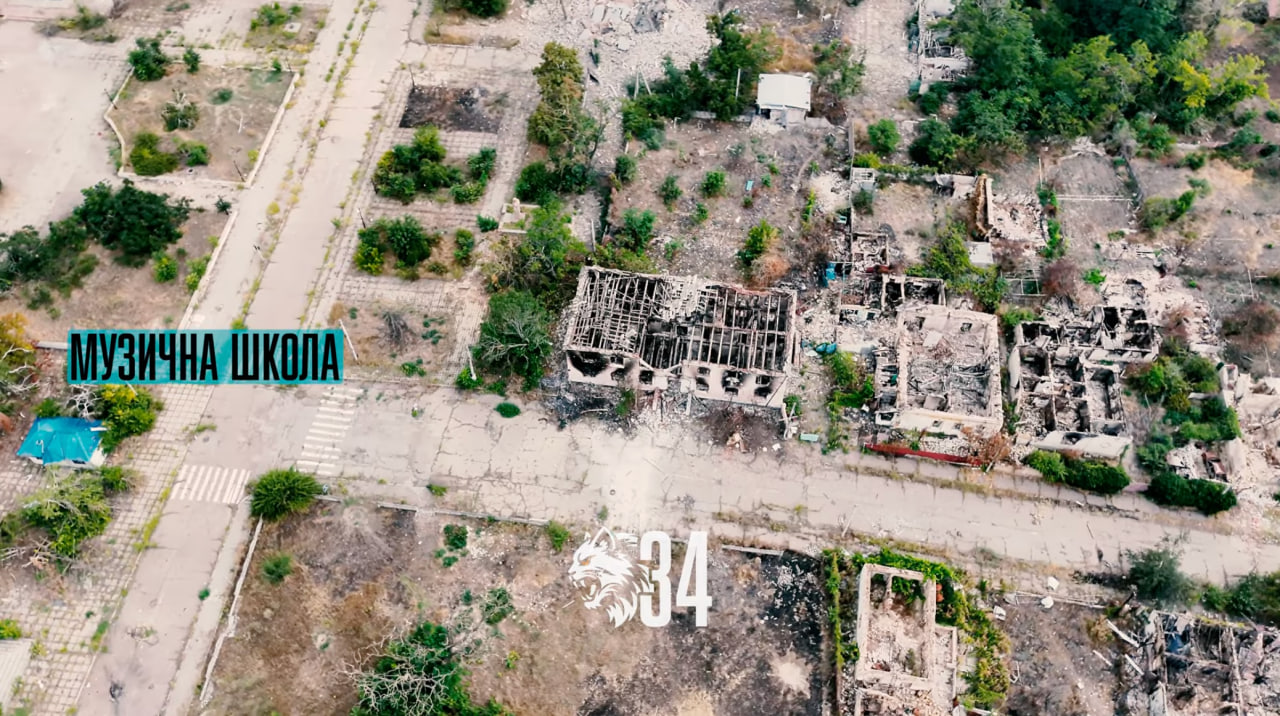
Life has also vanished from the neighbouring villages of Krynky, Pishchanivka, Pidstepne, Zaplava, and Sahy. All have been destroyed and have effectively ceased to exist. Ukrainian authorities say Kozachi Laheri, Solontsi, and Pidlisne are 80 per cent destroyed. The situation is similar in villages around Hola Prystan.
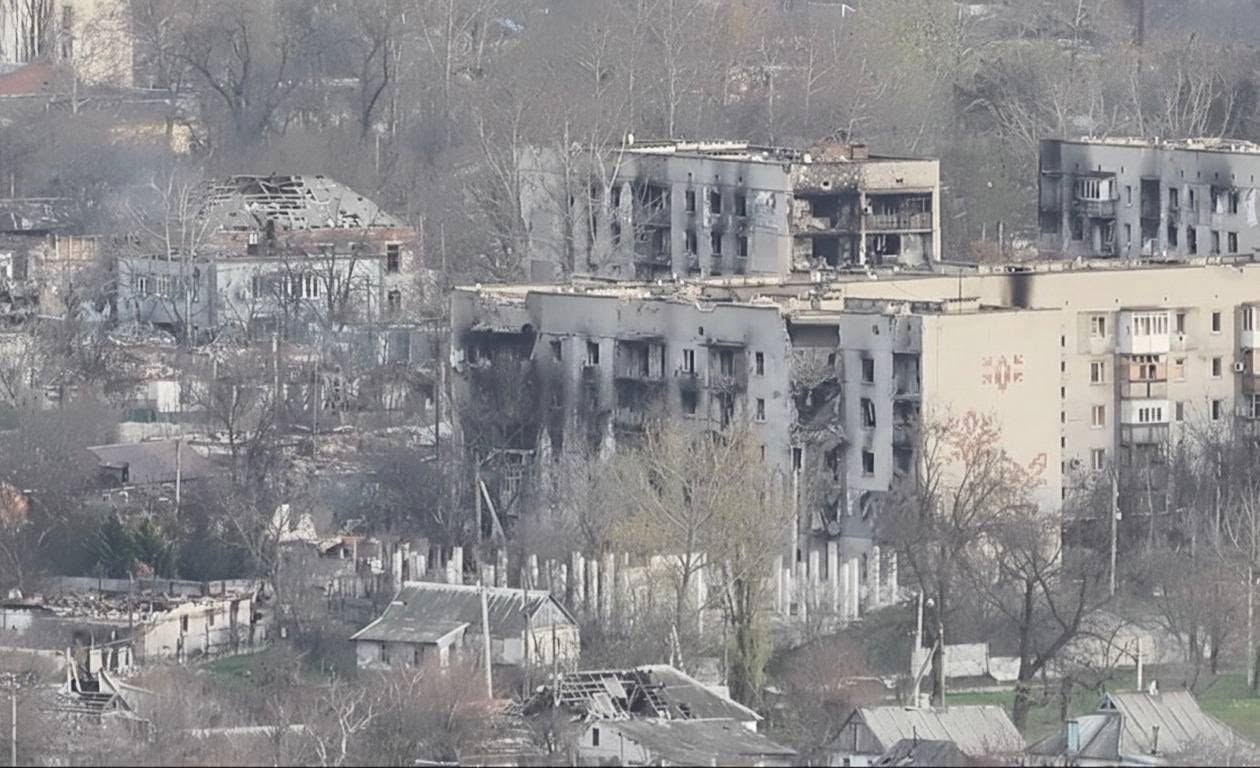
Volunteer Kseniia Arkhipova believes so many people remain in Oleshky and Hola Prystan because, unlike the safer rear-area towns of Henichesk, Skadovsk, or Novotroitske, they have had no occupation administration since it left in 2023. Only Russian soldiers remain. Residents of Oleshky therefore tell Kseniia: “We’ll wait just a little longer for our people.”
“We have been telling them for a long time to leave while evacuation was still possible,” Arkhipova says.
The representatives of the occupied communities’ legitimate local authorities and the volunteers interviewed all agree that the blockade was deliberately created. Its purpose is to use civilians as human shields.
“There is no place for civilians in war, because war is about seizing territory at any cost. That is why we have urged—and continue to urge—everyone who remains under occupation to leave at the first opportunity,” Hasanenko says.
Dmytro Lubinets, the Ukrainian Parliament Commissioner for Human Rights, said that Ukraine had agreed on a list of people to be evacuated from blockaded Oleshky and had completed the necessary coordination with Ukraine’s Security and Defence Forces to ensure a ceasefire during the humanitarian mission. He had also secured the support of the International Committee of the Red Cross, which was prepared to take part in the evacuation under its mandate.
Lubinets had previously proposed organising an official evacuation from Oleshky.
Ukrainian Foreign Minister Andrii Sybiha also called on the international community to secure access to Oleshky and evacuate its residents. He made the appeal in Kyiv several days ago, during a joint appearance with Monaco’s Minister of Foreign Affairs and Cooperation, Isabelle Berro-Amadeï.
However, despite the negotiations, the Russian side has for some time failed to confirm its readiness to establish a humanitarian corridor and evacuate residents.
According to Anna Mykytenko, a lawyer and international humanitarian law expert, because Oleshky is occupied territory, Russia, as the occupying power, is responsible for ensuring the provision of food and medical supplies, as well as adequate standards of hygiene and public health. These obligations are established in Articles 55 and 56 of the Fourth Geneva Convention.
“When the population is inadequately supplied, the occupying power must agree to relief schemes by impartial humanitarian organisations under Article 59 of the Fourth Geneva Convention. As we can see, Ukraine has repeatedly proposed a humanitarian operation to enable civilians to leave blockaded Oleshky. The Russian side has not given its consent or taken any other steps to improve the situation and therefore appears to be acting in violation of the relevant rules of international humanitarian law,” Mykytenko says.
Vasyl and Liudmyla Berezka also regret not leaving their hometown of Oleshky earlier.
“It was hard to just leave everything behind. Very hard. But we should have done it much earlier,” Vasyl Berezka says. “Yes, at my age it is very difficult to start life again from nothing. But we were not left without help. And most importantly, in free Ukraine we can breathe freely and speak freely. Above all, we are alive.”