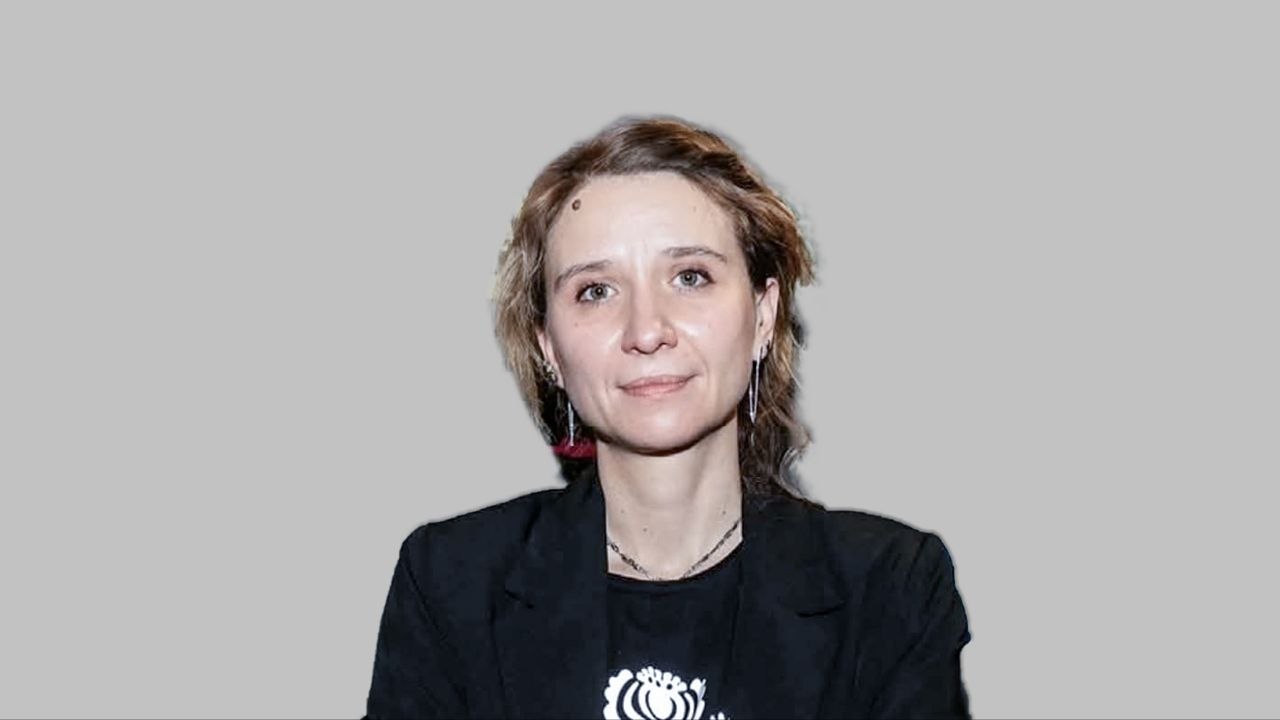
Martin Šimečka on Fico’s Evolution, Slovakia’s Blind Spots on Ukraine, and Václav Havel
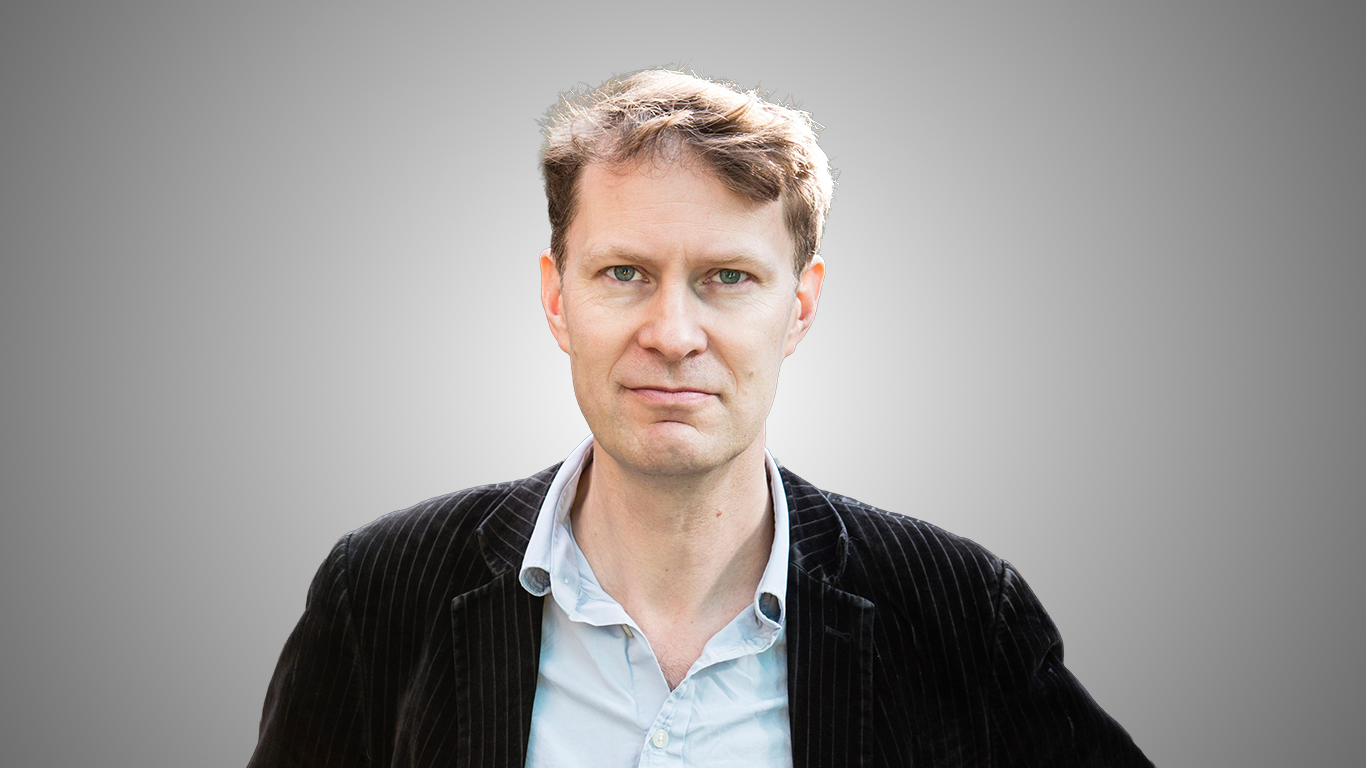
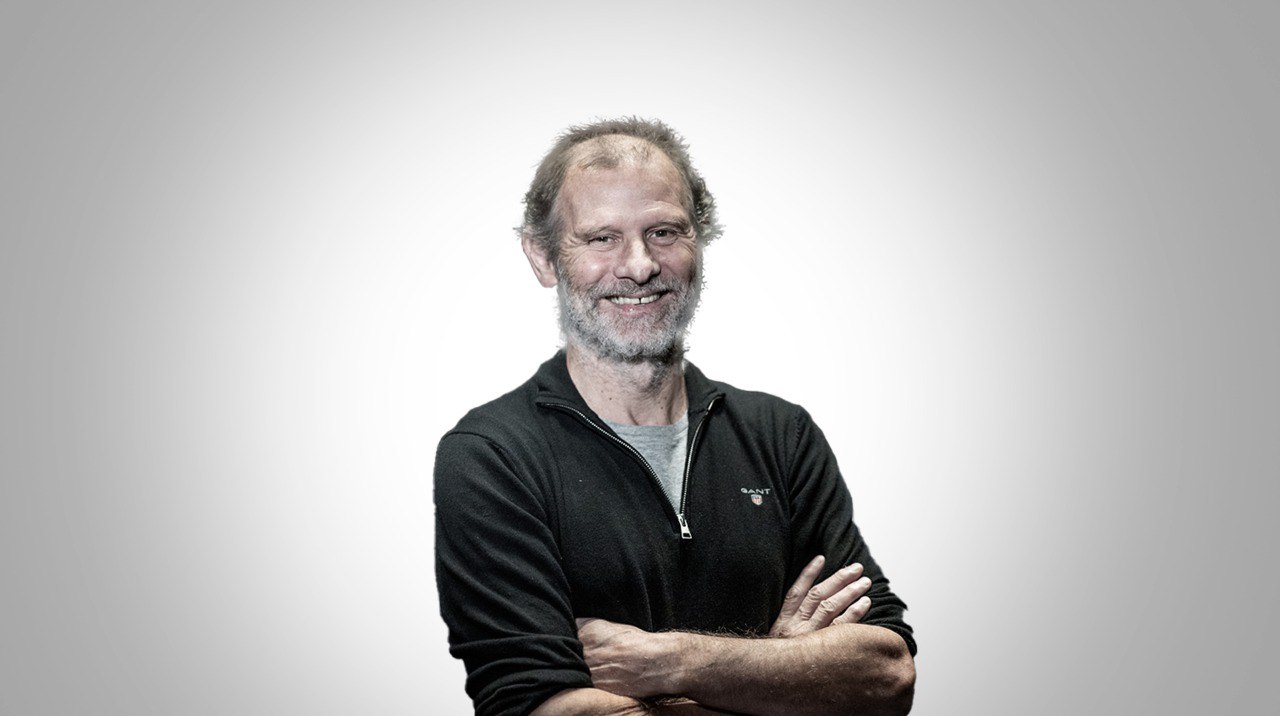
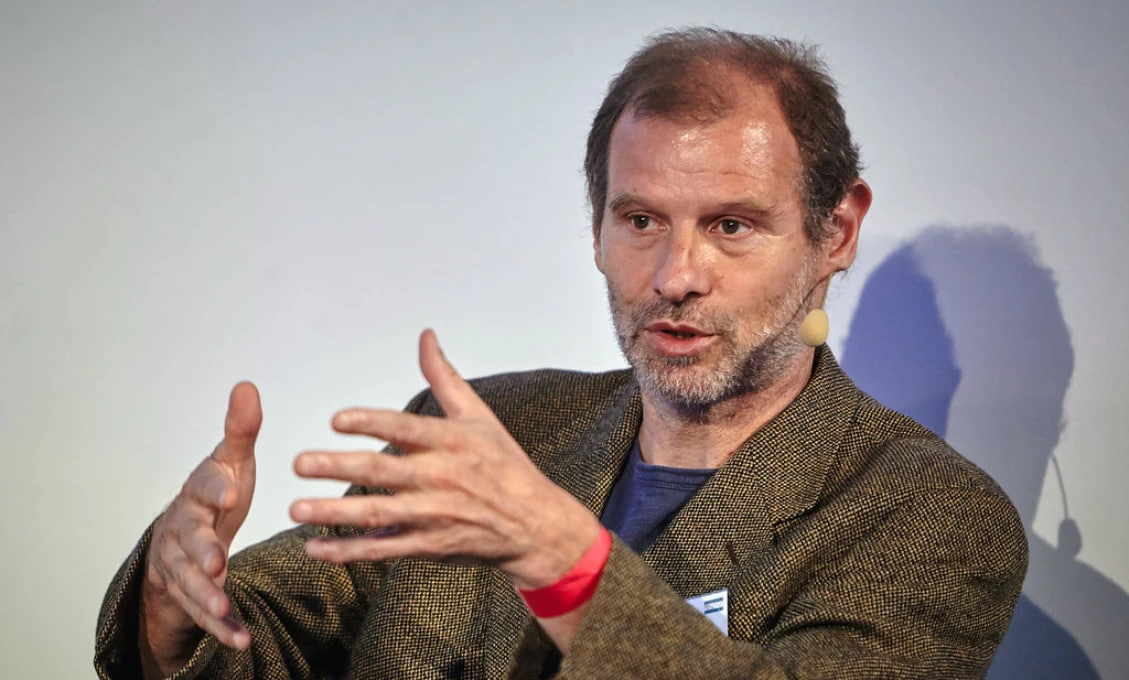
Slovak writer and journalist Martin Šimečka was born into a family of dissidents persecuted by the communist regime. In the early 1980s, the family had an opportunity to emigrate to the United States. After a family discussion, all its members unanimously decided to stay, despite repression and the absence of any real future in communist Czechoslovakia. Before the Velvet Revolution of 1989, Šimečka’s works circulated as samizdat. After democratic change and the peaceful dissolution of Czechoslovakia into the Czech Republic and Slovakia, he founded an independent publishing house. He later edited several major weeklies and newspapers. To this day, Šimečka has consciously chosen to live in Bratislava. He says he now feels shame over the actions of Robert Fico’s current government, particularly in relation to Ukraine. He estimates that roughly one third of Slovak society holds pro-Russian, fascist views. “A Slovak fascist is still closer to me than some Portuguese liberal intellectual,” Šimečka says. “At least I understand this fascist. I know where he comes from. I know his roots.”
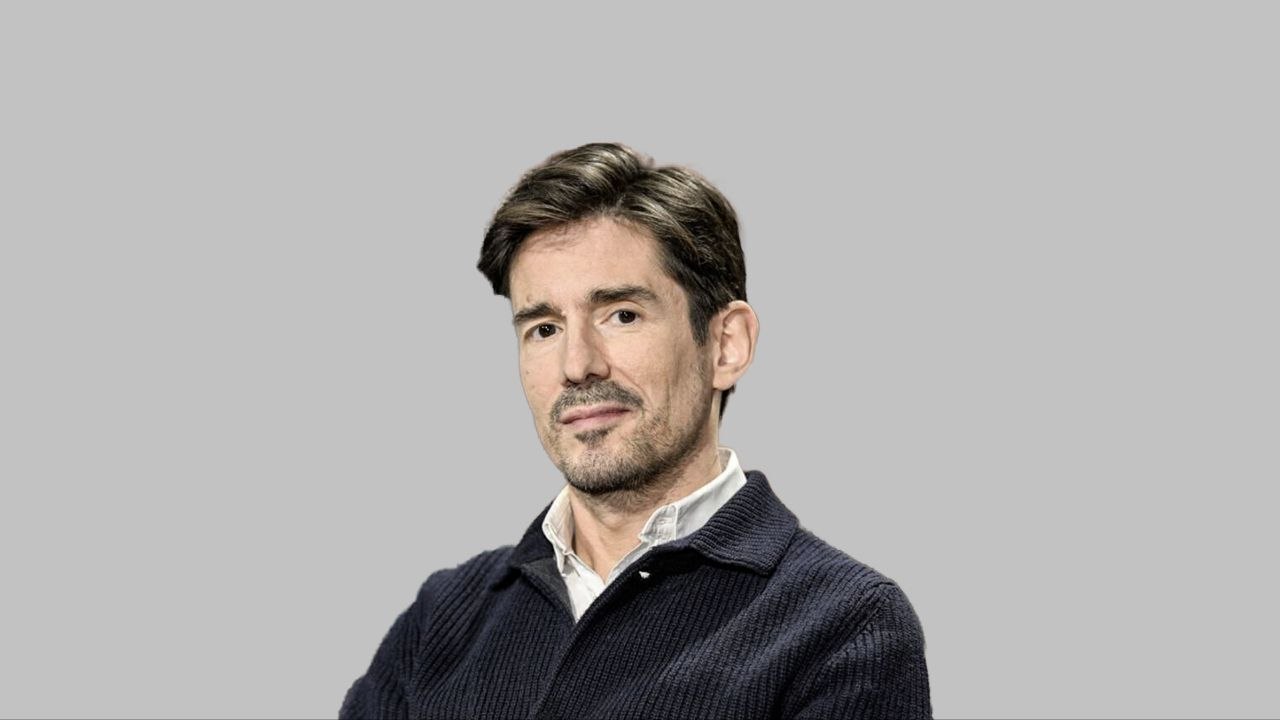
In the podcast When Everything Matters, journalist Nataliya Gumenyuk speaks with Martin Šimečka about how Robert Fico became a hostage of his own electorate, indifference as the greatest threat to societies, the importance of learning resistance, the relationship between Czechs and Slovaks, shame before Ukrainians, and his spiritual mentor, Václav Havel.



Martin, I’m very glad we’re having this conversation. I was recently in Slovakia — I don’t visit often and, to be honest, I don’t know your country very well. On the way there, I was reading your book Among Slovaks, and it really struck me. You write about indifference as the main ally of evil — the thing that allows it to spread. I’ve just returned from Syria, where I spoke with activists from eastern Aleppo, a part of the city that has been almost completely destroyed. They also speak about indifference: the East has been nearly wiped out, while the West remains intact. The only thing they ask for is recognition that the East suffered more. This affected me deeply, so I want to ask you: why is indifference, which seems to be one of the greatest threats to contemporary Europe, so dangerous?
This has troubled me my entire life. Under the communist regime, I saw people’s indifference to their own fate as a nation, and it was horrifying. Later, I came to understand that this is probably a natural reaction for most people — a lack of empathy for those they do not know. The same applies to the indifference of part of Slovak society towards Ukraine. For me, this is just as painful. More than that, some people even wish for Russia to win. Roughly a third of Slovak society thinks this way, and around 20 per cent openly want Russia to prevail. There is also the indifference of the West towards Eastern Europe. I remember very well how, in the early 1980s, Milan Kundera’s essay on Central Europe changed the attitudes of intellectuals and politicians. It was a powerful moral appeal not to forget that, historically and culturally, Eastern Europe is also part of Europe — and it worked. That is why I believe indifference can be changed, through pressure, through strong texts. My greatest fear is a self-satisfied West that for years refused to see Russian imperial policy for what it was. For a long time, I lived with the feeling that the West did not want to acknowledge the real threat posed by Russia. Paradoxically, after the annexation of Crimea, I even felt a sense of relief: there was a feeling that the West had finally woken up and was no longer indifferent to Ukraine’s fate, or to Russia as an enemy. At the same time, there is so much suffering in the world that people are simply incapable of empathising with everything — there is not enough space for it in their hearts. I do not justify this indifference, but it is a sad and very real logic of the world.
Your father was a Czech dissident, your mother is Slovak, you yourself are Slovak and live in Bratislava. For Ukraine, Slovakia is an important neighbour, yet our interaction remains limited. You often explain the differences between Czech and Slovak societies, so let me ask you to summarise: why does Slovakia have a politician like Robert Fico? Especially given that the previous government provided substantial assistance to Ukraine. Ukrainians still struggle to understand this shift.
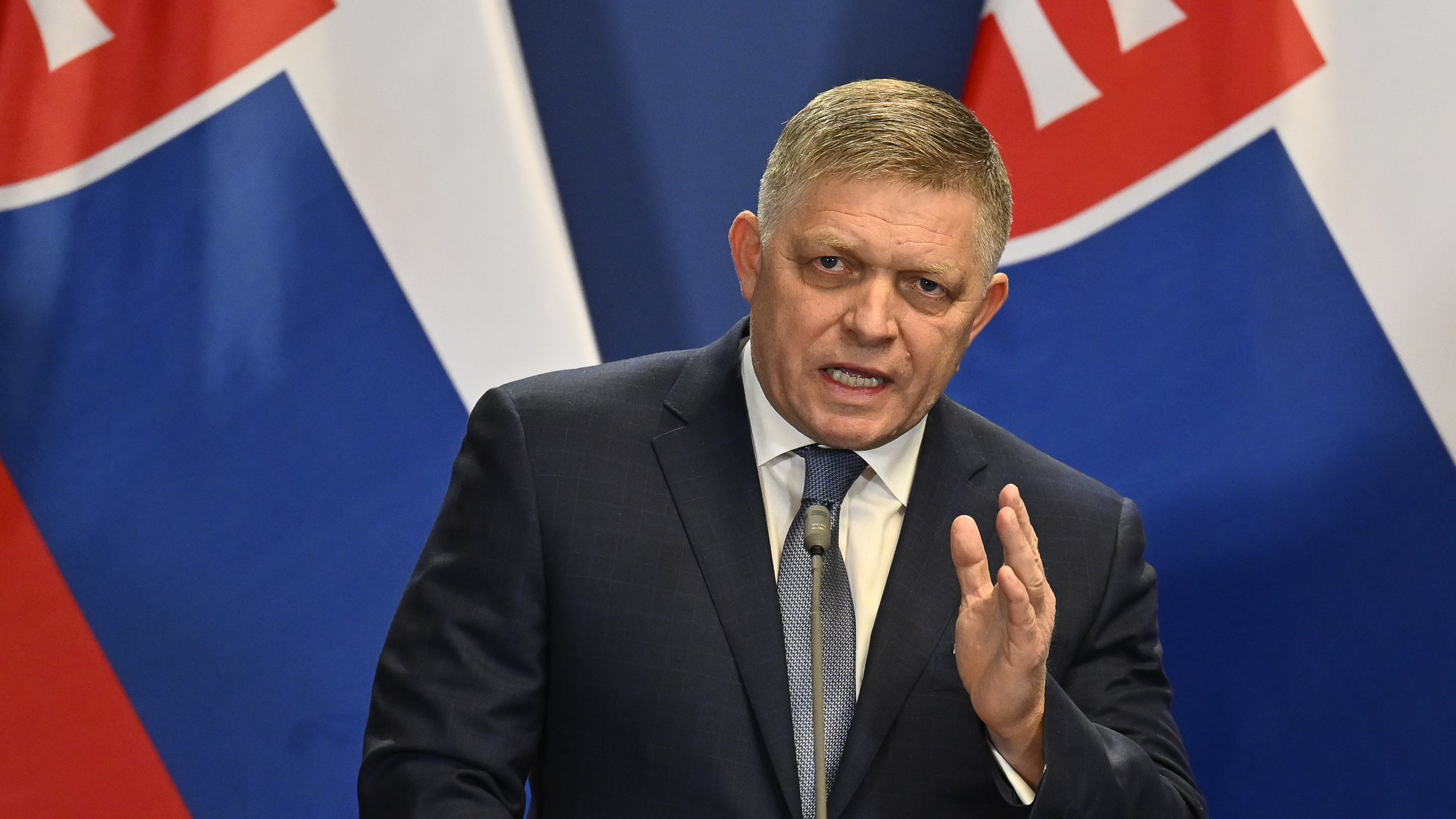
Yes, that is true. Robert Fico has been in power, with interruptions, for roughly fifteen years. He was a very talented populist, but over time he transformed into an autocrat with pro-Russian rhetoric. Two years ago, he realised that in order to win elections he needed to change his electorate. Moderate voters moved towards the democratic opposition, and during the pandemic Fico placed his bet on anti-vaccine groups, radicalising the pro-Russian segment of society. It was a pragmatic choice. Historically, roughly a third of Slovak society has been more pro-Russian for various reasons. Fico exploited this electorate, deliberately cultivating hatred — first towards vaccination, then towards the European Union and Ukraine — and eventually became a hostage of these voters himself. Now he is forced to remain pro-Russian, because that is what his electorate expects of him. It is a tragedy for the country, but this is the logic of his behaviour. At the same time, Fico is not an exact copy of Viktor Orbán. He does not block sanctions, Slovakia produces and sells weapons to Ukraine, and he understands very well that Slovakia depends on the EU more than Hungary does. He has no clear ideology — only pragmatic cynicism and fear of losing power. His government is weak, and his attempts at autocracy have so far not been very successful. In theory, he could change his position, but politically he no longer can.
Why do you speak of a long-standing tradition of pro-Russian sentiment in Slovakia? This is not a universal phenomenon — for instance, in Poland even far-right movements remain clearly anti-Russian. What shapes this electorate in Slovakia?
There are several reasons for this. The first is historical. In the nineteenth century, part of the Slovak national intelligentsia was openly pro-Russian. They embraced the Slavic idea and saw Russia as an ally against the Hungarians, while not recognising the existence of Ukraine. This sentiment left a trace in collective memory. The second reason — and a far more important one — is connected to the experience of communism. Unlike in the Czech lands, the final decades of the regime in Slovakia were associated with a rising standard of living. The country was poor, and the Soviet period is remembered for industrialisation and economic development. As a result, part of society, especially older generations, retained the feeling that material life was better under Russian presence. In the Czech Republic, the occupation was perceived far more acutely — without this compensatory effect. The third reason is contemporary Russian influence through disinformation. Slovakia has significantly more alternative websites and disinformation networks than the Czech Republic, and the Russian embassy plays a much more visible role in this ecosystem. As a result, around 30 per cent of Slovaks in one form or another sympathise with Russia, whereas in the Czech Republic the figure is closer to 5–10 per cent. At the same time, it is important to understand that the majority of Slovaks are pro-European and pro-Western, and they are aware that Russia is an enemy. Today, Fico governs the country effectively against the will of the majority of society.
For my generation, Czechoslovakia is living memory; today, it is two separate states. From the outside, their relationship looks unique — without hostility, more like that between close relatives or friends. This contrasts with the experience of many other countries that fell into conflict after separation. In your writing, you often compare Slovak society with Czech society and are quite critical of Slovakia. You argue that, unlike in the Czech Republic, where people have historically defended their rights more actively, Slovaks lack traditions of open resistance. At the same time, you note that such examples have begun to emerge in Slovakia in recent years. Could you explain this? And how would you describe the current relationship between the Czech Republic and Slovakia, as well as the key political differences between the two societies?
There is research showing that among all EU countries, Czechs and Slovaks are closer to each other than any other two nations in Europe. One might mention Swedes and Finns, but nowhere else does such a level of closeness exist. We are still connected through family ties, mixed families, and a shared historical — even romantic — tradition. This bond stretches back to the nineteenth century and remains alive today. At the same time, Slovaks have always carried a sense that Czechs were “above” them — larger, more developed, with a stronger economy and industry. This produced resentment, especially during the First Czechoslovak Republic and under communism, when Czechs often behaved towards Slovaks in a somewhat colonial manner, albeit under the banner of “assistance” and modernisation. After the dissolution of Czechoslovakia, this dynamic disappeared. Slovakia was forced to develop independently, and this changed many things. Today, the situation is more complicated at the level of governments. Shifting political courses — from the Heger government to Fico, alongside changes in the Czech Republic — have led to tensions, particularly over positions on Ukraine and Russia. Many Czechs were shocked by the stance of the current Slovak government and by polling data showing that roughly a third of Slovaks sympathise with Russia. They suddenly realised that the Slovak nation differed from the image they had previously held. This is true: our nations are very different — historically, in character, culture and religion. Slovaks are Catholics; Czechs are largely atheists. I know this well, because in a sense I am bilingual: my parents were Czech. Many Czechs still consider me Czech — my Czech is as fluent as my Slovak. I often criticise Czechs as well, because they are very self-focused and frequently convinced of their own exceptionalism. Slovaks’ attitude towards themselves is far more realistic. These are different mentalities, and one could speak about this at length. Yet despite all these differences, relations between Czechs and Slovaks remain unique. Our nations have never fought each other, and the breakup of Czechoslovakia was peaceful and non-violent. Slovakia was never occupied by the Czech Republic. That is why these relations cannot be compared, for example, with the history of Ukrainian–Russian relations.
I was recently in Bratislava at the Impact Summit. On stage were large portraits of prominent figures — Věra Čáslavská, who lowered her eyes during the Soviet anthem after the invasion of Prague and was persecuted for it, and Anton Srholec, a dissident who dedicated his life to helping the homeless. Looking at these faces while speaking about Russia’s war against Ukraine, I felt a strange sense of historical parallelism. When you see how difficult it is today to openly express dissent in Russia, while at the same time we speak about shrinking political freedoms in Slovakia, it becomes clear that societies can slide back into very dangerous states. How do you assess this turn? Is history really not a linear movement forward? What should we do to prevent this?
Věra Čáslavská, whom you mentioned, was Czech rather than Slovak, and it was the Czechs who were especially proud of her. As for Slovak heroes, there are indeed very few. In Slovak history, most of those who resisted were defeated. Their stories often ended tragically, and sometimes society itself turned away from them. As a result, our tradition of heroism is very weak. At the same time, something else strikes me — and gives me a certain sense of hope. The Slovak nation as an independent political entity has existed for only about 35 years, and for just as long it has been fully responsible for its own fate. In fact, we are witnessing the process of nation-building live. The current government is genuinely dangerous and is attempting to dismantle democratic institutions. But I have been pleasantly surprised by how strong the resistance has turned out to be — far stronger than I expected. This is visible across many areas: culture, the judiciary, and civil society. Judges are showing courage that is not typical of Slovak tradition. The same applies to police officers now being punished for past integrity, and to many activists. Against this backdrop, the situation in the United States shocks me. American society is far less prepared for authoritarian challenges than Slovak society. Resistance there is weak: major law firms, universities and influential institutions are trying to adapt and submit to Trump. Oligarchs are easy to understand — they are motivated by money. But why are those who should be the backbone of democracy remaining silent and adapting?
It seems to me that resistance has to be learned. Slovaks have such experience. In the 1990s, we already had a populist leader, Vladimír Mečiar, who attempted to build an autocracy. This memory is still alive — it is remembered both by those who resisted at the time and by their children. This is what helps today. Americans, by contrast, have almost no such experience. They have never been forced to seriously defend democracy by sacrificing careers, money or status. America lived for a long time with the conviction that its freedom was not under threat, and has now fallen into the trap of its own lack of historical experience. The lesson that Eastern Europe absorbed over decades, the United States is only beginning to learn. This reminds me of a conversation with the Syrian activist Marcel Shehvaro, who now lives in New York. She said she could easily name a hundred people among her acquaintances in Syria who would be ready to go to prison for their beliefs. In the United States, she could not name a single one — even though American prisons cannot be compared to Assad’s jails, and people would have access to lawyers. This makes one think. Perhaps this is a generational issue. The civil rights movements in the US took place in the 1950s and 60s — this is no longer the lived experience of today’s generations. Do you think this generation — not only in the US, but also in parts of Europe — has lost an understanding of how to fight? What could shift this state of affairs?
Yes, I agree with you. History can be studied from books, but let us be realistic — how many people actually read them? Most people learn only through their own experience. If you look at Germany or France today, there is a significant amount of resistance — against Alternative for Germany or Marine Le Pen. Of course, protesting against AfD does not mean risking prison. But it is at least a first step towards understanding that preserving freedom requires action. It is extremely difficult to explain to someone living in a Western democracy with stable institutions what it means to be internally prepared to sacrifice freedom, or even to go to prison. This is not about a specific act, but about mental readiness. This is precisely the experience the West lacks. Those of us in Eastern Europe know very well that freedom is not a given, and that sometimes its price is extremely high.
How do you explain this? How do you try to convey this experience? What arguments do you use?
This is precisely the problem — my arguments almost never work. I try to explain our experience, but in Western Europe the value placed on life and personal freedom is so high that people find it difficult even to imagine sacrificing something for them, or consciously becoming poorer. So I put it very simply: if you do not accept that freedom has a price, you will never truly understand it. Then you will have to learn this lesson through your own experience. I have many friends in Europe, and some of them do understand this — but they are the exception. In general, society demonstrates indifference to the suffering of others. People sincerely admire Ukrainians — and this is true — but they cannot imagine acting in the same way themselves. They simply do not think in these terms and have no such experience. I fear that until they are forced to learn this lesson on their own skin, nothing will change. I can only hope that this experience will not be too severe. One can fight for freedom even under repression, but I would like the price not to be unbearably painful. As for Slovakia, this is exactly how it has worked for us. Twenty-five years ago, and today as well, most of those who resist risk not so much imprisonment as their jobs, their safety, pressure, threats, and sometimes visits from the police. Actual prison sentences are rare, but even under these milder conditions people learn the main lesson: freedom is never free.
You once wrote that one can often tell from a doctor’s face who takes bribes, but it is almost impossible to know which patients give them. I would like to expand this idea to societies as a whole. I belong to those who insist that people should not be only private individuals, but also active citizens. This is where I see one of Ukraine’s greatest hopes. Despite war, crises and trauma, Ukrainian society is forced to participate in collective life. Some serve in the army, others volunteer, donate, support their communities. People give something — and this is precisely why they develop expectations towards the state and society. This creates relationships of shared responsibility and prevents indifference. At the same time, I understand that I cannot expect heroism from everyone. Where, for you, does the line lie between this understanding and the minimum level of civic responsibility we can demand from people?
First of all, I want to say that I have followed the corruption scandal in Ukraine — the so-called “Mindichgate” — very closely. My impression is that Ukrainians are moving in a direction that makes it possible to fight corruption effectively. This will not happen quickly, of course, but the direction is the right one. In general, people hate corruption, but most adapt to it once it becomes part of everyday reality. It is important here to distinguish between two types of corruption. One of them is the situation in which you go to a doctor and are effectively trying to save your life. For most people, the choice in such a situation is obvious. Perhaps this is a somewhat naïve anthropological explanation. Slovaks, for example, hate corruption. We actually have quite good anti-corruption laws. The problem is that elites do not follow them. Yet a deep resistance to corruption — or at least a deep hatred of it — truly exists in the majority of society. And this is not only because, as you say, we expect services from the state because we pay taxes — unlike in Ukraine. And so the question arises: why does corruption still exist in Slovakia? I consider Slovakia to be a corrupt country — especially now, under this government. The level of corruption is enormous, and people are extremely angry. But something else constantly strikes me: in Hungary, corruption at the state level is far higher — simply colossal. And yet Hungarians hardly protest at all. It is difficult even to compare corruption in Hungary and Slovakia, because in Hungary it truly has a systemic, state-level character. In my view, the root of this lies in history. Hungarians lived for centuries in a kingdom where the king distributed “gifts” — land, estates, privileges — to those who served him. This created a kind of national habit: those who serve the king are rewarded. In this sense, Hungarians still perceive themselves less as citizens than as subjects. This is a historical tradition. Slovaks, by contrast, never had their own kingdom. They always lived as a peasant, plebeian society, where throughout our entire history not a single Slovak was truly wealthy. That is why people become deeply irritated when someone grows rich. In their eyes, that person does not deserve it and must have stolen the money. And most of the time, they are right. That is how I explain it. And how is it in Ukraine? From an economic point of view, we are a fairly egalitarian society, if viewed globally. Numerous wars and tragedies were major ruptures that destroyed accumulated wealth. Our elites were repeatedly wiped out: by the tsarist regime, the revolution, the Holodomor, and the Second World War. Serious inequality began to grow only in the last decade. After the turbulent 1990s, things gradually started to change. Now the war has once again erased much of what had been accumulated — some of our wealthy individuals have lost their capital as well. I sometimes joke, using rather dark humour, that we were lucky: Ukraine has never been “great.” That means we only have a future — there is no past to which we can return. There is sense in that. Slovakia, like Ukraine, is now effectively building its nation. You have an enormous opportunity. We Slovaks have one too, but we still need to realise it. There are only five million Slovaks — we are a very small country. And, frankly, in the past we barely paid attention to Ukraine until the war began. In the 1990s, almost nothing was known about Ukraine here; everyone looked to the West. In my view, Slovaks still do not fully understand what Ukraine is. Yet in recent years I have twice travelled to Ukraine to deliver ambulances to the front, and I had visited several times before that. Each time, I felt an extraordinary strength among Ukrainians, an extraordinary energy — especially when compared with Slovaks. I am absolutely convinced that once Ukraine achieves even a minimal peace that allows it to truly develop, Slovaks will simply fade into the background by comparison. We understand this. Incidentally, something similar happened with Poland. For a long time, Poland barely registered on the Slovak radar — we were looking elsewhere and treated Poles somewhat condescendingly. In the 1990s, Poles were poor small entrepreneurs and lived worse than we did. Under communism, they sometimes had almost nothing to eat. Now they are a large, strong and prosperous nation. In this sense, Slovaks behave irrationally. They fail to understand that they need Ukraine as their closest friend. Otherwise, you will simply move forward — and Slovakia will no longer matter. Fico is doing Slovaks a great disservice, because Ukrainians will not forget these years. I hope they will be able to forgive us if the government changes. At the same time, there are intelligent people in Slovakia who say: “We need Ukrainians. They are much bigger than us. We must be friends with them, do business together.” But overall, this is the typical foolishness of a small nation that does not fully understand its own interests — and the current government understands this least of all.
You once wrote about an incident at the passport office, where a clerk was genuinely surprised that you chose Slovak citizenship. You have also mentioned that in the turbulent 1990s, when political pressure was intense, you had many opportunities to leave for the West and stay there. Yet you chose to live in Bratislava. For you, this was a principled decision — to be present, to have the legitimacy to speak about this country, criticise it, and share its burden. Why was it so important for you to stay?
First of all, this is connected to the history of my family. And also to the fact that I am a writer. As a writer, I have to be here, because I want to write for this society and speak with it. I felt this especially acutely when I lived in Prague for several years and served as editor-in-chief of the weekly Respekt. That was when I realised I was losing a deep connection to Slovak society — and as a writer, I hated that feeling. The second reason is, again, my family’s history. In the 1980s, my father was imprisoned, and after his release the regime effectively offered us the chance to leave. An American university offered him a professorship, but the communists made it clear: if we left as a family, we would never be allowed to return. We held a family vote — my brother, my parents and I — and all of us decided to stay. It was 1982 or 1983, and there was virtually no future ahead of us. But I felt that if I left, I would abandon my friends here to face everything alone — and there would be no way back. I could not do that. This is not a condemnation of those who choose to leave their country. But my moral position was clear: I would not do it. Moreover, I hardly believe that an emigrant ever truly becomes part of a new society. One may speak the language perfectly, yet still remain an emigrant. I hate being an emigrant. I love being an active part of society. And in Slovakia, I am part of society — even though I live among fascists and openly call the government fascist. Today, roughly a third of Slovak society holds fascist views, but I consciously remain among them. I write about this in my book published a month ago, Extraordinary Times, or How to Live Well in Bad Times. The book is about building circles of friendship with people who share your values, and about how important it is to create such communities. It is about how to live in a society where a third are fascists — and what to do about it. I live among them and understand them, even though I find them repulsive. And yes, at times I am deeply disappointed and profoundly ashamed of my country — especially because of this government and its attitude towards Ukraine. Under the communist regime, there was no shame. I was a dissident, not part of the system. But democracy, even when it betrays you, remains yours. That is why this sense of shame today is so personal and so heavy — especially in relation to Ukrainians.
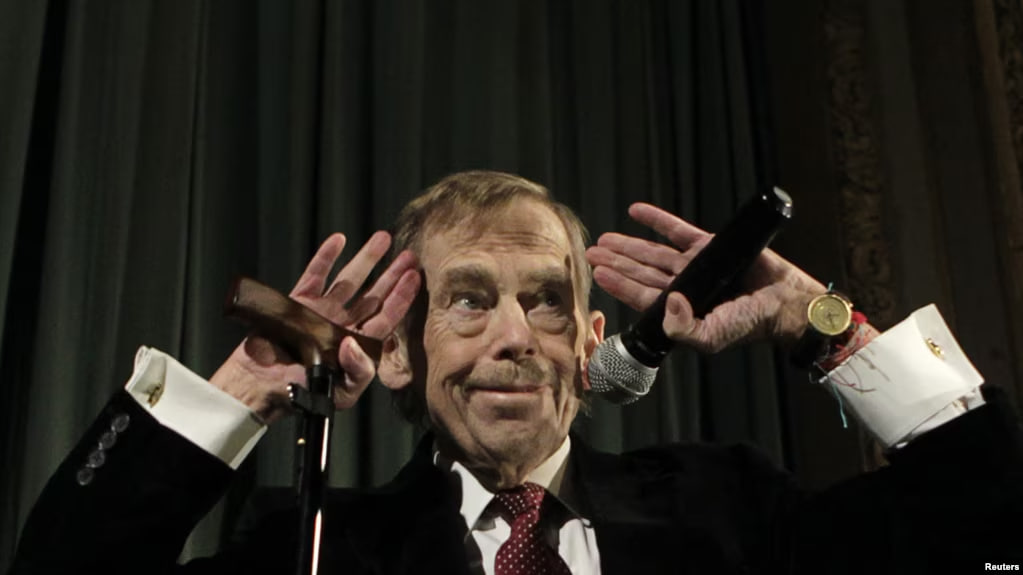
Unlike indifference or detachment, guilt and shame are part of a sense of responsibility. When you feel them, you believe you can influence something — and you actually do. You grew up among dissidents, including Václav Havel, whom you knew well. What made him so special? What did he have that is so lacking in politicians and societies today?
I think Václav Havel’s entire life was something of a miracle. Because of that, it often seems to us that there is no one like him today in politics or intellectual life. I do not entirely agree with this view, but I must admit that Havel was truly charismatic. He had a brilliant mind and an extraordinary sense of humour, and a completely unconventional way of thinking. His authority was also grounded in the sacrifice he made. He nearly died in prison. So what is needed is not only exceptional talent, but also courage, character and, above all, moral integrity — a willingness to pay even with one’s own life for the values one believes in. This is a rare combination. One can find brilliant intellectuals with unstable moral compasses, or very brave activists without a deep intellectual dimension. In Havel, all of this came together. That was his uniqueness. He remains a kind of spiritual father to me, and I often think of him.
My final question is about where Europe is heading today, at a time when the United States is effectively exerting pressure on it. For the first time in recent history, we see US defence policy sounding more sympathetic to America’s traditional adversaries. Do you think Europe is waking up, or is it still in a state of denial?
At times, I am deeply disappointed — honestly, almost every morning until I have had my coffee. But if I look more broadly, I am more of an optimist than a pessimist. I believe a process of realisation is underway. In this sense, the Russians are doing “good work” — they are forcing Europe to finally see the real danger. That is why I think Europe is waking up. For decades, we said that the generation which experienced the Second World War and created the European Union had passed away, and that newer generations had forgotten what war is. But a deeper instinct, and the lesson learned, still remain within today’s political generation. History is repeating itself, and freedom in Europe will have to be defended once again. Europeans understand that Ukraine is their greatest ally in this struggle. That is why I look at this with cautious optimism. Of course, I could be wrong. In that case, things will end very badly — especially for countries like Slovakia. If we fall under Russian influence, I will simply be shot. My son as well — he leads an opposition party. And yet I believe that the European Union and European politicians are aware of this threat and will try to act. Moreover, recent data show that people in the EU largely support the Union. This gives politicians significant public backing on which they can rely in defending Europe.
Martin, it was very important for me to speak with you. This has been both a warm and calming conversation. Thank you.
Thank you, Nataliya. I want to add one more thing. I have never felt such a deep connection with Ukrainians in my life. I could never have imagined that a nation would appear that I would admire as deeply as I admire you today. I know all the hardships you are facing, but please — do not think that all Slovaks are the same as Mr Fico.